Second Hand Parrot Cages for Sale: Best Happy Deals

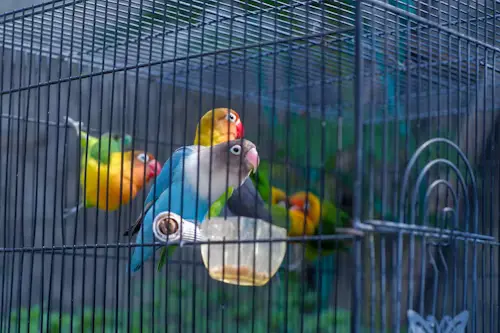
There’s something deeply rewarding about providing a wonderful home for your feathered companion, but the costs associated with proper parrot care can sometimes be overwhelming. You might be scrolling through countless wish lists of parrot cage size specifications, feeling discouraged by the price tags of brand-new options. I remember standing in a pet store years ago, staring at beautiful stainless steel cages that would require me to empty my savings account. That’s when I discovered the world of second hand parrot cages for sale—a decision that not only saved my wallet but also gave a retired macaw a second chance at a comfortable home.
In this comprehensive guide, we’ll explore everything you need to know about finding quality used parrot cages that will keep your bird safe and happy without breaking the bank. From evaluating safety to proper cleaning techniques, I’ll share my experience and research to help you make informed decisions for your feathered friend.
Table of Contents
Why Consider Second Hand Parrot Cages?
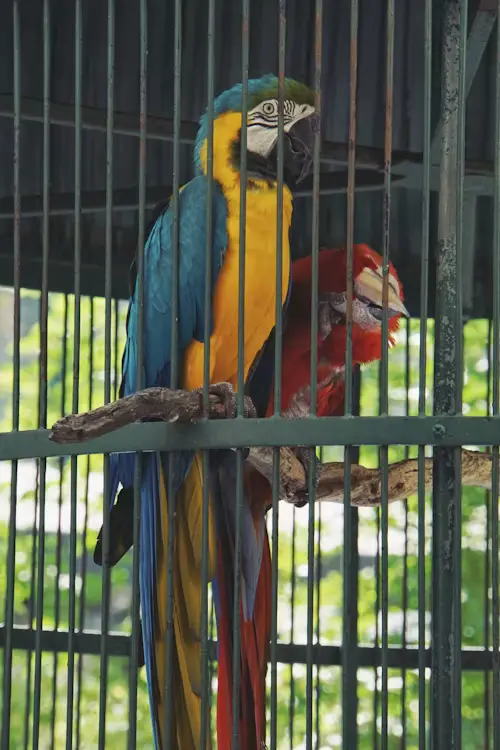
You might be wondering if buying used is truly the best option for your parrot. The reality is, there are several compelling reasons to consider second hand parrot cages for sale:
Financial Benefits
Let’s face it—high-quality parrot cages can be incredibly expensive. A new large parrot cage can cost anywhere from $300 to well over $2,000, depending on the size and material. By opting for used options, you can potentially save 30-70% of the original price, allowing you to invest those savings into other essential bird care items like engaging parrot cage accessories or better quality food.
Environmental Impact
Choosing a pre-owned cage is an environmentally conscious decision. By giving a used cage a new home, you’re preventing perfectly functional items from ending up in landfills. It’s a small step toward sustainability that can make a significant difference over time.
Access to Discontinued Models
Some of the best parrot cages were manufactured years ago when quality standards were different. When you’re looking at second hand parrot cages for sale, you might discover vintage models that were built to last, featuring solid construction and materials that are no longer common in today’s market. These classic cages often have superior durability compared to many modern mass-produced alternatives.
Supporting Bird Rescues and Rehoming
Many rescues and rehoming organizations offer second hand parrot cages for sale as part of their operations. When you purchase from these sources, your money directly supports their mission of helping birds in need. It’s a win-win situation: you get an affordable cage, and you contribute to the welfare of birds in your community.
Where to Find Second Hand Parrot Cages for Sale
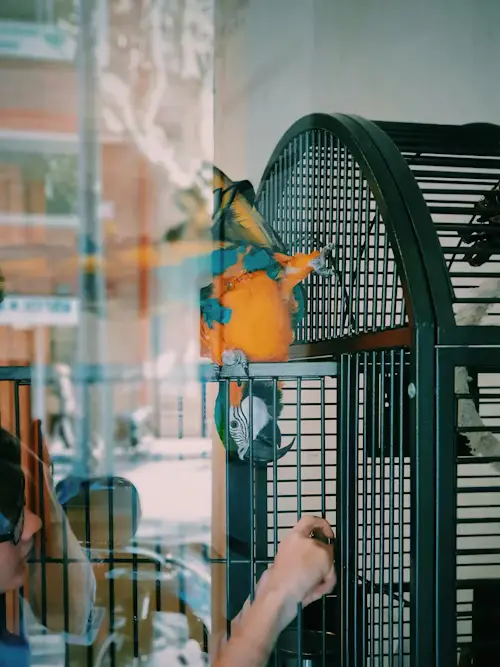
The hunt for the perfect used cage can be exciting once you know where to look. Here are the best places to find quality second hand parrot cages for sale:
Online Marketplaces
Online platforms have revolutionized how we shop for used items, including parrot cages. Some of the most popular options include:
Facebook Marketplace: Local groups often have members selling used parrot cages. You can filter by location, price, and cage size to find options near you. The advantage here is the ability to see the cage in person before purchasing.
Craigslist: Classifieds in your area might have listings from people looking to downsize or who are rehoming their birds. Always arrange to view the cage and test its condition before committing.
Preloved: Specialized in second-hand items, this platform often has unique parrot cage options from specialty sellers.
eBay: While shipping can be challenging for large cages, some sellers offer local pickup options, making it worth checking for deals.
Local Pet Stores
Some pet stores offer trade-in programs where customers can exchange their cages for store credit, which are then resold at discounted prices. Visiting local stores regularly allows you to be first in line when new used inventory arrives.
Bird Breeders and Rescues
Reputable bird breeders and rescues often have second hand parrot cages for sale when birds are rehomed or upgraded. These organizations typically maintain their cages well and may even include helpful accessories. Purchasing from them supports avian welfare while ensuring you get a properly cared-for cage.
Garage Sales and Estate Sales
Keep an eye on community calendars for garage sales and estate sales in your area. People often inherit bird cages from relatives or downsize after their pets pass away, selling these high-quality items for very low prices.
Facebook Groups for Bird Enthusiasts
Specialized Facebook groups for bird owners frequently have members selling used equipment. These groups also provide opportunities to ask for advice and recommendations from experienced owners:
- Check out this active group on Facebook with members discussing used cage options: bird cage sale discussions
Evaluating Used Parrot Cages
Finding second hand parrot cages for sale is only half the battle; knowing how to evaluate them properly is crucial for your bird’s safety and well-being. Here’s what to look for:
Checking for Structural Damage
When examining a used cage, run your hands along every surface, checking for:
- Bent or broken bars: Even minor compromises can create escape hazards or injury risks.
- Weak joints: Wiggle all connections to ensure they’re sturdy.
- Rust spots: Especially concerning in stainless steel cages, as rust can weaken the metal structure.
- Chipped or flaking paint: Toxic paint chips can harm your bird if ingested.
Assessing Safety Features
Safety should be your top priority when evaluating any parrot cage, particularly second hand options:
- Bar spacing: Ensure the spacing is appropriate for your specific parrot species. Too wide, and your bird could get its head stuck; too narrow, and it might feel trapped. Different species require different bar spacing:
| Bird Species | Recommended Bar Spacing |
|---|---|
| Budgies/Parakeets | ½ inch or less |
| Cockatiels | ½ to ⅝ inch |
| Conures | ¾ to 1 inch |
| African Greys | 1 to 1.5 inches |
| Macaws | 1 to 2 inches |
Lead-free materials: Older cages might contain lead or zinc, which are toxic to birds. Look for cages constructed with stainless steel or powder-coated wrought iron, which are safer options.
** sharp edges**: Run your fingers along every interior surface to detect any sharp points or edges that could injure your bird.
Lock mechanisms: Ensure all latches and locks are functional. Parrots are clever escape artists, and compromised locks pose a safety risk.
Determining Appropriate Size
Even second hand parrot cages for sale must meet minimum size requirements for your bird species. The cage should allow your parrot to:
- Fully extend their wings without touching the sides
- Move around comfortably
- Climb and play
- Have separate spaces for perches, food, and toys
For more specific guidance on cage sizing, refer to our guide on massive parrot cages.
Inspecting for Toxic Materials
Used cages might have accumulated substances that are dangerous to birds:
- Powder coating: Check if the coating is intact and not chipping, as ingested chips can cause toxicity.
- Cleaning residue: Ensure previous owners didn’t use harsh chemicals that could leave harmful residues.
- Galvanized wire: Avoid cages with galvanized wire that hasn’t been properly treated, as zinc can leach out and poison your bird.
Parrot Cage Cleaning and Sanitization
Once you’ve purchased your second hand parrot cage, thorough cleaning before introducing your bird is non-negotiable. Even cages that appear clean might harbor bacteria, fungi, or chemical residues that could harm your feathered friend.
Deep Cleaning Techniques
Follow these steps for a comprehensive cage cleaning:
Disassemble the cage: Remove all components including trays, grates, dishes, and toys. This allows you to clean every surface properly.
Initial rinse: Use a hose or power washer (if appropriate for the cage material) to rinse away loose debris.
Vinegar solution: Create a 50:50 solution of white vinegar and water. Spray it liberally on all surfaces and let it penetrate for 15-20 minutes. Vinegar is effective at breaking down mineral deposits and killing many types of bacteria.
Scrubbing: Use a stiff brush to scrub all surfaces, paying special attention to corners and crevices where dirt accumulates.
Sun drying: If possible, let the cage components dry in the sun. UV radiation is a natural disinfectant that’s particularly effective against bacteria and fungi.
Professional disinfectant: After vinegar sun-drying, use a bird-safe disinfectant like F10, which is recommended by avian veterinarians for its effectiveness against pathogens without being toxic to birds.
Safe Disinfectants to Use
When cleaning second hand parrot cages, always use bird-safe products:
- F10SC Veterinary Disinfectant: Specifically formulated for avian environments, effective against viruses, bacteria, fungi, and spores.
- Avi-Safe: Another avian-specific disinfectant that kills harmful pathogens without being toxic to birds.
- Chlorine bleach: Can be used in a 1:32 dilution (½ cup per gallon of water), but must be thoroughly rinsed away after application and the cage completely dried before birds are reintroduced.
What to Avoid When Cleaning
Certain cleaning products can be extremely dangerous to birds and should never be used around their cages:
- Ammonia-based cleaners: Can be fatal to birds as they damage their delicate respiratory systems.
- Essential oils: Many natural oils are toxic to birds and can cause respiratory issues or liver damage.
- Phenol-based cleaners: Products like Lysol contain phenols that are highly toxic to avian species.
- Strong pesticides: Never use bug sprays or flea treatments near bird cages.
Parrot Cage Accessories for Second Hand Cages
When you find quality second hand parrot cages for sale, you’ll likely need to complement them with appropriate accessories. Here’s what to consider:
What Comes With the Cage
Many used cages include some accessories, which can be a bonus in your purchase:
- Food and water dishes: Check if these are included and in good condition.
- Perches: Some cages come with basic perches, though you may want to upgrade these for better variety.
- Grates and trays: Cleaning components are often included, saving you additional expense.
What You Might Need to Add
Most used cages will require some additional purchases to make them bird-ready:
- Natural perches: A variety of perch diameters and textures promotes foot health.
- Foraging toys: Stimulate your bird’s natural instincts to search for food.
- Food and water dishes: Upgrade to stainless steel or ceramic options that are easier to clean and safer than plastic.
- Cage covers: Useful for establishing sleep routines.
- Playtops: For cages without built-in play areas.
Matching Accessories to a Used Cage
When adding accessories to a second hand cage, consider:
- Compatibility: Ensure perches and toys properly fit the cage’s dimensions and bar spacing.
- Safety: Avoid toys with small, detachable parts that could be ingested.
- Variety: Rotate accessories regularly to keep your bird engaged and stimulated.
For a comprehensive guide to choosing safe and engaging bird cage toys, visit our dedicated resource page.
Ensuring Parrot Cage Safety with Used Options
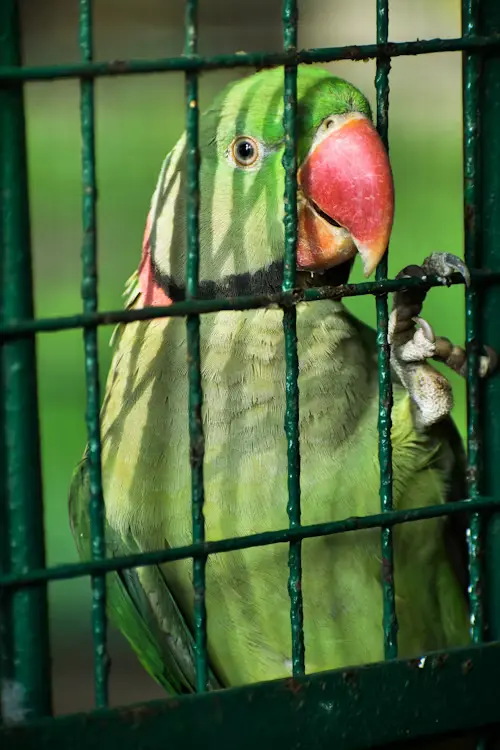
Safety should never be compromised when selecting from second hand parrot cages for sale. Even the most well-maintained used cage might require adjustments or retrofitting to ensure it meets modern safety standards.
Potential Hazards to Look For
When evaluating used parrot cages, be vigilant for these hazards:
- Lead or zinc components: Older cages often contained these toxic metals in hinges, locks, or decorative elements.
- Improper bar spacing: As mentioned earlier, incorrect spacing can lead to escape or injury.
- Chipped or peeling finishes: These can create ingestion hazards or expose toxic metals.
- Weak construction: Some mass-market cages may not withstand a parrot’s powerful beak.
Retrofitting for Safety
If you’ve found a used cage that’s mostly safe but needs some modifications:
- Replace problematic parts: Swap out toxic or damaged components with stainless steel alternatives.
- Add safety clips: Use additional fasteners to secure doors and panels.
- Cover sharp edges: Use non-toxic plastic or metal edge guards on any sharp points.
- Reinforce weak areas: Add support bars or braces where needed.
When to Avoid a Part Used Cage
Some used cages should be passed up regardless of the discount:
- Those with extensive rust or damage that compromises structural integrity
- Cages made from toxic materials like lead-containing alloys
- Units that can’t be properly cleaned or disassembled for sanitization
- Cages too small for your bird species, even if modified
Parrot Cage Reviews: Researching Before Buying
Before finalizing your purchase from second hand parrot cages for sale, take time to research the specific model and brand. Reviews can provide valuable insights into long-term durability and safety.
Where to Find Reviews
- Online retail sites: Even if you’re buying used, reviews of new models can help inform your decision.
- Bird forums and groups: Experienced owners often share their experiences with various cage brands.
- YouTube channels: Many bird enthusiasts review different cage models with hands-on demonstrations.
- Avian veterinarian recommendations: These professionals see cages in various conditions and can offer professional opinions on safety and durability.
What to Look for in Reviews
When reading reviews, pay special attention to:
- Longevity reports: How well the cage has held up over time (especially important for used options).
- Common issues: Any recurring problems reported by multiple owners.
- Safety concerns: Particularly relevant for pre-owned cages that may have been subjected to different conditions.
- Ease of cleaning: Important for maintaining proper hygiene with your second hand purchase.
Understanding Second-Hand Cage Ratings
When reviewing used cages specifically, consider:
- Maintenance history: Cages that were regularly maintained typically perform better than neglected ones.
- Previous bird species: Different birds create different wear patterns—large macaws chew more aggressively than cockatiels.
- Environmental factors: Cages previously used in humid environments may show more rust than those in drier climates.
Pricing Considerations for Second Hand Cages
Understanding fair pricing helps you make informed decisions when browsing second hand parrot cages for sale. Used cage prices vary widely based on several factors.
Fair Market Value
To determine if a price is fair, research:
- Original retail price: Used cages typically sell for 30-70% of their original price, depending on condition.
- Age and wear: Heavily used cages should cost less than those in excellent condition.
- Included accessories: Original accessories and components add value.
Factors Affecting Price
When evaluating the price of used parrot cages, consider these factors that influence value:
| Factor | Impact on Price |
|---|---|
| Material (stainless steel vs. wrought iron vs. cheaper alloys) | Higher quality materials command higher prices |
| Size and dimensions | Larger cages cost more than smaller ones |
| Brand reputation | Well-known brands cost more than generic alternatives |
| Age of the cage | Vintage models may be more valuable if well-maintained |
| Condition | Scratches, rust, and damage reduce value |
| Included accessories | Original dishes, perches, and toys add value |
| Features (playtop, stands, etc.) | Additional features increase price |
Negotiation Tips
When buying second hand parrot cages for sale, don’t hesitate to negotiate:
- Research first: Know the fair market value of the specific model you’re considering.
- Point out flaws: Use any damage or wear as leverage to lower the price.
- Bundle deals: Ask if the seller will include accessories at no additional cost.
- Be prepared to walk away: Sometimes the best negotiation tactic is showing you’re willing to pass if the price isn’t right.
FAQ Section: Second Hand Parrot Cages for Sale
Q: Are second hand parrot cages safe for my bird?
A: Second hand parrot cages can be perfectly safe with proper evaluation and cleaning. Always inspect for structural integrity, ensure the materials are bird-safe, and thoroughly disinfect before introducing your bird to the environment.
Q: How can I tell if a used cage has been properly maintained?
A: Look for consistent wear patterns (not just in one area), well-maintained connections and locks, minimal rust, and clean interior components. Ask the seller about maintenance routines and how long they’ve owned the cage.
Q: What’s the best way to sanitize a used parrot cage?
A: The most effective method involves disassembly, cleaning with a 50:50 vinegar solution, sun drying, followed by application of an avian-safe disinfectant like F10. Rinse thoroughly and allow to dry completely before reintroducing your bird.
Q: Can I use a parrot cage sized for a smaller bird?
A: No, parrot cages must be appropriately sized for your specific species. Too small, and your bird won’t be able to move, exercise, and engage in natural behaviors properly. Always refer to species-specific cage size requirements.
Q: Is it worth buying an older vintage parrot cage?
A: Vintage cages can offer excellent value due to their often superior construction materials and craftsmanship. However, be particularly vigilant about checking for toxic materials like lead or zinc that were common in older manufacturing.
Q: How long should a used parrot cage last after purchase?
A: With proper care, a quality used parrot cage should last many years—sometimes decades. Stainless steel cages, in particular, can last a lifetime. The longevity depends on the original quality, materials, maintenance, and the species of bird using it.
Q: Should I purchase a used parrot cage online?
A: Buying online can offer more options but comes with challenges. If purchasing online, try to find sellers who offer detailed photos and videos, are willing to answer questions about condition, and may offer local pickup options so you can inspect the cage before final purchase.
Conclusion: Making an Informed Choice
Finding quality second hand parrot cages for sale can be a rewarding experience that provides your bird with a safe, spacious home while being budget-friendly. The key is approaching your search with knowledge, patience, and your bird’s safety as your top priority.