Prevent Home Pet Bird From Bother Neighbour: Best Happy Tips

Prevent Home Pet Bird from Bother Neighbour? Living with a pet bird can bring joy and companionship into your home, but their natural vocalizations sometimes create tension with neighbors. A continuously vocal parrot or cockatoo can lead to strained relationships, complaints, and even legal issues in extreme cases. This comprehensive guide will help you understand how to maintain harmonious relationships while enjoying your feathered companion.
Table of Contents
Understanding Pet Bird Noise: Why It Happens
Pet birds naturally vocalize throughout the day. Wild birds use calls to communicate with their flock, establish territory, and express emotions. Domestic birds retain these instincts even in home environments. Understanding why birds vocalize is the first step in managing noise levels.
Birds typically vocalize during morning and evening hours when they’re most active, when seeking attention, or when feeling stressed, bored, or excited. Different species produce varying noise levels. For instance, cockatoos and macaws are among the loudest, while pionus parrots and budgerigars tend to be quieter.
Stages of Normal Bird Vocalization
- Morning chorus – Waking up and greeting the day
- Contact calls – Regular vocalizations throughout the day
- Evening wind-down – Pre-bedtime vocalizations
- Alert calls – Reacting to perceived threats or changes
Understanding these natural patterns helps distinguish between normal behavior and potential problems requiring intervention.
Top Solutions to Prevent Your Pet Bird from Bothering Neighbors
Choose the Right Bird Breed
The primary strategy in preventing neighbor disturbance is selecting an appropriate bird species from the start. Some breeds are naturally quieter and more neighbor-friendly than others.
Neighbor-Friendly Bird Breeds
- Parrotlets – Small but quiet, rarely exceeding moderate noise levels
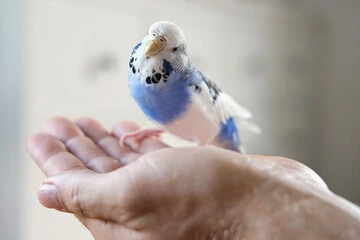
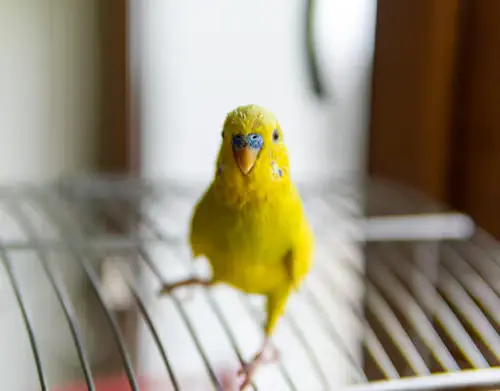
- Budgerigars (Parakeets) – Known for gentle chirps rather than loud squawks
- Pionus Parrots – Quieter than most parrots with soft vocalizations
- Senegal Parrots – Moderate size with relatively low voice volume
- Canaries – Famous for melodious songs without excessive volume
Create an Ideal Living Environment
Your bird’s cage placement significantly impacts noise levels heard by neighbors. Strategic positioning and proper soundproofing can reduce noise transmission.
Soundproof Bird Cage Setup
Creating an effective soundproof bird cage setup requires combining several approaches. Place your bird’s cage away from shared walls and windows facing neighboring properties. Consider using acoustic panels or soundproof curtains around the cage area. Specialized acoustic foam placed behind the cage can absorb sound waves before they reach walls.
Table: Effective Soundproofing Materials Comparison
| Material | Sound Reduction (dB) | Cost | Ease of Installation | Durability |
|---|---|---|---|---|
| Acoustic Foam | 10-15 | $$ | Easy | Medium |
| Mass Loaded Vinyl | 15-20 | $$$ | Moderate | High |
| Soundproof Curtains | 10-12 | $$ | Very Easy | Medium |
| Acoustic Panels | 12-18 | $$$ | Moderate | High |
| Dense Matting | 8-12 | $$ | Easy | High |
Train Your Bird to Be Quiet
Training your bird to be quiet during specific hours can significantly reduce complaints. This requires patience, consistency, and positive reinforcement techniques.
Training Techniques for a Quieter Pet
Establish quiet times by rewarding your bird when it remains silent during these periods. Begin with short intervals and gradually extend the duration. During training sessions, ignore unwanted noise and lavish praise when your bird remains quiet. Environmental enrichment, such as foraging toys and puzzles, keeps birds mentally stimulated and less likely to vocalize excessively.
Advanced Training Tip: The Three-Second Rule
When your bird makes loud noise, wait three seconds after the noise stops before offering positive reinforcement. This teaches your bird that silence, not noise, earns rewards. Begin with short intervals and increase duration as training progresses.
Environmental Modifications to Reduce Bird Noise
Soundproofing Your Space
Effective soundproofing involves treating multiple surfaces to absorb and block sound transmission. Focus on walls, windows, and doors that separate your bird area from neighbors.
Soundproofing Checklist
- Install acoustic panels on adjacent walls
- Use heavy, layered curtains on windows
- Place weather stripping around doors
- Add thick area rugs to absorb sound
- Consider acoustic ceiling tiles for upper floors
> “Picture your bird as a musician – proper acoustics change everything”
DIY Soundproofing Solutions
Rice husk-filled pillows placed strategically around your bird’s cage can absorb excess noise without harming your pet. Old blankets draped over strategic surfaces act as temporary sound barriers during peak vocalization times.
Creating a Bird-Friendly Sanctuary
Providing your bird with adequate mental and physical stimulation reduces problematic vocalizations. A bored bird often screams for attention, while a stimulated bird engages more constructively with its environment.
Enrichment Schedule
Create daily enrichment rotations that include different textures, puzzle toys, and foraging opportunities. Hide treats within toys or paper cups to encourage natural foraging behaviors. Regular out-of-cage time, preferably before your bird’s peak vocalization periods, allows necessary exercise and exploration.
Managing Noise Complaints: Communication and Solutions
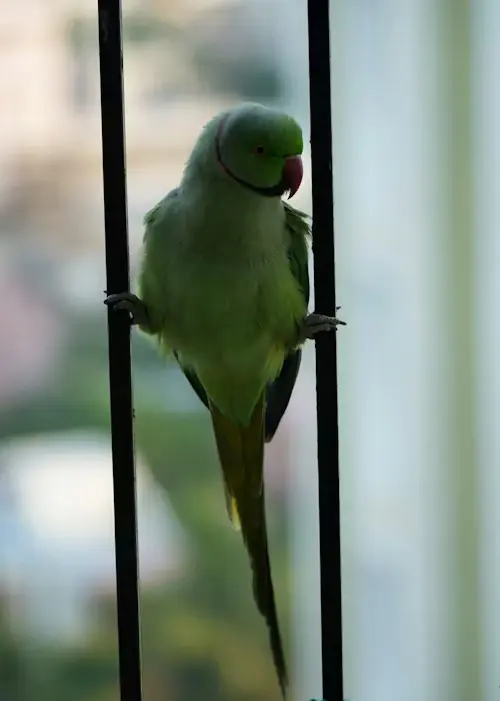
Even with preventive measures, occasional complaints might arise. How you handle these situations significantly impacts your relationship with neighbors.
Handling Neighbor Concerns
Open communication is essential when addressing complaints. Listen to your neighbor’s concerns without becoming defensive. Acknowledge their frustration and explain your commitment to finding solutions. Many people feel heard simply by having someone listen to their concerns.
Document Implementation
Keep records of noise reduction efforts, including dates when changes were implemented. Take photos of soundproofing modifications and log training sessions. This documentation proves valuable if formal complaints arise.
Legal Considerations
Understanding local noise ordinances helps you comply with regulations and prevents escalation to legal proceedings. Most municipalities have specific noise level thresholds, particularly for extended periods during nighttime hours.
FAQ About ‘Prevent Home Pet Bird from Bother Neighbour‘
Q: How do you prevent home pet bird from bother neighbour on a limited budget?
A: Cost-effective solutions include soundproofing with blankets, positioning cages away from shared walls, and establishing a consistent training routine using positive reinforcement and easy-to-make DIY enrichment toys.
Q: What are the quietest pet bird breeds for apartment living?
A: Pionus parrots, parrotlets, and Senegal parrots rank among the quietest options. Canaries and finches also make excellent apartment companions due to their pleasant, low-volume songs.
Q: How effective is training compared to physical soundproofing?
A: Both approaches work best when combined. Training addresses the behavior at its source, while soundproofing provides immediate relief for neighbors during the learning process. Results vary between individual birds, but consistent training typically shows 60-80% improvement when paired with environmental modifications.
Q: Can I face legal consequences for my bird’s excessive noise?
A: Yes. Many areas have noise ordinances that apply to pets, including birds. Repeated complaints can result in warnings, fines, or in extreme cases, pet removal. Understanding local regulations and proactively addressing concerns prevents escalation.
Advanced Noise Prevention Strategies
Technology Solutions
Smartphone apps can monitor decibel levels near your bird’s cage, helping track progress and identify peak noise periods. White noise machines masking specific frequencies have proven effective for some households when properly adjusted.
Professional Consultation Options
Avian behaviorists provide personalized plans addressing specific vocalization issues. Many professionals now offer virtual consultations, making specialized guidance accessible regardless of location.
Long-Term Management Approaches
Maintaining harmony with neighbors requires ongoing attention. Regular reassessment of your bird’s environment, health, and behavior patterns identifies potential issues before they become problems.
Monitoring Progress and Adjusting Solutions
Tracking Noise Levels
Use simple apps to document noise patterns over weeks or months. This data validates which strategies work and identifies when additional measures prove necessary. Many neighbors appreciate seeing quantified improvement efforts genuine.
When to Seek Additional Help
Certain medical conditions contribute to increased vocalization. If sudden behavioral changes occur, consult an avian veterinarian to rule out health issues before pursuing purely behavioral solutions.
Building Harmonious Relationships
Creating a peaceful coexistence between your pet bird and neighbors requires understanding, effort, and adaptation. Every situation presents unique challenges, but with the right combination of training, environmental modification, and communication, most noise issues become manageable.
The key lies in recognizing that this represents an ongoing process rather than a one-time fix. Regular reassessment, adaptation, and maintenance of noise reduction strategies ensures lasting harmony for everyone involved – you, your bird, and your neighbors.
By implementing these comprehensive approaches, you can continue enjoying the companionship of your feathered friend while maintaining positive relationships with those around you. The effort invested in noise management not only prevents complaints but strengthens community bonds built on mutual respect and consideration.