pink Parrot bird: A Guide to the Most Colorful and Rare Species

When you think of parrots, you might picture vibrant greens, blues, and yellows. But what about the pink parrot bird? These feathered gems are some of the most captivating and sought-after birds in the avian world. With their blush-colored plumage and charming personalities, pink parrots bring a touch of elegance and whimsy to any home or aviary.
Whether you’re a seasoned bird enthusiast or just beginning your journey into the world of avian companionship, this comprehensive guide will introduce you to the most fascinating pink parrot species, their unique care requirements, and what makes them truly special. From the elegant Major Mitchell’s Cockatoo to the adorable Rosy-Faced Lovebird, we’ll explore the spectrum of pink parrots that will capture your heart.
Table of Contents
The Allure of Pink Parrot Birds
What makes pink parrot species so special is their rarity and the emotional connection they create with their human companions. Their gentle coloring often reflects their equally gentle natures, making them perfect for families and individuals seeking a more feathered friend.
The pink parrot bird represents a unique category of avian beauty that stands out in the colorful world of parrots. These birds aren’t just visually stunning—they often possess charming personalities that make them wonderful companions. The pink coloration in parrots comes from natural pigments called psittacofulvins, which are unique to parrots and give their feathers that distinctive rosy hue.
Why Choose a Pink Parrot?
Pink parrot birds offer several advantages that set them apart from other parrot species:
- Unique appearance: Their pink coloring makes them stand out in any setting
- Generally mellow temperament: Many pink parrot species are known for their calm demeanor
- Long lifespan: With proper care, many can live for decades
- Strong bonding capability: They form deep connections with their human families
- Moderate noise levels: Compared to some other parrot species, many pink varieties are relatively quiet
Major Pink Parrot Species to Know
Let’s explore the most popular and beautiful pink parrot species that you might consider as a companion or simply admire from afar.
Major Mitchell’s Cockatoo (Pink Cockatoo)
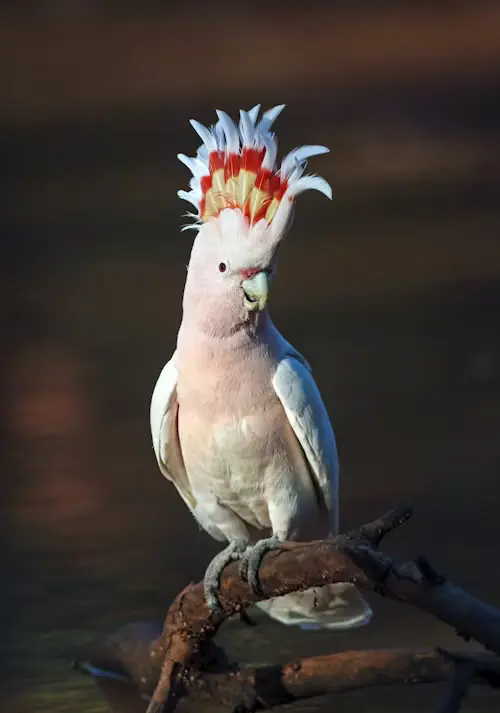
The Major Mitchell’s Cockatoo, also known as the Leadbeater’s Cockatoo, is arguably the most stunning of all pink parrot birds. Native to Australia’s arid interior, this bird boasts a breathtaking combination of pink, white, and salmon coloring.
Key Characteristics:
- Size: Medium-sized cockatoo, approximately 12-14 inches in length
- Coloration: Soft pink body with a distinctive salmon-pink crest
- Personality: Gentle, affectionate, and highly intelligent
- Lifespan: 40-60 years with proper care
This species is considered one of the most beautiful cockatoos in the world, with their elegant crest that fans out when they’re excited or displaying. However, they require experienced handlers due to their complex social and emotional needs.
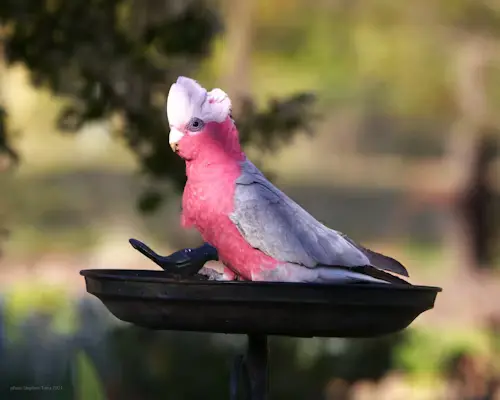
Galah Pink Cockatoo
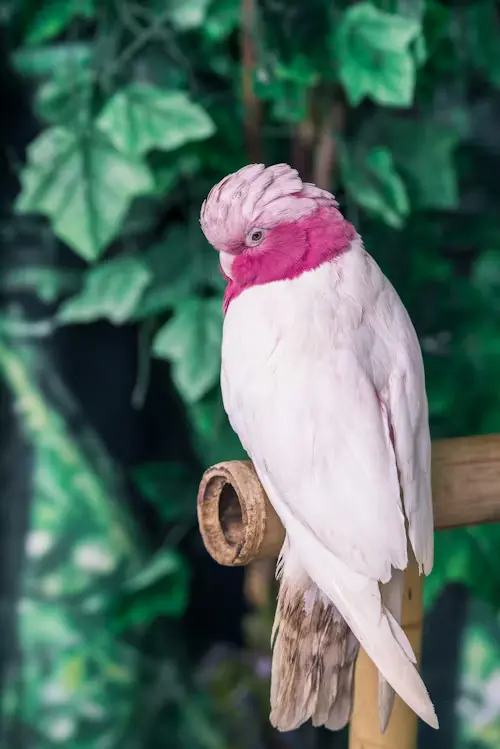
The Galah, often simply called the pink cockatoo, is one of Australia’s most recognizable and beloved birds. These social birds are known for their playful nature and striking pink and grey plumage.
Key Characteristics:
- Size: Medium-sized, about 13-14 inches long
- Coloration: Rose-pink head and chest with grey wings and back
- Personality: Highly social, playful, and relatively easy to care for
- Lifespan: 20-40 years
The galah pink cockatoo is often recommended for first-time cockatoo owners due to their adaptable nature and willingness to form strong bonds with humans.
Rosy-Faced Lovebird
These tiny, colorful birds are perfect for those with limited space but big hearts. Rosy-faced lovebirds are incredibly social and form strong bonds with their human companions.
Key Characteristics:
- Size: Small, only 5-6 inches long
- Coloration: Bright pink face and throat with green body
- Personality: Affectionate, active, and relatively quiet
- Lifespan: 10-15 years
Rosy-faced lovebirds are perfect for apartment living and are known for their gentle nature. They thrive in pairs but can also bond strongly with humans when hand-raised.
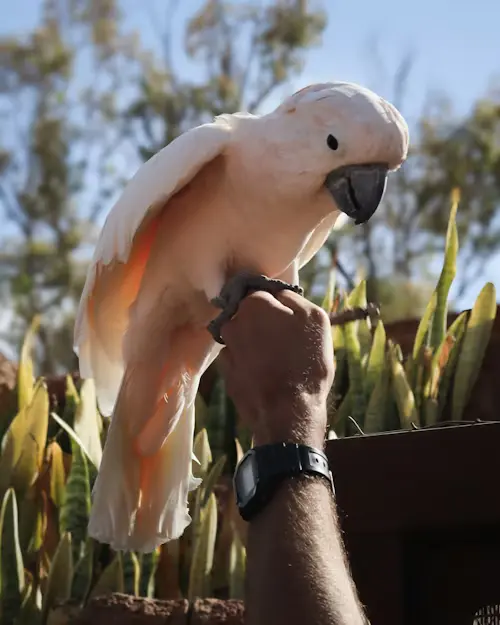
Salmon-Crested Cockatoo Pink
The Salmon-crested Cockatoo, also known as the Moluccan Cockatoo, is a larger pink parrot species known for its impressive size and beautiful coloring.
Key Characteristics:
- Size: Large, approximately 20 inches long
- Coloration: Light pink body with a dramatic salmon-colored crest
- Personality: Highly intelligent, demanding of attention, and very affectionate
- Lifespan: 40-60 years
While stunning, these birds require experienced caregivers due to their high intelligence and need for constant mental stimulation and social interaction.
Pink Eclectus Parrot
The Eclectus parrot is unique in the parrot world for its dramatic sexual dimorphism, with females displaying stunning pink and purple coloring while males are bright green.
Key Characteristics:
- Size: Medium-sized, about 14-17 inches long
- Coloration: Females have bright pink heads and deep purple chests
- Personality: Generally calm, relatively quiet compared to other parrots
- Lifespan: 30-50 years
The pink eclectus parrot female is one of the most visually striking parrots you’ll ever encounter, with her vibrant pink and purple plumage creating a truly regal appearance.
Caring for Your Pink Parrot Bird
Proper care is essential for maintaining the health and happiness of your pink parrot bird. Each species has specific requirements, but there are some general guidelines that apply to most pink parrots.
Housing Requirements
Creating the perfect home for your pink parrot involves more than just choosing a cage. These intelligent birds need space to move, play, and express their natural behaviors.
Cage Size Guidelines:
- Minimum size: At least 1.5 times the bird’s wingspan in all directions
- Bar spacing: Appropriate for the bird’s size to prevent escapes or injuries
- Perches: Multiple perches of varying diameters to promote foot health
- Toys: A variety of toys for mental stimulation and beak exercise
Nutrition for Pink Parrot Care
Proper nutrition is crucial for maintaining your pink parrot’s vibrant coloring and overall health. A balanced diet should include:
Diet Components:
- High-quality pellets: 60-70% of diet
- Fresh fruits and vegetables: 20-30% of diet
- Seeds and nuts: 5-10% of diet (as treats)
- Clean water: Fresh and changed daily
Foods to Include:
- Dark leafy greens (kale, spinach, collard greens)
- Colorful vegetables (carrots, bell peppers, sweet potatoes)
- Fresh fruits (apples, berries, melons)
- Cooked grains and legumes
Foods to Avoid:
- Avocado
- Chocolate
- Caffeine
- Alcohol
- High-salt or high-sugar foods
Social and Mental Stimulation
Pink parrot birds are highly intelligent and social creatures that require daily interaction and mental challenges.
Daily Requirements:
- Out-of-cage time: Minimum 2-4 hours daily
- Social interaction: Daily play and training sessions
- Mental stimulation: Puzzle toys, training, and novel experiences
- Exercise: Opportunities to fly or climb safely
Health Care
Regular veterinary care is essential for maintaining your pink parrot’s health. Find an avian veterinarian experienced with your specific species.
Health Care Schedule:
- Annual check-ups: Comprehensive health examinations
- Emergency care: Know signs of illness and have emergency contacts
- Preventive care: Regular beak and nail trims as needed
- Vaccinations: As recommended by your avian vet
Rare Pink Parrots: The Hidden Gems
While the species mentioned above are the most commonly known pink parrot birds, there are several rare and lesser-known pink parrot species that are truly extraordinary.
Major Mitchell’s Cockatoo Subspecies
Within the Major Mitchell’s Cockatoo species, there are subtle variations that make each individual unique. Some subspecies display more intense pink coloring or variations in their crest patterns.
Color Mutations in Common Species
Through selective breeding, some common parrot species have developed pink color mutations:
- Pink Budgies: While not naturally pink, budgies can be bred to display pink plumage
- Pink Cockatiels: Color mutations can produce stunning pink cockatiels
- Pink Lovebird Varieties: Beyond the rosy-faced lovebird, other lovebird species can display pink coloration through mutations
Conservation Status
Many pink parrot species face threats in the wild due to habitat loss and the pet trade. When considering a pink parrot bird as a companion, ensure you’re working with reputable breeders who follow ethical practices.
Training and Bonding with Your Pink Parrot
Building a strong relationship with your pink parrot bird requires patience, consistency, and understanding of their unique needs.
Positive Reinforcement Training
Pink parrots respond best to positive reinforcement training methods:
Training Principles:
- Use treats and praise as rewards
- Keep training sessions short (5-10 minutes)
- Be consistent with commands and expectations
- Make training fun and engaging
Basic Commands to Teach:
- Step up
- Step down
- Stay
- Come
- No biting
Building Trust
Trust is the foundation of any successful relationship with a pink parrot bird:
Trust-Building Activities:
- Gentle handling from a young age
- Regular, positive interactions
- Hand-feeding (for young birds)
- Training sessions that end on a positive note
Enrichment Ideas
Keep your pink parrot mentally stimulated with various enrichment activities:
Enrichment Options:
- Puzzle feeders
- Foraging toys
- Rotating toy selection
- Training new tricks
- Social interaction with family members
Common Health Issues in Pink Parrot Birds
While pink parrot birds are generally healthy when properly cared for, they can be prone to certain health issues:
Feather Plucking
Feather plucking is a common behavioral issue in parrots, including pink species:
Causes:
- Boredom or lack of stimulation
- Stress or anxiety
- Medical issues
- Poor diet
Prevention:
- Provide adequate mental stimulation
- Ensure proper nutrition
- Maintain a consistent routine
- Address any underlying medical issues
Respiratory Issues
Parrots are sensitive to air quality and can develop respiratory problems:
Prevention:
- Avoid smoking around your bird
- Use bird-safe cleaning products
- Ensure good ventilation
- Avoid aerosol sprays and strong fragrances
Nutritional Deficiencies
Poor diet can lead to various health problems:
Signs of Deficiency:
- Poor feather quality
- Lethargy
- Weight loss
- Behavioral changes
The Cost of Owning a Pink Parrot Bird
While pink parrot birds make wonderful companions, they do come with financial responsibilities:
Initial Costs
- Purchase price: $500-$5,000+ depending on species
- Cage and setup: $200-$1,000+
- Initial veterinary visit: $100-$300
- Toys and accessories: $100-$500
Ongoing Costs
- Food: $20-$50 per month
- Veterinary care: $100-$300 annually
- Toys and enrichment: $20-$100 monthly
- Cage maintenance: $50-$200 annually
Emergency Fund
It’s essential to have an emergency fund for unexpected veterinary bills, which can range from $100 to several thousand dollars depending on the issue.
Choosing the Right Pink Parrot for You
When selecting a pink parrot bird as a companion, consider several factors to ensure a good match:
Lifestyle Considerations
- Time availability: Can you dedicate several hours daily to interaction?
- Living situation: Do you have appropriate space for the bird’s needs?
- Noise tolerance: Are you prepared for the bird’s vocalizations?
- Long-term commitment: Are you ready for a companion that may live 20-60 years?
Experience Level
- Beginner-friendly: Rosy-faced lovebirds, some cockatiel mutations
- Intermediate: Galah cockatoos, some smaller cockatoos
- Advanced: Major Mitchell’s Cockatoos, salmon-crested cockatoos
Family Considerations
- Children: Some pink parrot species are better suited for families with children
- Other pets: Consider how your new bird will interact with existing pets
- Household members: Ensure all family members are on board with bird ownership
Frequently Asked Questions About Pink Parrot Birds
Are pink parrot birds good for beginners?
Some pink parrot species, like rosy-faced lovebirds and certain color mutations, can be good for beginners. However, larger species like Major Mitchell’s Cockatoos and salmon-crested cockatoos require experienced handlers due to their complex needs.
How long do pink parrot birds live?
Lifespan varies by species:
- Small species (lovebirds): 10-15 years
- Medium species (galahs): 20-40 years
- Large species (cockatoos): 40-60 years
Do pink parrot birds talk?
Many pink parrot species can learn to talk, though their talking ability varies:
- Cockatoos: Generally good talkers
- Lovebirds: Limited talking ability but can learn words
- Eclectus: Known for clear speech
Are pink parrot birds noisy?
Noise levels vary by species and individual:
- Generally quieter: Rosy-faced lovebirds, eclectus parrots
- Moderate noise: Galah cockatoos
- Loud: Major Mitchell’s and salmon-crested cockatoos
What makes pink parrot birds special?
Pink parrot birds combine stunning beauty with unique personalities. Their gentle coloring often reflects their equally gentle natures, making them wonderful companions for those who can meet their needs.
Conclusion: Embracing the Beauty of Pink Parrot Birds
Pink parrot birds represent some of the most beautiful and captivating species in the avian world. From the elegant Major Mitchell’s Cockatoo to the charming rosy-faced lovebird, these birds offer a unique combination of beauty, personality, and companionship.
Whether you’re drawn to their stunning appearance, their gentle natures, or their fascinating behaviors, pink parrot birds have a way of capturing hearts and enriching lives. However, they also require significant commitment in terms of time, attention, and resources.