Macaw Parrot for Sale: Find Your Dream Happy Bird

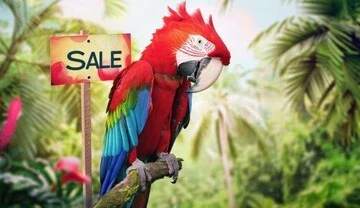
Whether you’ve been captivated by their vibrant colors, mesmerized by their intelligence, or charmed by their playful personalities, the idea of bringing home a macaw parrot has likely crossed your mind. These magnificent birds have captured human fascination for centuries with their stunning plumage, impressive intelligence, and larger-than-life personalities. If you’re searching for a macaw parrot for sale, you’ve come to the right place. This comprehensive guide will walk you through everything you need to know about selecting, purchasing, caring for, and building a lasting bond with these incredible avian companions.
Table of Contents
Understanding the Macaw Parrot World

Before diving into the search for your perfect macaw, it’s essential to understand what makes these birds so special. Macaws belong to the family Psittacidae and are among the largest and most colorful parrots in the world. With their long tail feathers, powerful beaks, and striking color combinations, macaws are truly the jewels of the avian kingdom.
What Makes Macaws Unique?
Macaws are distinguished by several remarkable characteristics:
- Vibrant Plumage: From the brilliant blues of the Hyacinth macaw to the fiery reds of the Scarlet macaw, these birds display some of the most stunning color combinations in the animal kingdom.
- Intelligence: Macaws rank among the most intelligent bird species, capable of learning extensive vocabulary, solving complex problems, and demonstrating emotional depth.
- Long Lifespan: With proper care, many macaw species can live 50-80 years, making them lifelong companions.
- Strong Social Bonds: Macaws form deep attachments to their human caregivers and can become cherished members of the family.
Popular Species Available for Sale
When searching for a macaw parrot for sale, you’ll encounter several popular species:
- Blue and Gold Macaw (Ara ararauna): Known for their striking blue and golden-yellow feathers, these macaws are among the most popular pets due to their friendly nature and impressive speaking abilities.
- Scarlet Macaw (Ara macao): Featuring vibrant red, yellow, and blue plumage, Scarlet macaws are prized for their beauty and outgoing personalities.
- Hyacinth Macaw (Anodorhynchus hyacinthinus): The largest flying parrot species, distinguished by their brilliant blue feathers and yellow eye-ring.
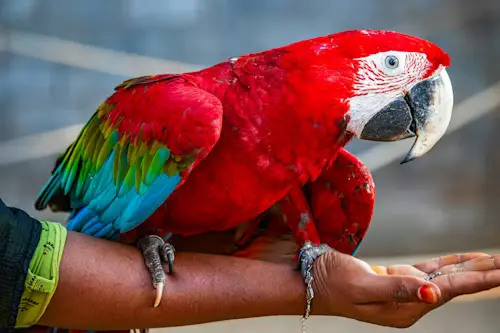
- Green-winged Macaw (Ara chloropterus): Often mistaken for Scarlet macaws, these birds are larger with distinctive green feathers on their wings.
- Military Macaw (Ara militaris): A slightly smaller macaw with a mostly green plumage and a distinctive red forehead.
- Hahn’s Macaw (Ara nobilis nobilis): The smallest macaw species, perfect for those who want the macaw personality in a more manageable size.
macaw price varies significantly depending on the species, age, color mutation, and where you purchase your bird. For example, while a Hahn’s macaw might cost around $1,500-$2,500, a Hyacinth macaw can range from $8,000-$15,000 due to their rarity and specialized care requirements.
The Process of Finding a Macaw Parrot for Sale
Finding a reputable source for a macaw parrot requires careful consideration. The market can be confusing, with numerous options from breeders, pet stores, rescue organizations, and private sellers. Let’s explore the various avenues available to you when searching for your feathered companion.
Reputable Macaw Breeders
When looking for a macaw parrot for sale, finding a reputable breeder should be your top priority. Professional breeders who specialize in macaws have extensive knowledge about proper care, genetics, and behavioral training. Here’s what to look for in a quality breeder:
- Knowledge and Experience: A good breeder can provide detailed information about the macaw’s lineage, health history, and care requirements.
- Clean and Stimulating Environment: Visit the breeding facility if possible. The birds should have clean cages, access to natural light, and plenty of toys and enrichment opportunities.
- Socialization: Well-socialized macaws are more likely to adapt well to their new homes. Ask about the early experiences and handling the chicks have received.
- Health Guarantees: Reputable breeders typically offer health guarantees and provide documentation of veterinary care.
- Ongoing Support: A quality breeder will be available to answer questions and offer guidance even after you’ve taken your macaw home.
Table: Average Costs of Macaw Species from Reputable Breeders
| Macaw Species | Average Price Range | Notes |
|---|---|---|
| Blue and Gold Macaw | $1,500 – $4,000 | Popular, widely available |
| Scarlet Macaw | $1,600 – $4,500 | Beautiful, outgoing personality |
| Hyacinth Macaw | $8,000 – $15,000+ | Rare, requires specialized diet |
| Green-winged Macaw | $2,500 – $5,000 | Similar to Scarlet but larger |
| Military Macaw | $2,000 – $4,000 | Good for experienced owners |
| Hahn’s Macaw | $1,500 – $2,500 | Smaller macaw option |
Macaw Adoption: A Rewarding Alternative
If you’re open to adopting a macaw rather than purchasing a baby bird, there are wonderful opportunities available through macaw rescue organizations. Bird adoption comes with several benefits:
- Adult Birds: You’ll know the personality and characteristics of the bird you’re bringing home.
- Cost-Effective: Adoption fees are typically much lower than purchasing from a breeder.
- Rescue a Deserving Bird: Many macaws in rescues are there due to no fault of their own, through circumstances like owner death, divorce, or inability to care for them.
- Support a Good Cause: Your adoption fee helps support the rescue organization’s mission.
When considering macaw adoption, keep in mind that:
- The bird may have behavioral issues or past traumas that require patience and understanding.
- You might need to invest additional time and resources in training and socialization.
- The bird’s age and health history may be unknown.
Warning Signs: Avoiding Scams
Unfortunately, the world of exotic bird sales has its share of scams. The internet is filled with offers that seem too good to be true, and the macaw parrot market is no exception. The *Scammer alert mentioned earlier highlights how Hyacinth Macaw Parrots are being marketed at unrealistically low prices—these magnificent birds should cost around $95,000 for a breeding pair, not suspiciously low amounts offered online.
Red flags to watch out for when searching for a macaw parrot for sale:
- Unrealistically Low Prices: Be especially cautious of Hyacinth macaws priced below $8,000 or any macaw offered for suspiciously low amounts.
- Requests for Wire Transfers or Gift Cards: Legitimate sellers typically accept secure payment methods.
- No Local Visits Option: A reputable breeder will welcome visitors to see the facilities and meet the birds.
- Pressure Tactics: Scammers often create a sense of urgency or exclusivity.
- Poor Communication: Vague responses, lack of knowledge about the birds, or broken English can indicate fraud.
What to Consider Before Bringing Home Your Macaw
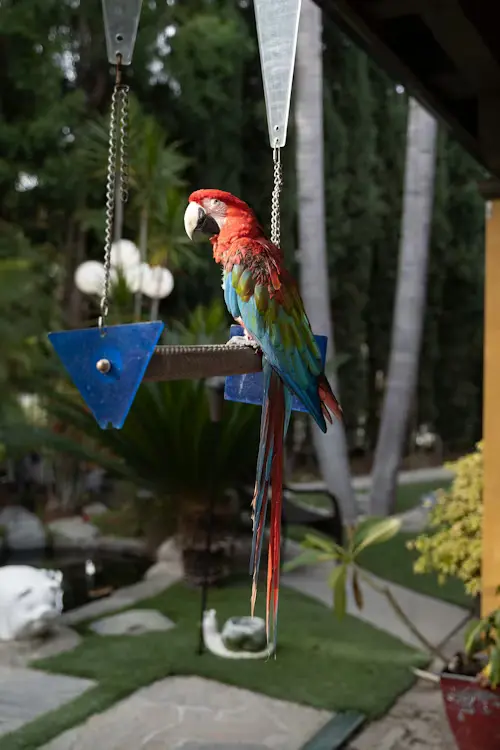
Before finalizing your decision to bring home a macaw, it’s crucial to understand the significant commitment these birds require. Macaws are not low-maintenance pets, and potential owners must carefully evaluate their ability to meet these magnificent birds’ needs.
Financial Considerations
Owning a macaw involves substantial financial commitments beyond the initial purchase price. Consider the following ongoing expenses:
- Housing: A large, sturdy cage can cost $500-$2,000+ depending on size and quality.
- Food:quality pellets, fresh fruits, vegetables, and nuts will add $50-$100 monthly.
- Veterinary Care: Annual exams and potential emergency visits can cost several hundred to thousands of dollars.
- Toys and Enrichment: Macaws need constant stimulation, requiring $50-$100 monthly in new toys.
- Training: Professional training classes or consultations may be necessary.
- Insurance: Avian health insurance can cost $200-$500 annually.
macaw breeder websites often provide detailed information about the specific care requirements of different macaw species, helping you understand what you’re getting into before purchase.
Time and Commitment
Macaws are highly social animals that require significant time and attention:
- Daily Interaction: Plan to spend several hours each day interacting with your macaw outside its cage.
- Training Sessions: Regular training helps keep your macaw mentally stimulated and strengthens your bond.
- Socialization: Proper socialization from a young age is crucial for developing a well-adjusted adult macaw.
- Long-Term Commitment: Most macaws live 50-80 years, so you’re making a lifetime commitment.
Space Requirements
Macaws are large, active birds that need ample space:
- Cage Size: The minimum cage size for a medium macaw should be 40″ wide × 30″ deep × 60″ high, with larger species requiring even more space.
- Flight Space: Ideally, your home should provide a safe room or area where the macaw can fly and exercise.
- Placement: Locate the cage in a social area of your home but away from direct sunlight, drafts, and kitchen fumes.
The Joys and Challenges of Macaw Ownership
Once you’ve found your perfect macaw parrot for sale and brought them home, you’ll embark on a journey filled with incredible rewards and challenges unique to these magnificent birds.
The Macaw Personality: What to Expect
Macaws have distinctive personalities that set them apart from other companion birds:
- Highly Social: Macaws thrive on interaction and can become deeply bonded with their caregivers.
- Intelligent and Curious: These birds need mental stimulation to prevent boredom and behavioral issues.
- Playful and Mischievous: Macaws retain a playful nature throughout their lives and enjoy interactive games.
- Vocal: While some macaws can learn words and phrases, they are naturally loud birds with strong voices.
- Sensitive: Macaws can be emotionally attuned to their environment and may become stressed in chaotic households.
Building a Strong Bond with Your Macaw
Creating a meaningful relationship with your macaw requires patience and understanding:
- Establish Trust: Allow your new macaw time to adjust to its environment and approach interactions at their pace.
- Consistent Handling: Regular, gentle handling helps build confidence and strengthens your bond.
- Respect Boundaries: Learn to read your macaw’s body language and respect their preferences.
- Positive Reinforcement: Reward desired behaviors with praise, treats, and attention.
- Quality Time: Simply being in the same room, talking to your macaw, and offering shared experiences builds connection.
Common Macaw Behaviors and Their Meanings
Understanding your macaw’s communication methods is essential for a harmonious relationship:
- Wing Flapping: Can indicate excitement, a desire to fly, or as a stretching exercise.
- Beak Grinding: Often signifies contentment, similar to a cat’s purr.
- Eye Pinning: Pupils rapidly expanding and contracting can indicate excitement, interest, or agitation.
- Tail Fanning: Can be a sign of aggression, excitement, or used for balance.
- Vocalizations: From soft clucks to loud screams, macaws use various sounds to communicate needs and emotions.
macaw training techniques vary slightly from those used for Amazon parrots, as macaws require specialized approaches due to their size, intelligence, and specific behavioral traits.
Essential Macaw Care Guide

Providing proper care for your macaw is essential for their health, happiness, and longevity. Let’s explore the fundamental aspects of macaw ownership in detail.
Creating the Perfect Macaw Habitat
Your macaw’s environment plays a crucial role in their well-being:
- Cage Selection: Choose a strong, escape-proof made of stainless steel or powder-coated wrought iron. Avoid ornate designs that could trap toes or beaks.
- Cage Placement: Position the cage in a well-lit area away from direct sunlight, drafts, and kitchens. Macaws thrive when they can observe household activities.
- Perches: Provide multiple perches of varying diameters (1-2 inches for medium macaws) made from natural wood to prevent foot problems.
- Accessories: Include stainless steel food and water dishes, supervised access to branches for chewing, and interactive toys.
The Importance of Macaw Diet and Nutrition
Proper nutrition is the cornerstone of good macaw health:
- Base Diet: A high-quality pelleted diet should form 60-70% of your macaw’s nutrition, ensuring balanced nutrition.
- Fresh Foods: Daily offerings of fruits, vegetables, and healthy greens should make up 20-30% of their diet.
- Protein Sources: Occasional portions of lean protein like cooked chicken, eggs, or legumes.
- Healthy Fats: Macaws require more fat than other parrots. Sources include nuts (almonds, walnuts, etc.) and seeds in moderation.
- Foods to Avoid: Chocolate, avocado, caffeine, alcohol, salty foods, and high-fat processed foods are toxic to macaws.
- Supplements: Consult your avian veterinarian before adding supplements to your macaw’s diet.
Macaw Lifespan and Healthcare Considerations
With proper care, macaws can live exceptionally long lives:
- Average Lifespan: Most macaw species live 50-80 years in captivity, with some individuals reaching over 100 years.
- Veterinary Care: Annual wellness exams are essential. Find an avian veterinarian before bringing your macaw home.
- Common Health Issues: Macaws may be prone to feather plucking, respiratory infections, beak and feather disease, and nutritional disorders.
- Preventive Care: Regular wing, nail, and beak trimming by professionals; maintaining proper hygiene; and providing enrichment are crucial to preventing health problems.
Macaw Training and Behavior Management
Training your macaw is not only about teaching tricks but also about building a foundation for a well-adjusted, happy bird. Proper training can prevent many common behavioral issues and strengthen your bond with your feathered friend.
Basic Training for Your Macaw
Start these fundamental training exercises as soon as your macaw has settled into their new home:
- Step-Up Training: This essential command teaches your macaw to step onto your hand on command.
- Recall Training: Teaching your macaw to come when called can be helpful in managing their freedom outside the cage.
- Target Training: Using a target stick to guide your macaw can help manage behavior and facilitate more advanced training.
- Crate Training: Getting your macaw comfortable with a travel crate makes vet visits and potential relocations less stressful.
Addressing Common Behavioral Issues
Even with the best care, macaws may develop behavioral challenges:
- Excessive Screaming: Macaws are naturally loud birds, but chronic screaming usually indicates unmet needs—more interaction, environmental changes, or health issues.
- Biting: This is a macaw’s way of communicating discomfort, fear, or establishing boundaries.
- Feather Plucking: Often related to stress, nutritional deficiencies, or boredom, this serious issue requires veterinary attention.
- Aggression: May stem from hormonal changes, past trauma, or feeling threatened.
Enrichment Activities for Mental Stimulation
Mental stimulation is crucial for preventing boredom-related behaviors:
- Foraging Toys: These encourage natural foraging behaviors and provide intellectual challenges.
- Puzzle Feeders: Require your macaw to solve problems to access food.
- Training Sessions: Short, regular training sessions provide mental exercise and strengthen your bond.
- Social Interaction: Regular, quality time with you and appropriate family members is essential.
- Safe Exploration: Supervised out-of-cage time allows for flight, exploration, and exercise.
Frequently Asked Questions About Macaw Parrots for Sale
Are macaws good pets for beginners?
While macaws can make wonderful companions, they are generally not recommended for first-time bird owners. Their size, strength, intelligence, and longevity require significant commitment and experience. If you’re new to bird ownership, consider starting with a smaller, less demanding species before moving to a macaw.
How much does a macaw parrot for sale typically cost?
macaw price varies widely by species:
- Smaller macaws like Hahn’s: $1,500-$2,500
- Popular species like Blue and Gold: $1,500-$4,000
- Larger species like Green-winged: $2,500-$5,000
- Rare and specialized macaws like Hyacinth: $8,000-$15,000+
These prices represent the initial purchase cost, not including the significant ongoing expenses of proper macaw care.
Where can I buy a macaw parrot ethically?
There are several ethical sources for purchasing macaws:
- Reputable breeders who specialize in macaws and provide proper socialization and care
- Avian rescues and adoption organizations
- Some specialty pet stores with excellent avian departments
Avoid pet stores that source their birds from large-scale breeding operations (sometimes called “mills”) or online sellers with no physical presence or verifiable credentials.
How can I tell if a macaw breeder is reputable?
Reputable macaw breeders typically:
- Welcome visitors to their facilities
- Have clean, stimulating environments for their birds
- Provide detailed health records and genetic information
- Offer support and guidance after purchase
- Don’t pressure you into decisions
- Socialize their chicks properly from a young age
Can I sell my pet macaw if I can no longer care for them?
Yes, but it’s important to find a good home rather than simply trying to make a profit. Many macaw owners who need to rehome their birds prefer to find a new family through macaw adoption channels rather than commercial sales. Consider reaching out to specialized avian rescues, online forums dedicated to birds, or connecting with other macaw enthusiasts to find a suitable new home for your bird.
Making the Commitment to Macaw Ownership
After carefully researching, visiting potential sources, and understanding the responsibilities of macaw ownership, you may be ready to bring one of these magnificent birds into your life. The journey of macaw ownership is filled with unique rewards and challenges that can deeply enrich your life.
Signs You’re Ready for Macaw Ownership
You may be prepared to become a macaw owner if you:
- Have significant space for a large cage and play area
- Can commit several hours daily to interaction and training
- Have the financial resources for proper care and potential veterinary bills
- Understand and accept the 50-80 year commitment
- Have experience with large birds or are prepared to learn
- Live in a stable environment where the macaw won’t be subject to frequent disruptions
Setting Up for Success Before Bringing Home Your Macaw
Preparation is key to a smooth transition:
- Research Thoroughly: Continue learning about macaw care, nutrition, and training.
- Home Proofing: Macaw-proof your home by removing toxic plants, securing electrical cords, and ensuring windows and doors are safely closed.
- Purchase Proper Equipment: Set up the cage, playstand, and accessories in advance.
- Find an Avian Veterinarian: Locate a qualified avian veterinarian in your area before you need one.
- Stock Up on Supplies: Have food, toys, and first-aid supplies ready.
The Transition Period: Bringing Your Macaw Home
The first few weeks are crucial for helping your macaw adjust:
- Give Space and Time: Allow your new macaw to explore their environment at their own pace.
- Establish Routine: Consistency helps macaws feel secure.
- Begin Bonding: Start with simple interactions like talking softly and offering treats.
- Monitor Eating and Elimination: Ensure your macaw is eating normally and has regular droppings.
- Limit Initial Stressors: Avoid overwhelming your macaw with too many visitors or outings in the first weeks.
Conclusion: Your Journey with a Macaw Awaits
Bringing home a macaw parrot is a life-changing decision filled with extraordinary rewards. These intelligent, expressive, and deeply social birds can form remarkable bonds with their human companions, offering decades of joy, companionship, and entertainment. From their stunning beauty to their impressive intellect and affectionate personalities, macaws truly live up to their reputation as extraordinary companions.