Macaw Parrot Secrets: Best Happy Tips You Must Know

Introduction
Picture this: You walk into a room and are greeted by a flash of vibrant blue and gold feathers, a bird whose intelligence matches your own, and whose personality could fill an entire room. This is the magic of a macaw parrot – a creature that doesn’t just share your home but becomes a family member, a confidant, and a companion unlike any other. For thousands of years, humans have been captivated by these magnificent birds, from their feathered brilliance to their remarkable cognitive abilities. Whether you’re a seasoned parrot owner or simply enchanted by these magnificent creatures, this comprehensive guide will walk you through everything you need to know about caring for and understanding your macaw parrot.
Table of Contents
Types of Macaws: Nature’s Colorful Palette
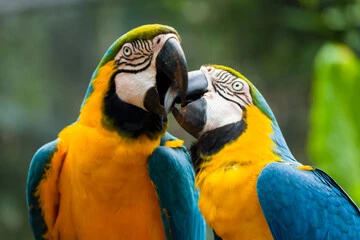
Macaws belong to a group of large, long-tailed New World parrots known for their stunning colors. While there are many species, several stand out for their beauty and popularity among aviculturists.
Table: Popular Macaw Species Comparison
| Species | Size | Lifespan | Temperament | Key Characteristics |
|---|---|---|---|---|
| Blue and Yellow Macaw | 34 inches | 50-60 years | Playful, social | Brilliant blue and gold coloring; excellent mimics |
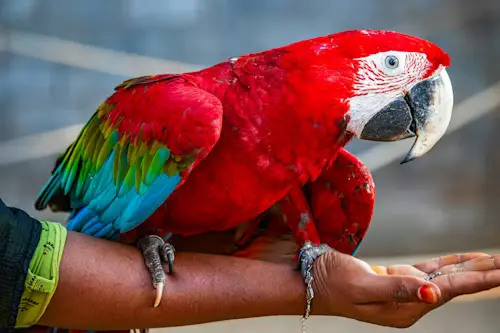
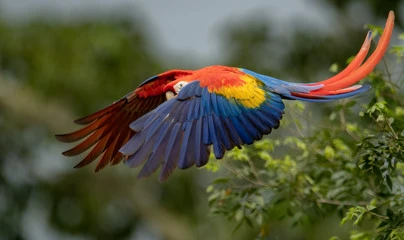
| Scarlet Macaw | 35 inches | 50-75 years | Intelligent, bold | Mostly red with blue and yellow wing accents; very vocal |
| Green-Winged Macaw | 38 inches | 50-60 years | Calm, gentle | Primarily red with green wing feathers; larger species |
| Hyacinth Macaw | 40 inches | 50-60 years | Sweet, affectionate | Deep blue with yellow eye-ring ring and beak; powerful beak |
Macaw Care: Providing the Best for Your Feathered Friend
Caring for a macaw parrot requires dedication, but the reward is an extraordinary bond with an intelligent, affectionate companion. Here’s what you need to know to provide exceptional care for your macaw:
The Proper Environment
Macaws are large, active birds that require ample space to thrive. Their cage should be at least 3 feet wide, 4 feet tall, and 2 feet deep, with bar spacing no wider than 1 inch to prevent escape or injury. The cage should feature multiple perches of varying diameters to maintain foot health and prevent sores.
Position the cage in a draft-free area where your macaw can observe family activities but not necessarily be in the center of everything. Macaws enjoy social interaction but also require downtime. Maintain a consistent temperature between 65-80°F (18-27°C) and provide 10-12 hours of darkness each night for restful sleep.
Environmental Enrichment
Mental stimulation is crucial for your macaw’s wellbeing. Provide a variety of toys, including puzzle feeders, chew toys, and foraging opportunities. Rotate toys weekly to maintain interest. Macaws are destructive by nature, so offer safe branches from non-toxic trees for chewing and shredding.
Out-of-cage time should be supervised and extended. Designate a macaw-safe area where your bird can explore, climb, and play. Consider providing a playstand near your family’s main gathering area for social interaction.
Social Interaction
Macaws are highly social birds that require significant interaction. Plan for at least 2-4 hours of direct engagement daily, including talking, playing, and training. They thrive on being part of the family and may develop behavioral issues without adequate socialization.
Many macaw owners report their birds develop special bonds with specific family members while maintaining friendly relationships with others. This selectivity is normal and reflects the complex social structures these birds form in the wild.
Health Monitoring
Regular veterinary check-ups, at least annually, are essential for maintaining your macaw’s health. Be alert to signs of illness, including changes in appetite, unusual droppings, feather plucking, or lethargy. Macaws are masters at hiding illness, so subtle changes in behavior should be noted.
Proper grooming includes nail and beak trimming, which should be performed by an experienced avian veterinarian. Wing clipping is a personal choice, but many owners prefer to allow flight for better exercise and happiness.
Macaw Personality: The Unique Character of These Magnificent Birds
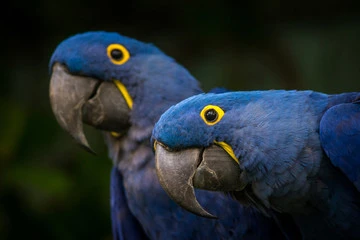
Understanding your macaw’s personality is key to forming a deep, meaningful bond. While individual birds vary by species and upbringing, certain personality traits are common across most macaws.
Intelligence and Problem-Solving
Macaws rank among the most intelligent bird species, with cognitive abilities comparable to that of a 3-5 year old human child. They excel at problem-solving, can learn to use simple tools, and demonstrate remarkable memory. One owner reported their blue and yellow macaw figured out how to unlatch cage doors by watching humans and practicing with different techniques.
This intelligence means they need Mental stimulation to prevent boredom, which can lead to destructive behaviors. Puzzle toys, foraging opportunities, and training sessions challenge their minds and prevent frustration.
Social Nature
Macaws are inherently social creatures that form strong bonds with their human families. In the wild, they live in flocks and maintain complex social hierarchies. In captivity, they typically view their human caregivers as their flock, often developing particularly close relationships with one individual.
This social nature means they thrive on interaction and companionship. Many macaw owners describe their birds as “velcro birds” that want to be involved in every activity, from cooking and cleaning to watching television. However, they also learn to respect boundaries when properly trained.
Vocalizations
Macaws are known for their impressive vocal range, from soft chirps and whistles to ear-piercing screams. Their calls serve multiple purposes: communicating with flock members, expressing excitement, alerting to potential dangers, and sometimes simply making their presence known.
While their size makes their calls naturally loud, proper socialization and training can minimize excessive screaming. Teaching your macaw to communicate softly while still allowing natural vocalizations creates a harmonious living environment.
Emotional Complexity
Macaws demonstrate remarkable emotional intelligence. They experience joy, sadness, jealousy, and even empathy. Many owners report their birds celebrating family reunions with demonstrative excitement while showing signs of depression when favorite family members are absent.
This emotional complexity means they’re attuned to their owners’ moods, often offering comfort during difficult times. One touching example is the story of macaw that became vigilant and protective when its owner was pregnant, sensing the changes happening to its human flock member.
Table: Macaw Personality Traits by Species
| Species | Intelligence Level | Social Needs | Vocal Tendency | Playfulness |
|---|---|---|---|---|
| Blue and Yellow Macaw | High | Very High | Highly Vocal | Extremely Playful |
| Scarlet Macaw | Very High | High | Extremely Vocal | Moderately Playful |
| Green-Winged Macaw | High | Moderate | Moderately Vocal | Highly Playful |
| Hyacinth Macaw | High | High | Quietly Vocal | Gently Playful |
Macaw Lifespan: Building a Long-Lasting Bond
Understanding the macaw’s impressive lifespan is crucial potential owners. These extraordinary birds make long-term commitments, often sharing decades of your life with you.
Typical Lifespan Compared to Other Pets
In captivity, macaws typically live 50-60 years, with some individuals reaching 70-80 years under optimal care conditions. This longevity far exceeds that of most traditional pets – a dog’s average lifespan is 10-13 years, while cats average 12-15 years. This means when you welcome a macaw into your home, you’re making a commitment that could span multiple generations.
The record for the oldest macaw in captivity belongs to a blue and yellow macaw named Charlie, reportedly living to be 114 years old, though this claim is difficult to verify. More reliably, many macaws in well-cared-for environments regularly celebrate their 60th birthdays and beyond.
Factors Affecting Lifespan
Several key factors determine how long your macaw will live:
Genetics: Some species naturally have longer lifespans than others. For example, hyacinth macaws tend to live longer than scarlet macaws when all other factors are equal.
Diet: Proper nutrition is perhaps the most significant factor in determining your macaw’s lifespan and quality of life. A species-appropriate diet rich in nutrients directly impacts longevity.
Environment: Clean air, adequate space, mental stimulation, and social interaction all contribute to a longer, healthier life. Poor ventilation or constant stress can dramatically shorten a macaw’s lifespan.
Veterinary Care: Regular check-ups and prompt attention to health issues can prevent conditions from becoming life-threatening.
Exercise: Physical activity maintains organ function, muscle tone, and mental health – all contributing to a longer life.
Creating a Long, Healthy Life
To ensure your macaw reaches its maximum lifespan potential:
- Provide species-appropriate nutrition
- Schedule regular veterinary check-ups
- Maintain a clean, stimulating environment
- Ensure adequate social interaction
- Monitor for subtle signs of illness
- Provide mental stimulation through training and play
- Avoid exposing your macaw to toxic substances like certain cleaning products, non-stick cookware fumes, or specific plants
One remarkable example of longevity in captivity is “Charlie,” a blue and yellow macaw who reportedly lived to be 114 years old according to some sources. While this claim is debated, many verified accounts document macaws living well into their 80s and 90s with exceptional care.
Macaw Diet: Fueling a Vibrant, Healthy Life
Proper nutrition is the foundation of your macaw’s health and longevity. In the wild, macaws consume a varied diet that changes with seasons and availability. Captive macaws require careful attention to dietary needs to maintain optimal health.
Natural Diet in the Wild
In their natural habitat, macaws consume a diverse range of foods based on their species and location. Their diet typically includes:
- Various seeds and nuts (making up a small percentage of wild diet)
- Fruits native to their region
- Edible flowers and blossoms
- Leafy greens
- Insects and their larvae
- Clay from riverbanks, which helps neutralize toxins from unripe fruits
Different species have evolved to specialize in certain foods. For example, hyacinth macaws primarily native to Brazil, have powerful beaks adapted to cracking the hard nuts of native palms like acuri and manduvi.
Recommended Captive Diet
A balanced captive diet should approximate the variety and nutritional composition of a wild macaw’s diet. Most veterinarians recommend a diet consisting of:
High-Quality Pellets (60-70% of diet): Formulated to provide complete nutrition, pellets should make up the majority of your macaw’s daily intake. Look for species-specific formulas without artificial colors or excessive fillers.
Fresh Vegetables and Fruits (20-30% of diet): A colorful variety of produce provides essential vitamins and minerals. Recommended options include:
Limited Seeds and Nuts (10% of diet): While macaws enjoy seeds and nuts, they should be limited due to high fat content. Offer a small portion as treats or rewards for good behavior.
Protein Sources (occasional): Offer cooked lean meats, eggs, or legumes occasionally, especially during molting or breeding seasons.
Feeding Schedule and Techniques
Macaws typically eat twice daily, once in the morning and once in the evening. Establish a consistent routine to prevent overeating. Follow these feeding guidelines:
- Offer fresh water twice daily in clean bowls
- Remove uneaten fresh foods after 2-3 hours to prevent bacterial growth
- Provide mental stimulation through foraging opportunities rather than letting your macaw eat directly from a bowl
- Schedule feeding times when your bird is most active, typically in the morning
- Monitor your bird’s weight regularly to prevent obesity
Foods to Avoid
Certain foods can be harmful or fatal to macaws. Never offer your bird:
- Chocolate
- Caffeine
- Alcohol
- Avocado
- Fruit pits
- Apple seeds
- Onions and garlic
- Dairy products
- Highly processed foods
- Foods high in sugar, salt, or fat
- Raw beans
- Mushrooms
One practicing avian veterinarian notes that common dietary mistakes include “feeding too many sunflower seeds, leading to obesity and fatty liver disease, and not offering enough variety to ensure complete nutritional coverage.”
Table: Recommended Daily Diet for a Medium Macaw (30-40 inches)
| Food Category | Percentage | Examples | Notes |
|---|---|---|---|
| Pellets | 60-70% | Harrison’s, TOPS, Roudybush | Should be balanced species-specific formulation |
| Vegetables | 15-20% | Kale, broccoli, sweet potato | Dark leafy greens should be primary vegetable |
| Fruits | 5-10% | Berries, apple, mango | Offer in small quantities due to sugar content |
| Seeds/Nuts | 5% | Pine nuts, almonds | Small treat portions only |
| Protein | 5% | Cooked eggs, lean meat | Occasional addition, especially during molting |
Macaw Training: Building a Foundation for Harmony
Training your macaw parrot creates channels of communication that strengthen your bond while addressing behavioral needs. Through positive reinforcement techniques, you can shape desirable behaviors while fostering mutual respect and understanding.
Basic Obedience Training
Start with fundamental responses that establish clear communication between you and your macaw:
Target Training: Teaching your macaw to touch a target stick (like a chopstick) with its beak is foundational. This behavior can be shaped into more complex tricks and helps with veterinary examinations.
Step-Up: The most essential behavior, “step-up” involves your macaw moving onto your hand when requested. Begin near the cage, saying “step-up” gently while offering your hand. When your bird complies, immediately reward with praise and a treat.
Recall Training: Teaching your bird to return to you on command builds trust and ensures safety during out-of-cage time. Use a consistent recall signal, such as a whistle or specific word.
Addressing Common Behavioral Issues
Macaws, being intelligent and social, may develop behaviors that challenge harmonious coexistence:
Excessive Screaming: Understand that vocalization is natural and necessary for macaw wellbeing. Instead of attempting to eliminate all vocalization, teach your bird to communicate more appropriately. Reward quiet moments, and provide attention when your macaw vocalizes softly rather than shrieking.
Biting: This behavior typically stems from fear, territoriality, or communication needs. Never react with punishment, which worsens the issue. Instead, identify triggers that provoke biting and work gradually to desensitize your bird. Use body language that respects your macaw’s comfort space.
Feather Plucking: This serious behavior requires veterinary attention to rule out medical causes. If plucking is behavioral, it often results from stress, boredom, or lack of proper nutrition. Increase enrichment, ensure adequate social interaction, and consult your avian veterinarian about potential nutritional supplements.
Advanced Training and Enrichment
Once basic commands are mastered, introduce more complex activities that challenge your macaw’s intelligence:
Foraging Games: Hide food in puzzle toys or around the environment to encourage natural foraging behaviors. Start simple and gradually increase difficulty as your macaw becomes more skilled.
Vocal Training: Many macaws enjoy learning words and phrases. Train during calm moments when your bird is attentive. Repeat words clearly and consistently, rewarding immediate attempts at mimicry.
Trick Training: Macaws excel at learning tricks that showcase their intelligence. Show patience and break complex behaviors into manageable steps. Remember that training should be enjoyable for both you and your bird.
Macaw Behavior: Understanding Their Vocal and Body Language
Macaws communicate through a complex combination of vocalizations and body language. Learning to interpret these signals strengthens your bond and addresses needs before they manifest as behavioral problems.
Vocalizations and Their Meanings
Macaws use a variety of sounds to express different emotions and needs:
Coos and Trills: Soft, gentle sounds typically indicate contentment and relaxation. Many macaws make these noises when being gently stroked or while enjoying a favorite treat.
Contact Calls: Often described as squawking or screeching, these loud vocalizations typically occur when a macaw feels isolated from its flock. In the home environment, these calls often arise when your macaw is in another room and wants to reconnect with you.
Alarm Calls: Sharp, urgent vocalizations signal potential danger or something unusual. In the home, this might be triggered by the doorbell, a strange noise, or an unfamiliar visitor.
Play Sounds: Macaws have distinctive vocalizations they maken during playtime, often accompanied by fluffed feathers and bouncing movements. These sounds typically indicate joy and excitement.
Growling: A low, rumbling sound typically indicates fear, territoriality, or agitation. If your macaw growls when you approach its cage, it may feel its territory is being invaded.
Body Language Interpretation
A macaw’s posture and feather position provide important insights into its emotional state:
Eye Pinning: Rapid dilation and contraction of pupils (eye-pinching) indicates excitement or agitation. Combined with other body language, it can signal anything from enthusiastic engagement to potential aggression.
Fluffed Feathers: When feathers appear looser and fuller, your macaw may be cold, unwell, or simply relaxed and content. Context is crucial for accurate interpretation.
Tail Fanning: A rapidly fanning tail typically indicates excitement or agitation during interactions with other birds or humans.
Beak Grinding: Soft, rhythmic beak grinding usually indicates comfort and contentment, similar to a cat’s purring.
Wing Flapping: Some macaws flap their wings when excited or eager for attention. Others may do this to cool down or stretch.
Behavioral Challenges and Solutions
Even with the best care, macaws may develop behavioral issues that require attention:
Cage Aggression: Some macaws become defensive of their cage space. To address this, slowly associate positive experiences with cage approaches. Offer treats through cage bars initially, progressing to placing hands near the cage before gradually reaching inside.
Separation Anxiety: Social butterflies like macaws may struggle with separation. Provide appropriate enrichment, establish departure rituals that include special treats, and consider video monitoring to reassure your bird when you’re away.
Molting Discomfort: During molting seasons, macaws may become irritable due to feather discomfort. Increase bathing opportunities, provide extra protein in their diet, and offer gentle preening assistance on areas they can’t reach themselves.
One respected veterinarian specializing in avian medicine notes: “Many behavioral issues stem from unmet needs—whether social, environmental, or nutritional. The key is observation and careful response to your macaw’s communication signals.”
Macaw Habitat: Creating a Thriving Environment
Designing an appropriate habitat for your macaw requires thoughtful consideration of their natural behaviors and needs. A well-designed environment enriches their life and prevents behavioral problems stemming from inadequate living conditions.
Understanding Natural Habitats
Macaws naturally inhabit diverse environments across Central and South America:
Rainforest Dwellers: Species like scarlet macaws, blue and gold macaws, and green-winged macaws primarily live in tropical rainforests, where they nest in cavities of emergent trees. These areas feature high humidity, warm temperatures, and abundant vegetation.
Savanna Inhabitants: The hyacinth macaw, native to central South America, prefers semi-open woodland and palm savannas. Their habitat features more seasonal variations in temperature and humidity.
Mountain Species: Some macaw species, like the military macaw, inhabit forested areas at higher elevations, experiencing cooler temperatures and lower humidity levels.
In captivity, it’s impossible to perfectly replicate these diverse habitats, but understanding the natural preferences of your specific macaw species helps create a suitable artificial environment.
Cage Requirements
The most important component of your macaw’s habitat is its cage, which should provide both security and space:
Size: Minimum cage dimensions for most macaws should be 3 feet wide, 4 feet tall, and 2 feet deep. Hyacinths and green-wings may require even larger accommodations.
Bar Spacing: Bar spacing should be no wider than 1 inch to prevent escape and injury. Horizontal bars allow for climbing, which macaws naturally enjoy.
Material: Stainless steel or powder-coated metal cages are preferable to avoid zinc poisoning, which can occur when birds chew on galvanized metal.
Placement: Position the cage in a well-lit area away from drafts, direct sunlight, and kitchen fumes. Macaws enjoy being part of family activities, so placing the cage where they can observe household goings-on is beneficial, though not necessarily in the busiest part of the home.
Environmental Enrichment
Macaws require mental stimulation to prevent boredom:
Perches: Provide multiple perches of varying diameters to maintain foot health. Natural branches from safe trees make excellent perches.
Toys: Rotate toys weekly to maintain interest. Include foraging toys, puzzle feeders, chewable items, and mirrors (though some birds become overly attached to their reflection).
Play Areas: Out-of-cage time should happen in a macaw-proofed environment. Consider a dedicated playstand near your living area for social interaction.
Bathing Opportunities: Most macaws enjoy bathing. Provide shallow dishes of water, mist with a spray bottle, or install a mister in their environment.
Environmental Conditions
Macaws thrive in consistently appropriate conditions:
Temperature: Maintain temperatures between 65-85°F (18-29°C). Avoid placing birds near air conditioning or heating vents.
Humidity: Rainforest species prefer 40-60% humidity. This can be maintained with regular misting, humidifiers, or placement near bathrooms (without direct exposure to steam).
Lighting: Provide 10-12 hours of daylight or full-spectrum lighting. Position the cage where natural light is available, but never in direct sunlight which can overheat birds.
Ventilation: Ensure good air circulation without drafts. Keep birds away from kitchens with non-stick cookware, whose fumes are toxic to birds.
Frequently Asked Questions About Macaw Parrots
Q: How much does a macaw parrot cost?
A: Macaw prices vary significantly by species and source. Blue and gold macaws typically cost $1,000-$2,500, while scarlet macaws range from $2,000-$3,500. Green-winged macaws cost $2,500-$4,000, and hyacinth macaws are the most expensive, costing $8,000-$15,000. Remember to factor in long-term costs for food, veterinary care, toys, and cages.
Q: Are macaw parrots good pets for beginners?
A: Macaws aren’t ideal beginner birds due to their size, strength, longevity, and intelligence. They require significant time commitment, specialized knowledge, and can be quite loud. New bird owners might consider smaller, more manageable species before taking on a macaw.
Q: How intelligent are macaw parrots?
A: Macaws are exceptionally intelligent, with cognitive abilities comparable to a young child. They can learn words, solve puzzles, demonstrate emotional intelligence, and remember contexts for extended periods. Their problem-solving abilities are remarkable, requiring owners to be consistently creative with toys and enrichment activities.
Conclusion
The journey of raising a macaw parrot is unlike any other pet ownership experience. These magnificent birds bring extraordinary beauty, intelligence, and personality into our lives while demanding significant commitment and understanding. From the stunning blue plumage of the hyacinth macaw to the vibrant colors of the scarlet macaw, each species offers unique characteristics that can enhance your home in remarkable ways.