Jungle Island Parrot Jungle: Happy Best Bird Park Magic

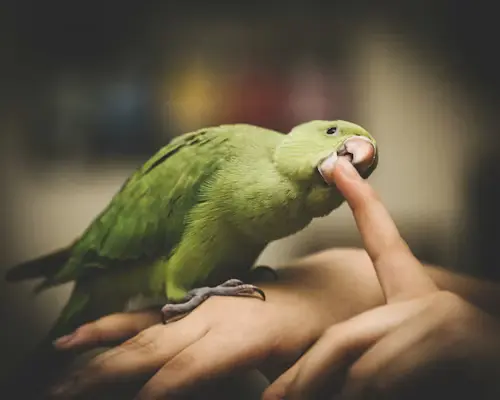
Have you ever dreamed of stepping into a world where vibrant parrots chatter overhead, rare bird species glide through lush canopies, and every path leads to a new wildlife wonder? Welcome to the jungle island parrot jungle—a place where nature’s beauty and conservation come alive. Whether you’re planning a family trip, researching bird care, or passionate about wildlife conservation, this guide will take you deep into the heart of one of Miami’s most iconic eco-adventure parks.
In this comprehensive article, you’ll discover everything you need to know about Jungle Island, from its fascinating history to its mission in bird conservation. You’ll learn about the diverse jungle island bird species that call this park home, how the team provides expert jungle island bird care, and how you can support or even adopt through jungle island bird adoption programs. Let’s begin your journey into the wild side of Miami.
Table of Contents
The Story Behind Jungle Island: From Parrot Jungle to Eco-Adventure Park
Jungle Island isn’t just a park—it’s a legacy. Founded in 1936 as Parrot Jungle by Franz Scherr, this attraction was built on a simple but revolutionary idea: birds should be able to “fly free.” Unlike traditional zoos of the time, Parrot Jungle was designed as an open-air aviary where birds could roam and interact in a naturalistic environment.
Located originally in what is now the Pinecrest area of Miami, Parrot Jungle became a beloved destination for locals and tourists alike. Visitors would marvel at colorful macaws, playful cockatoos, and majestic toucans flying overhead. The park wasn’t just about entertainment—it was about connection, education, and respect for nature.
After Hurricane Andrew in 1992 damaged the original site, the park relocated to its current home on Watson Island in 2003. Rebranded as Jungle Island, it evolved into a modern eco-adventure park while honoring its roots. Today, it stands as a symbol of resilience, innovation, and dedication to wildlife.
As you walk through the entrance today, you’re not just entering a theme park—you’re stepping into decades of history, passion, and conservation. The spirit of Parrot Jungle lives on in every chirp, squawk, and colorful feather you encounter.
What Makes Jungle Island a Unique Bird Sanctuary?
Jungle Island is more than just a bird park—it’s a sanctuary. As a jungle island bird sanctuary, it provides a safe haven for birds that have been rescued, rehabilitated, or born in human care. The park is home to over 200 species of birds from around the world, many of which are threatened or endangered in the wild.
The park’s design mimics natural ecosystems, with dense tropical vegetation, waterfalls, and open flight zones. This creates a stress-free environment where birds can exhibit natural behaviors like flying, foraging, and socializing. Unlike small cages or cramped enclosures, Jungle Island offers space, enrichment, and care that supports both physical and mental well-being.
One of the most impressive features is the free-flight aviary, where you can walk among parrots, lorikeets, and other tropical birds. It’s an immersive experience that brings you closer to nature than ever before. You might even have a curious parrot land on your shoulder!
The sanctuary also plays a critical role in rescue and rehabilitation. Birds that have been injured, orphaned, or kept in inappropriate conditions are given a second chance at life here. Some are eventually released back into the wild when possible, while others become permanent residents who help educate the public about conservation.
Discover the Diverse Jungle Island Bird Species
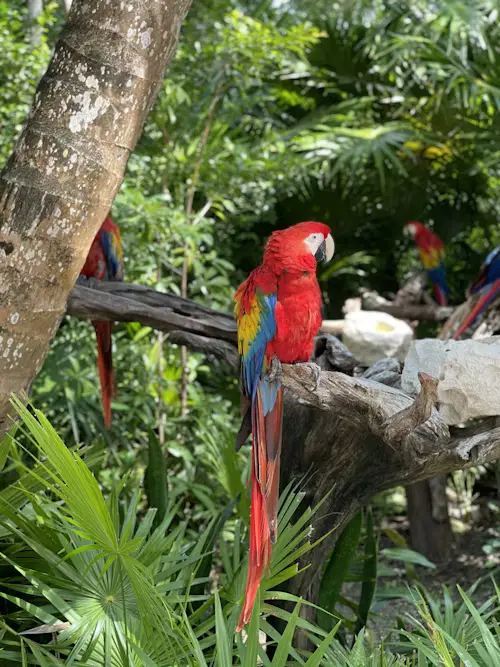
One of the most exciting aspects of visiting Jungle Island is encountering the incredible variety of jungle island bird species. From the tiniest hummingbird to the majestic harpy eagle, each species tells a story of adaptation, survival, and beauty.
Iconic Parrot Species at the Park
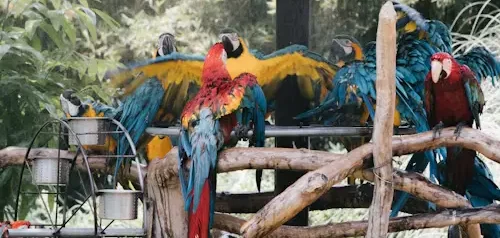
Of course, no visit to the jungle island parrot jungle would be complete without meeting the stars of the show—parrots! The park is home to a stunning collection of parrot species, including:
- Scarlet Macaw – Known for their brilliant red, yellow, and blue feathers, these large parrots are as intelligent as they are beautiful.
- Blue-and-Gold Macaw – Friendly and talkative, these birds often participate in educational shows.
- Sulphur-Crested Cockatoo – With their dramatic crests and loud calls, they’re impossible to ignore.
- Green-Winged Macaw – One of the largest macaw species, known for its deep red plumage and gentle nature.
- Hyacinth Macaw – The world’s largest parrot species, with striking cobalt-blue feathers and a powerful beak.
These parrots aren’t just on display—they’re part of the park’s ambassador program, helping visitors learn about rainforest conservation, the illegal pet trade, and what we can do to protect wild populations.
Other Remarkable Bird Species
Beyond parrots, Jungle Island is home to an array of fascinating birds, such as:
- Toucans – With their oversized, colorful bills, toucans are a favorite among kids and adults alike.
- Hornbills – These impressive birds have unique casques on their bills and play important roles in seed dispersal.
- Cranes and Herons – Elegant wading birds that add grace to the park’s wetland areas.
- Owls – Nocturnal hunters with silent flight and incredible vision, often featured in educational programs.
- Lorikeets – Small, nectar-feeding parrots that you can feed by hand during special encounters.
Each species is housed in an environment that mimics its natural habitat, ensuring they thrive while teaching visitors about biodiversity and ecosystem health.
How Jungle Island Bird Care Sets the Gold Standard
Caring for over 200 bird species is no small task. It requires expert knowledge, daily dedication, and a deep understanding of avian biology and behavior. The animal care team at Jungle Island follows strict protocols to ensure every bird receives the best possible care.
Nutrition and Diet
Just like humans, birds have specific dietary needs. A macaw’s diet is very different from a toucan’s or an owl’s. The care team prepares customized meals for each species, including:
- Fresh fruits and vegetables
- Specialized pellets and seeds
- Nectar for lorikeets and lories
- Whole prey items for raptors (like mice for owls, fed under strict safety guidelines)
All food is sourced responsibly and prepared in hygienic conditions to prevent illness and support optimal health.
Enrichment and Mental Stimulation
Birds are highly intelligent creatures that need mental stimulation to stay happy. Boredom can lead to stress, feather plucking, or aggression. To prevent this, the team provides daily enrichment activities such as:
- Puzzle feeders that challenge birds to work for their food
- Novel objects like ropes, mirrors, or safe toys
- Training sessions using positive reinforcement
- Foraging opportunities in naturalistic settings
These activities not only keep the birds active but also strengthen the bond between animals and caretakers.
Veterinary Care and Health Monitoring
Regular health checkups are essential. The park works with avian veterinarians who specialize in bird medicine. Birds are monitored daily for signs of illness, and any concerns are addressed immediately. Preventive care includes:
- Vaccinations when appropriate
- Parasite control
- Wing trims (when necessary for safety, not cosmetic)
- Beak and nail maintenance
The goal is always to promote long, healthy, and fulfilling lives for every resident.
Conservation in Action: Jungle Island Bird Conservation Efforts
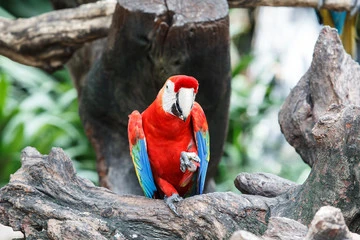
Jungle Island isn’t just about caring for birds in captivity—it’s about protecting them in the wild. The park is deeply involved in jungle island bird conservation through education, research, and partnerships with global organizations.
Protecting Endangered Species
Many of the birds at Jungle Island are part of Species Survival Plans (SSPs), which are cooperative breeding programs managed by the Association of Zoos and Aquariums (AZA). These programs help maintain genetically diverse populations of threatened and endangered species.
For example, the Spix’s Macaw—one of the rarest birds in the world—is part of an international effort to bring the species back from the brink of extinction. While Jungle Island may not house this exact species, their work supports the broader mission of parrot conservation.
Combating the Illegal Wildlife Trade
One of the biggest threats to parrots and other exotic birds is the illegal pet trade. Millions of birds are captured from the wild each year, often resulting in injury, stress, and death. Jungle Island uses its platform to educate visitors about:
- The dangers of buying wild-caught birds
- The importance of adopting from reputable rescues
- How to be a responsible bird owner
Through shows, signage, and interactive experiences, the park empowers guests to make ethical choices that protect wildlife.
Supporting Habitat Preservation
Birds need healthy forests, wetlands, and grasslands to survive. Deforestation, climate change, and pollution are destroying these habitats at an alarming rate. Jungle Island supports conservation projects that protect critical ecosystems, especially in tropical regions where biodiversity is highest.
They also promote sustainable practices within the park, such as recycling, reducing plastic use, and sourcing eco-friendly materials. Every small action adds up to make a big difference.
Can You Adopt a Bird from Jungle Island?
If you’re wondering whether you can participate in jungle island bird adoption, the answer is: it depends. Jungle Island does not typically offer direct adoptions like an animal shelter might. However, they do support bird adoption through partnerships with rescue organizations and educational programs.
Many of the birds at the park cannot be released into the wild due to injuries or imprinting on humans. These birds become ambassadors for their species, helping people connect with nature. But for birds that are healthy and capable of living in a home environment, Jungle Island works with trusted rescues to find them suitable families.
If you’re interested in adopting a bird, the park recommends:
- Contacting local parrot rescues or bird sanctuaries
- Attending adoption events hosted by the park or partners
- Learning about the responsibilities of bird ownership before adopting
Remember: birds can live for decades. A cockatiel might live 15–20 years, while a macaw can live 50 years or more. Adoption is a lifelong commitment that requires time, patience, and resources.
Planning Your Visit to Jungle Island Bird Park
Ready to experience the magic of the jungle island parrot jungle for yourself? Here’s everything you need to know to plan an unforgettable visit to this jungle island bird park.
Location and Hours
Jungle Island is located at 1111 Parrot Jungle Trail, Watson Island, Miami, FL 33132. It’s just minutes from downtown Miami and Miami Beach, making it easily accessible by car, rideshare, or public transit.
The park is open every day from 9:30 AM to 5:00 PM, with last admission at 4:00 PM. Hours may vary on holidays, so it’s best to check the official website before you go.
What to See and Do
Your visit will be packed with adventure and discovery. Must-see experiences include:
- Free-Flight Bird Show – Watch in awe as parrots, hawks, and owls demonstrate their natural flying abilities.
- Lorikeet Encounter – Feed these colorful parrots nectar from your hand and feel their soft feet on your palm.
- Jungle Splash – A water play area perfect for kids to cool off and have fun.
- Adventure Playgrounds – Climb, slide, and explore in nature-inspired play zones.
- Wildlife Encounters – Get up close with reptiles, mammals, and of course, birds.
There are also educational talks throughout the day where you can learn about bird behavior, conservation, and care from expert staff.
Tips for a Great Visit
- Wear comfortable shoes—you’ll be walking a lot!
- Bring a hat, sunscreen, and plenty of water.
- Don’t forget your camera—there will be countless photo opportunities.
- Arrive early to avoid crowds and see animals when they’re most active.
- Check the daily schedule for show times and special events.
How Jungle Island Inspires the Next Generation
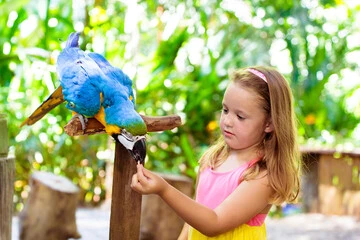
One of the most powerful aspects of Jungle Island is its ability to inspire young minds. Children who meet a parrot face-to-face are more likely to care about protecting rainforests and wildlife. The park offers school programs, summer camps, and scout workshops that combine fun with learning.
Through hands-on activities, kids learn about:
- Bird anatomy and adaptations
- Food chains and ecosystems
- The impact of human actions on wildlife
- How to be a conservation hero in their own community
These programs align with science standards and are led by passionate educators who make learning exciting. Many children leave the park inspired to become veterinarians, biologists, or conservationists.
Supporting Jungle Island: Ways to Get Involved
You don’t have to live in Miami to support Jungle Island’s mission. There are many ways to get involved, no matter where you are:
- Become a Member – Enjoy unlimited visits, discounts, and behind-the-scenes experiences while supporting conservation.
- Make a Donation – Every dollar helps fund animal care, education programs, and conservation projects.
- Adopt an Animal Symbolically – Receive adoption packets with photos and facts about your chosen animal.
- Volunteer – Help with events, education, or park maintenance (for local residents).
- Spread the Word – Follow Jungle Island on social media and share their message with friends.
Your support helps ensure that future generations can experience the wonder of birds in the wild—and in places like Jungle Island, where they are safe and cherished.
FAQs About Jungle Island Parrot Jungle
Q: What is the jungle island parrot jungle?
A: The jungle island parrot jungle refers to the immersive bird exhibits at Jungle Island in Miami, where hundreds of birds, especially parrots, live in naturalistic, free-flight environments.
Q: Is Jungle Island the same as Parrot Jungle?
A: Yes and no. Parrot Jungle was the original name when the park opened in 1936. After relocating to Watson Island in 2003, it was rebranded as Jungle Island, though the legacy of Parrot Jungle lives on.
Q: Can I touch or hold the birds at Jungle Island?
A: Yes! During certain encounters, like the lorikeet feeding experience, you can feed birds by hand. Always follow staff instructions to ensure the animals’ safety and comfort.
Q: Are the birds at Jungle Island rescued?
A: Many are. The park rescues, rehabilitates, and provides lifelong care for birds in need. Others are born in human care and serve as ambassadors for their wild counterparts.
Q: How can I help protect parrots like those at Jungle Island?
A: You can help by supporting conservation organizations, avoiding products that harm rainforests, adopting pets from rescues, and spreading awareness about the challenges wild birds face.
Conclusion: Your Adventure Awaits at Jungle Island
The jungle island parrot jungle is more than just a destination—it’s a movement. A movement to protect birds, educate the public, and reconnect people with the natural world. Whether you’re marveling at a macaw in flight, feeding a lorikeet from your hand, or learning about conservation efforts, every moment at Jungle Island is an opportunity to make a difference.
Have you visited Jungle Island or have a favorite bird memory? Share your story in the comments below—we’d love to hear from you!