How to Take Care of a Pet Bird: The Ultimate Guide

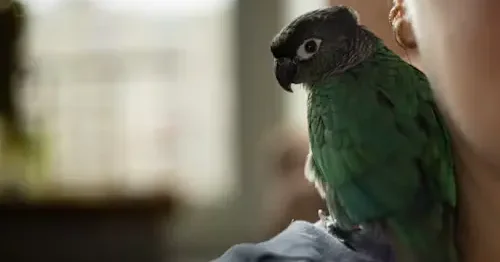
Are you ready to embark on an exciting journey into the world of pet bird ownership with our ultimate guide on how to take care of a pet bird? Bringing a feathered friend into your home can be one of the most rewarding experiences, filled with joy, companionship, and a touch of tropical paradise. But before you bring home that charming parrot or adorable canary, it’s essential to understand the ins and outs of bird care.
Welcome to the ultimate guide on how to take care of a pet bird! Whether you’re a first-time bird owner or looking to expand your avian family, this comprehensive article will walk you through everything you need to know to ensure your feathered companion lives a happy, healthy, and long life.
Table of Contents
Choosing the Right Bird Species for You
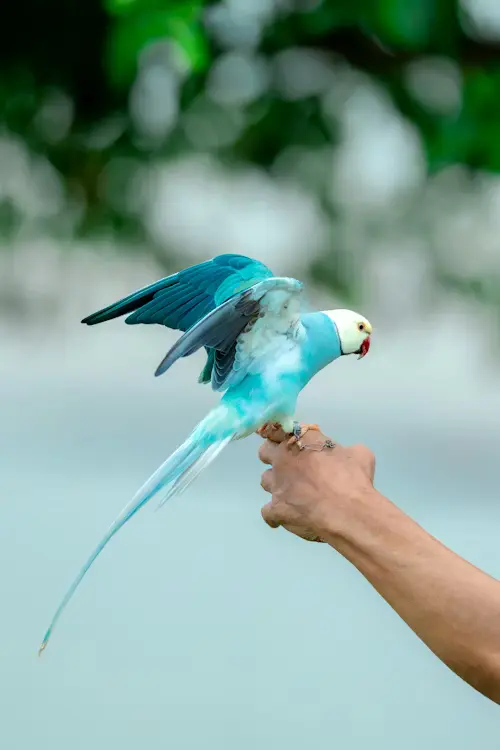
Before diving into the nitty-gritty of bird care, it’s crucial to select the right species for your lifestyle and experience level. Different birds have varying needs, temperaments, and lifespans. Let’s explore some popular pet bird options:
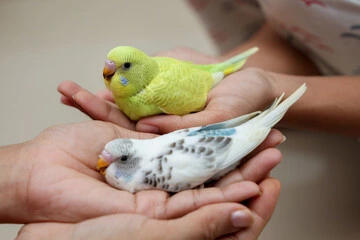
- Budgerigars (Budgies)
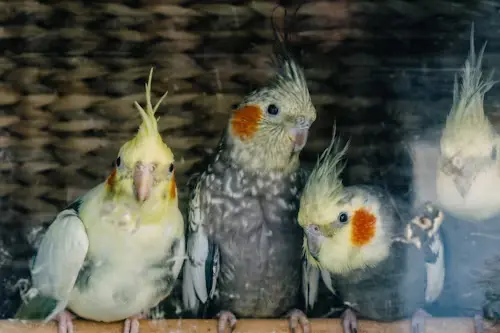
- Cockatiels
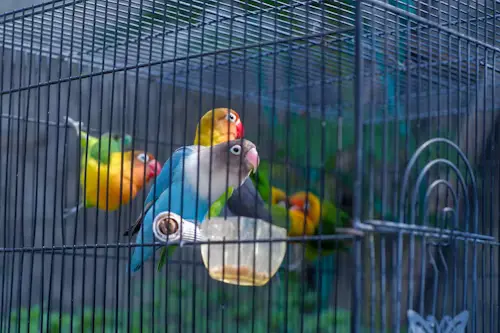
- Lovebirds
- Canaries
- Finches
- Parrotlets
- African Grey Parrots
- Macaws
Each of these species has its unique characteristics and care requirements. For beginners, smaller birds like budgies or cockatiels are often excellent choices due to their relatively easy care and friendly nature.
Setting Up the Perfect Bird Habitat
Creating a comfortable and stimulating environment for your pet bird is crucial for its well-being. Here’s what you need to consider:
- Choosing the Right Cage
Size matters when it comes to bird cages. As a general rule, the bigger, the better. Your bird should be able to spread its wings fully without touching the sides of the cage. For smaller birds like budgies, a cage measuring at least 18″ x 18″ x 18″ is suitable. Larger birds will need significantly bigger enclosures.
- Cage Placement
Birds are social creatures and thrive when they can observe and interact with their human family. Place the cage in a living room or family area where your bird can feel included in daily activities. However, avoid placing it in direct sunlight or drafty areas.
- Perches and Toys
Provide a variety of perches of different diameters to keep your bird’s feet healthy. Natural wood perches are ideal. Toys are essential for mental stimulation – rotate them regularly to keep your bird engaged.
Mastering the Art of Bird Nutrition
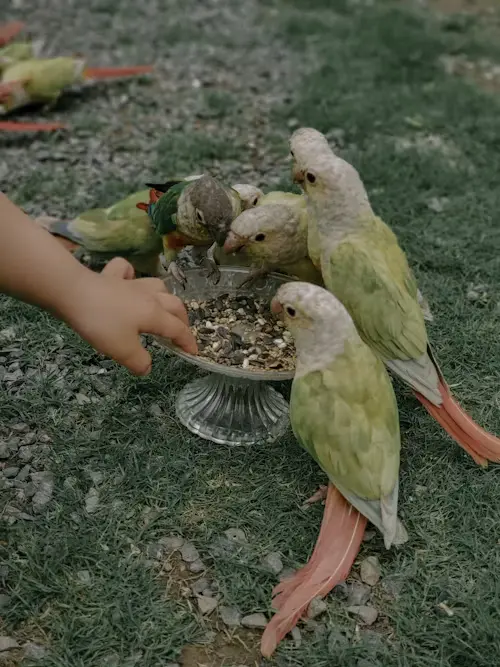
Proper nutrition is the cornerstone of good health for your pet bird. A balanced diet typically consists of:
- High-quality pellets: These should make up about 50-70% of your bird’s diet.
- Fresh fruits and vegetables: Offer a variety daily for added nutrients and mental stimulation.
- Seeds and nuts: These should be given in moderation as treats or part of a balanced seed mix.
- Clean, fresh water: Change water daily and ensure it’s always available.
Did you know that some birds, like African Grey Parrots, can live up to 50-60 years with proper care? That’s five decades of companionship, so investing in their nutrition is crucial!
Establishing a Daily Bird Care Routine
Consistency is key when it comes to caring for your feathered friend. Here’s a sample daily routine to keep your bird healthy and happy:
Morning:
- Fresh food and water
- Cage cleaning (remove soiled papers, clean food and water dishes)
- Social interaction and out-of-cage time
Throughout the day:
- Multiple short play sessions
- Fresh treats or foraging activities
- Singing or talking to your bird
Evening:
- Cover the cage for rest
- Final cage check and clean-up
Weekly:
- Full cage cleaning and disinfection
- Nail and beak check (consider a professional trimming if needed)
Monthly:
- Rotate toys and perches
- Check all toys for wear and replace if necessary
Maintaining Your Bird’s Health
Regular health checks are vital for catching any issues early. Here’s what to look out for in a healthy bird:
- Bright, clear eyes
- Clean, well-groomed feathers
- Active and alert behavior
- Normal eating and drinking habits
- Regular droppings (color and consistency can vary by species)
Some common health issues in pet birds include:
- Psittacosis
- Feather plucking
- Respiratory infections
- Nutritional deficiencies
- Aspergillosis
Regular check-ups with an avian veterinarian are crucial for maintaining your bird’s health. Aim for at least one annual visit, or more frequent if you notice any health concerns.
Bonding with Your Feathered Friend
Building a strong bond with your bird takes time, patience, and consistency. Here are some tips to strengthen your relationship:
- Spend quality time together daily
- Teach your bird simple tricks or commands
- Use positive reinforcement training
- Offer favorite treats directly from your hand
- Talk to your bird regularly – they love social interaction!
Want to know if your bird truly loves you? Check out our article on do birds love their owners for fascinating insights into bird behavior and affection.
Enrichment: Keeping Your Bird Mentally Stimulated
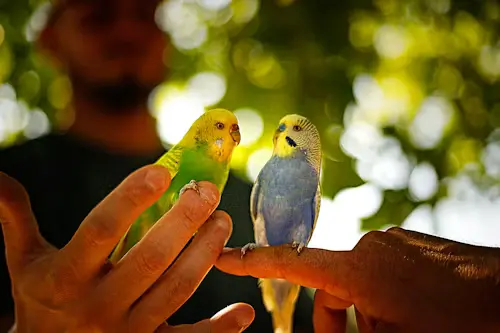
Birds are incredibly intelligent creatures that need mental stimulation to thrive. Here are some enrichment ideas:
- Foraging activities: Hide treats in paper cups or foraging toys
- Puzzle toys: Many bird-safe puzzles are available to challenge their minds
- Training sessions: Teach new tricks or commands
- Music or TV time: Many birds enjoy watching television or listening to music
- Social interaction: If you have a single bird, consider introducing a same-species friend (after proper quarantine and introduction)
Remember, a bored bird can develop behavioral issues, so keep those minds busy!
Creating the Perfect Avian Diet: Best Pet Bird Food Options
While we briefly touched on nutrition earlier, let’s dive deeper into the best food options for your feathered friend:
Pellets:
- Offer a high-quality, species-specific pellet as the base of your bird’s diet
- Look for pellets with natural ingredients and no artificial colors or preservatives
Fresh Fruits:
Apples (no seeds), bananas, berries, melons, and tropical fruits are great optionsVegetables:
Leafy greens, carrots, sweet potatoes, and bell peppers provide essential nutrientsSeeds and Nuts:
Offer as treats, not as a main diet. In the wild, birds expend much energy finding these high-fat foodsHomemade Treats:
Get creative with healthy homemade pet bird treats to add variety to your bird’s diet
Pro Tip: Always research before introducing new foods to your bird’s diet, as some human foods can be toxic to birds.
Bird Cage Cleaning Schedule: Maintaining a Healthy Environment
A clean cage is crucial for your bird’s health and happiness. Here’s a suggested cleaning schedule:
Daily:
- Change cage liner
- Clean and refill food and water dishes
- Wipe down perches and toys as needed
Weekly:
- Thoroughly clean all cage accessories
- Scrub the cage bars and base
- Check for wear and tear on toys and replace as needed
Monthly:
- Deep clean the entire cage
- Rotate or replace perches
- Inspect cage for any damage or needed repairs
Remember, a clean cage is not just about appearances – it’s vital for preventing health issues in your feathered friend.
FAQ’How to Take Care of a Pet Bird’
Q: How often should I let my bird out of its cage?
A: Ideally, allow your bird several hours of supervised out-of-cage time daily. Start with shorter periods and gradually increase as your bird becomes more comfortable.Q: Can I keep two birds together?
A: It depends on the species and individual birds’ personalities. Some birds do well in pairs or small groups, while others prefer solitude. Always introduce new birds slowly and under supervision.Q: How do I know if my bird is happy?
A: Happy birds often sing, chatter, play with toys, and show curiosity about their surroundings. They’ll also have a good appetite and maintain clean, well-groomed feathers.Q: What should I do if my bird seems sick?
A: Contact an avian veterinarian immediately. Birds often hide signs of illness until they’re quite sick, so any change in behavior warrants a professional check-up.
Conclusion
Caring for a pet bird is a rewarding journey filled with colorful personalities, cheerful songs, and endless entertainment. By following this comprehensive guide on how to take care of a pet bird, you’re well on your way to becoming an excellent bird parent. Remember, each bird is unique, and as you spend more time together, you’ll learn to understand your feathered friend’s specific needs and preferences.
Ready to start your avian adventure? With proper care, attention, and lots of love, your pet bird will bring joy to your life for many years to come. Happy birding!