Feather Plucking Fix: Best Ways to Heal Feathers Now

Introduction
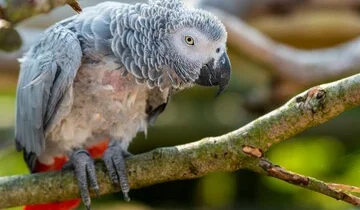
You come home one day, excited to see your feathered friend, only to be shocked by what you find. Your beautiful parrot’s chest is bare, with patches of skin peeking through where vibrant feathers should be. This is the dreaded feather plucking, and it’s breaking their heart.
Don’t despair! You’re not alone in this struggle. Many pet owners face the same challenge. But there’s hope. With the right knowledge and approach, you can help your bird overcome this destructive behavior. This guide will walk you through everything you need to know about ‘Feather Plucking Fix’ in birds and provide practical solutions to restore your feathered friend’s well-being.
Table of Contents
Understanding Bird Feather Plucking
What is feather plucking?
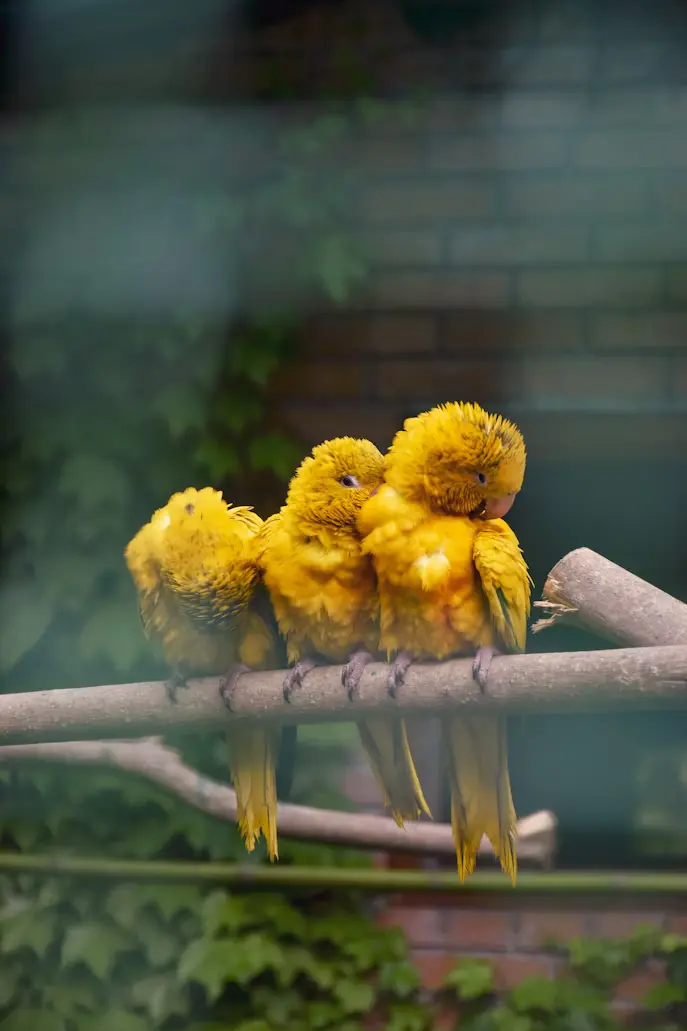
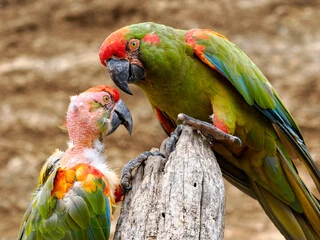
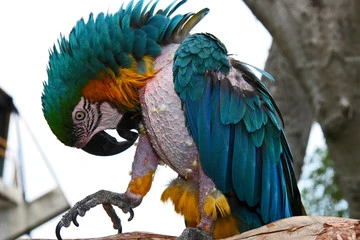
Feather plucking, also known as feather picking or self-mutilation, is a common problem in pet birds, especially parrots and parrots. It involves a bird excessively grooming, tearing, or biting its feathers, often leading to bald patches and even skin damage (see image below).
Parrot showing feather plucking behavior
Is your bird’s feather plucking an emergency?
While feather plucking isn’t usually an immediate emergency, it’s a sign that something is wrong with your birds. Here’s when to seek urgent veterinary care:
• Bleeding or raw skin
• Signs of infection (redness, swelling, discharge)
• Lethargy or loss of appetite
• Sudden onset or rapid worsening of the behavior
Even if it doesn’t seem urgent, it’s crucial to address feather plucking promptly. Left unchecked, it can become a chronic, self-perpetuating habit that’s extremely difficult to break.
Common Missteps in Managing Bird Feather Issues
Before we dive into solutions, let’s address some common mistakes bird owners make when dealing with feather problems:
- Ignoring the issue: Believing it’s just a phase that will pass.
- Overreacting: Panicking and making sudden, dramatic changes.
- Using cones or clothing: These can increase stress and worsen the problem.
- Applying topical treatments without diagnosis: Many products can be harmful if not used correctly.
- Punishing the bird: This increases stress and can make the behavior worse.
Remember, your bird isn’t plucking out of spite or malice. They’re trying to tell you something is wrong. Your job is to be a detective and find the root cause.
Main Causes of Feather Plucking in Birds
Feather plucking can have many triggers, often working in combination. Understanding these causes is the first step to finding a solution:
Medical Issues:
a) Skin infections or parasites
b) Allergies
c) Nutritional deficiencies
d) Hormonal imbalances
e) Internal pain or discomfortEnvironmental Factors:
a) Poor air quality
b) Inadequate humidity
c) Temperature extremes
d) Polluted environmentPsychological Stress:
a) Boredom or lack of stimulation
b) Loneliness or lack of socialization
c) Fear or anxiety
d) Changes in routine or environmentDietary Problems:
a) Poor nutrition
b) Food allergies or sensitivities
c) Lack of variety in diet
Feather Plucking Remedies – Solutions for Stressed Birds
Now that we understand the potential causes, let’s explore solutions to help your bird stop plucking and start feeling better:
- Environmental Enrichment:
- Provide a variety of toys (foraging, destructible, puzzle)
- Rotate toys regularly to maintain interest
- Create play areas outside the cage
- Offer natural perches of varying sizes and textures
- Nutritional Support:
- Ensure a balanced, species-appropriate diet
- Consider supplements (consult with vet first)
- Introduce a variety of fresh, bird-safe fruits and vegetables
- Ensure constant access to clean, fresh water
- Behavior Modification:
- Establish a consistent daily routine
- Increase social interaction with both humans and other birds (if appropriate)
- Use positive reinforcement training
- Provide opportunities for natural behaviors (foraging, climbing, flying in safe space)
- Stress Reduction Techniques:
- Create a calm environment with proper lighting and minimal noise
- Use soft background sounds if your bird seems anxious with complete silence
- Consider calming supplements, pheromone products or cannabidiol (CBD) products designed for birds (consult with vet first)
- Ensure adequate sleep with proper “nighttime” coverage
- Physical Health Support:
- Regular veterinary check-ups with an avian vet
- Treatment of any underlying medical conditions
- Proper wing clip (if necessary) to prevent injury while satisfying the need to move to higher psychological spaces
- Dietary Adjustments:
- Rotate a variety of bird-safe fruits and vegetables
- Introduce new and novel foods to stimulate interest
- Ensure proper gut health with probiotics during stressful periods
Remember, these solutions may need to be tailored to your specific bird’s needs. It’s often a process of trial and error to find the right combination.
Vet Tips for Feather Picking
When to consult a veterinarian:
• As soon as you notice feather plucking behavior
• If the behavior is sudden or severe
• If there are signs of skin damage or infection
• If home remedies aren’t working after several weeks
• For regular check-ups to prevent recurrence
What to expect at the vet visit:
- Thorough physical examination
- Possible skin or feather tests for infections/parasites
- Blood work to check for systemic issues
- Discussion of diet and environmental factors
- Potential prescription of medications (e.g., anti-anxiety drugs, hormone treatments)
How to find an avian veterinarian near you:
- Ask for recommendations from local bird clubs or pet stores
- Check with veterinary schools in your area
- Use online directories from organizations like the Association of Avian Veterinarians (AAV)
Creating the Right Environment for Healing
Your bird’s environment plays a crucial role in their ability to stop plucking. Here’s how to create a healing space:
• Ideal cage setup:
- Appropriate size for your bird species
- Various perch types and sizes
- Plenty of toys that can be safely destroyed
- Foraging opportunities
• Social interaction needs:
- Daily out-of-cage time in a bird-proofed area
- Positive interactions with family members
- Consider a companion bird if appropriate for your situation
• Importance of routine and consistency:
- Consistent feeding times
- Regular sleep/wake cycle
- Predictable daily interactions and out-of-cage time
• Dietary considerations:
- High-quality pelleted diet as a base
- Fresh fruits and vegetables daily
- Limited seeds and nuts as treats
- Clean, fresh water always available
How to Stop Parrot Feather Plucking Naturally
Many bird owners prefer natural approaches. Here are some options to consider:
- Natural supplements:
- Omega-3 fatty acids for skin health
- Chamomile or passionflower for anxiety
- Milk thistle for liver support (where relevant)
- Herbal remedies:
- Aloe vera gel for skin soothing (internal and external use)
- St. John’s Wort for mood support (consult vet first)
- Essential oils (use with extreme caution):
- Lavender for calming (never applied directly)
- Always consult with a vet experienced in essential oil use for birds
- Diet and nutrition:
- Increase natural sources of vitamins and minerals
- Incorporate safe “superfoods” like berries or leafy greens
Remember, natural doesn’t always mean safe. Always consult with your vet before introducing new supplements or treatments.
Success Stories: Overcoming Feather Plucking
Let’s look at some real-life examples of birds who overcame feather plucking:
- Maggie the African Grey:
- Issue: Plucking due to boredom and lack of stimulation
- Solution: Enriched environment, increased interaction, foraging toys
- Result: Feathers regrew in 6 months; now a lively, interactive bird
- Sunny the Conure:
- Issue: Plucking due to environmental allergies
- Solution: Air purifier, diet change, allergy medication
- Result: Plucked stopped immediately; full feather regrowth in 4 months
- Oliver the Macaw:
- Issue: Plucking due to hormonal changes and anxiety
- Solution: Hormonal treatment, behavior modification, owner education
- Result: Dramatic reduction in plucking; calm demeanor restored
These stories show that with patience, determination, and the right approach, it’s possible to help your feather-plucking bird recover.
Conclusion: Your Path to a Happier, Healthier Bird
Feather plucking can be a complex, frustrating issue, but with the right knowledge and approach, it’s one you can overcome. Remember:
• Patience is key – healing takes time
• A holistic approach addressing physical, environmental, and psychological factors is most effective
• Regular veterinary care is crucial
• Don’t hesitate to seek help from professionals or experienced bird owners
Your bird’s well-being is worth every effort. By implementing the strategies outlined in this guide, you’re on your way to helping your feathered friend stop plucking and start enjoying a happier, healthier life. Stay committed, stay observant, and celebrate every small victory along the way.
FAQ About ‘Feather Plucking in Birds’
Q: What is the best feather plucking fix for my parrot?
A: There’s no one-size-fits-all solution. It depends on the underlying cause. A combination of environmental enrichment, proper nutrition, and veterinary care is often most effective.
Q: How do I stop my parrot from feather plucking naturally?
A: Natural approaches include environmental enrichment, dietary changes, herbal supplements (with vet approval), and stress reduction techniques. However, always consult with a vet first to rule out medical issues.
Q: What are the main causes of bird feather loss?
A: Causes can include medical issues (like infections or allergies), environmental factors (such as poor air quality), psychological stress, and dietary problems.
Q: How can I reduce stress in my plucking bird?
A: Provide a consistent routine, enrich their environment, ensure proper nutrition, offer social interaction, and create a calm living space. Stress relief products designed for birds may also help.
Q: What vet tips can help with feather picking?
A: Vets recommend regular check-ups, addressing any underlying medical conditions, considering behavioral medications if necessary, and making environmental modifications as advised.
Remember, every bird is unique. What works for one might not work for another. The key is to be observant, patient, and willing to try different approaches under the guidance of an avian veterinarian. Your dedication could make all the difference in your bird’s quality of life.