Double Yellow Headed Amazon Parrot for Sale: How to Own Happy One

Introduction: The Allure of the Double Yellow Amazon
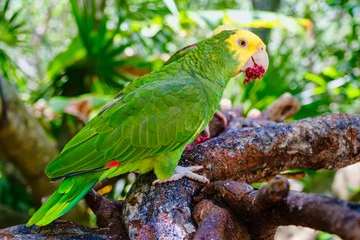
The moment you lock eyes with a Double Yellow Headed Amazon Parrot for Sale is magical, with its bright yellow head contrasting its green body. Bringing one home means gaining a lifelong companion, as these parrots can live up to 60 years or more. Whether you’re a first-time owner or an experienced bird enthusiast, this guide will help you understand their needs and personality. Sarah bought her Double Yellow Headed Amazon Parrot for Sale, Pedro, from a reputable breeder five years ago and quickly realized his talking ability was just the beginning. Pedro’s rich personality and expanding vocabulary made him part of the family.
Table of Contents
Understanding the Double Yellow Amazon
Physical Characteristics and Natural Habitat
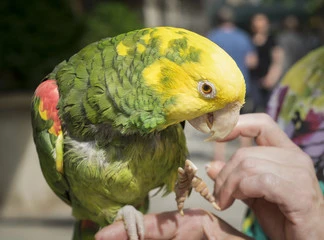
The double yellow headed amazon (Amazona oratrix) is one of the most visually striking parrots in the Amazon family. As the name suggests, they boast distinctive bright yellow feathers covering their head and upper chest, which dramatically contrasts with their green body plumage. Their wings often feature red and blue patches, and their beaks are typically horn-colored with a darker tip.
Native to the coastal regions of Mexico, Belize, and Guatemala, these birds flourish in tropical and subtropical environments. In the wild, they inhabit mangrove swamps, evergreen forests, and savanna woodlands, where they form large flocks and communicate with their impressive vocal abilities.
Double yellow amazon specimens typically measure between 15-17 inches in length and weigh around 14-20 ounces when fully mature. Their lifespan in captivity ranges from 40 to 80 years, depending on the quality of care they receive. This longevity means when you bring a double yellow home, you’re committing to potentially six to eight decades of care—comparable to raising a child!
The Intelligence Factor
What sets double yellow amazons apart from many other bird species is their exceptional intelligence. They rank among the most intelligent parrots, demonstrating problem-solving skills,记忆力, and the ability to understand complex human language. This intelligence is precisely what makes them such fascinating companions but also demands significant mental stimulation to prevent boredom and behavioral issues.
Many owners report that their double yellow amazons can learn hundreds of words and phrases, often using context-appropriately. They can also perform complex tricks, recognize shapes and colors, and demonstrate emotional intelligence through their interactions with humans. This cognitive ability means that when you welcome a double yellow into your life, you’re gaining a companion that will constantly surprise and delight you with their mental capabilities.
Double Yellow Amazon Price: What to Expect When Looking to Buy
When searching for a double yellow headed amazon for sale, price is often one of the first considerations. The cost of these magnificent birds can vary significantly based on several factors.
Market Price Ranges
The typical price range for a double yellow headed amazon parrot generally falls between $1,500 and $5,000. However, several factors influence this price range, and understanding these can help you make an informed decision when purchasing your new companion.
| Age Category | Price Range | Characteristics |
|---|---|---|
| Baby Parrot (3-18 months) | $1,500 – $2,800 | Hand-fed, weaned, beginning to socialize |
| Juvenile (19-35 months) | $2,000 – $3,500 | Developing adult plumage, potentially starting to talk |
| Adult (3-6 years) | $2,500 – $4,200 | Fully mature, may have established vocabulary |
| Mature Bird (6+ years) | $3,000 – $5,000 | Well-developed personality, extensive vocabulary possible |
As one Facebook user shared in 2024: “I went to Petland today to look at birds and came across a Lilac crowned Amazon for $5000 and an Orange Winged Amazon for $5000.” While not a double yellow, this illustrates the premium pricing some specialty parrots command in pet stores.
Factors Affecting Price
- Age: Younger birds between 6 months to 2 years generally command higher prices as they’re easier to train and socialize.
- Source: Reputable breeders typically charge more than pet stores, but offer health guarantees and better socialization.
- Training: Birds with existing vocabulary or trick training can cost 20-40% more than untrained counterparts.
- Coloration: While all double yellows have yellow heads, the intensity and vibrancy can vary, affecting price.
- Temperament: Well-socialized, calm birds often cost more than those showing behavioral issues.
Where to Purchase
When looking for your double yellow headed amazon, consider these options:
- Specialized Breeders: Often provide the healthiest, well-socialized birds but may require travel or shipping.
- Avian Rescues: Offer adoption at lower prices ($300-$800), though you may miss out on the early bonding experience with a baby bird.
- Reput Pet Stores: Convenient but often charge higher prices and may offer less information about the bird’s history.
One breeder advertisement from 2025 stated: “Double Yellow Head Amazon Parrots for sale at $2800 each. Age: (Baby 3-18 months) (Juvenile 19-35 months) (Adult 3-6 years). Age varies, depending which bird is…”
For those considering online purchases, ensure proper arrangements for veterinary examination upon arrival and understand the quarantine requirements before introducing a new bird to your home.
Double Yellow Amazon Care: Creating the Perfect Environment
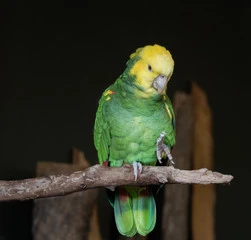
Proper care is the foundation of a healthy, happy double yellow headed amazon. These birds require attentive care in multiple aspects of their lives, from housing to nutrition to healthcare. Understanding these needs before bringing your new companion home is essential.
Housing Requirements
The cage you select for your double yellow is one of the most significant investments you’ll make. Given their size and active nature, they require substantial space to move, climb, and play.
- Minimum Cage Size: 4 feet wide by 4 feet deep by 6 feet tall is recommended for permanent housing
- Bar Spacing: 3/4 to 1 inch to prevent escaping or injury
- Material: Stainless steel is ideal as it’s durable and chew-resistant
The cage should include multiple perches of varying diameters (1-2 inches) to promote foot health. Position food and water dishes away from perches to prevent contamination from droppings.
Temperature and Humidity Controls
Double yellow amazons originate from tropical regions and thrive in environments that mimic their natural habitat.
- Temperature: Maintain between 65-85°F (18-29°C) consistently. Avoid sudden temperature changes.
- Humidity: Keep between 40-60% to prevent respiratory issues and feather problems
- Ventilation: Ensure good air circulation without drafts
Place the cage away from direct sunlight, heating vents, and air conditioning units to maintain stable environmental conditions.
Exercise and Enrichment Needs
Without adequate exercise and mental stimulation, your double yellow may develop behavioral issues. These active birds require:
- Minimum 3-4 hours daily outside cage time
- Varied toys that can be rotated weekly (foraging toys, puzzle feeders, chewable items)
- Regular interaction with family members
Double yellow amazon care should also include opportunities for flight in a safe environment. If allowing flight outside the cage, ensure the room is bird-proofed by covering windows, removing toxic plants, and securing dangerous items.
Health Monitoring and Veterinary Care
Regular health monitoring is crucial for detecting potential issues early. Watch for:
- Changes in appetite or water consumption
- Abnormal droppings (color, consistency, frequency)
- Feather plucking or excessive preening
- Discharge from eyes or nostrils
- Changes in vocalization or activity levels
Establish a relationship with an avian veterinarian before bringing your bird home, and schedule annual wellness exams. Be prepared for emergency situations, as birds instinctively hide illness until they’re visibly sick.
Double Yellow Amazon Nutrition: Fueling a Healthy Life
Proper nutrition is critical for your double yellow’s health, longevity, and vibrant plumage coloration. Establishing a balanced diet from the beginning sets the foundation for optimal health throughout their potentially 80-year lifespan.
Primary Diet Components
A well-rounded diet for your double yellow amazon should include:
High-Quality Pellets (50-60% of diet)
- Fortified with vitamins and minerals
- Species-specific formulations preferred
- Examples: Harrison’s, Roudybush, TOP’s
Fresh Vegetables (20-30% of diet)
- Leafy greens: kale, spinach, romaine (iceberg has minimal nutritional value)
- Other vegetables: carrots, bell peppers, broccoli, sweet potatoes
- Should be offered raw or lightly steamed
Limited Fruits (5-10% of diet)
- Berries, apples, pears, melons (remove seeds/pits)
- Serve in moderation due to high sugar content
Healthy Proteins (5-10%)
- Legumes: cooked beans and lentils
- Small amounts of cooked eggs, lean chicken, or fish
Recommended Feeding Schedule
Establishing a consistent feeding routine helps regulate your bird’s eating habits and prevents obesity:
- Morning: Pellets and fresh vegetables
- Midday: Small treat portion (fruit or protein)
- Evening: Vegetables and foraging opportunities
Remove uneaten fresh foods after 2-3 hours to prevent bacterial growth.
Foods to Avoid
Certain foods are toxic to double yellow amazons and should never be offered:
- Chocolate, caffeine, alcohol
- Avocado (highly toxic)
- Onions, garlic, chives
- Fruit seeds and pits
- High-salt, high-sugar, and high-fat human foods
- Artificial sweeteners
| Category | Safe Foods | Foods to Avoid |
|---|---|---|
| Vegetables | Broccoli, carrots, bell peppers, beans | Onion, garlic, mushroom |
| Fruits | Apples, berries, melons (remove pits/seeds) | Avocado, cherry pits |
| Grains | Brown rice, quinoa, whole grain bread | White bread, alcohol |
| Proteins | Cooked eggs, chicken, lentils | Fatty meats, raw meat |
Water and Hydration
Clean, fresh water is essential. Change water daily and wash containers thoroughly to prevent bacterial buildup. Consider using water bottles in addition to bowls, as some birds prefer drinking from this style container.
A proper double yellow amazon diet not only affects physical health but also influences feather quality, cognitive function, and overall temperament. Monitor your bird’s weight regularly and adjust food portions as needed to maintain optimal body condition—visible breastbone without prominent hip bones indicates proper weight.
Double Yellow Amazon Lifespan: Planning for a Lifetime Commitment
When you welcome a double yellow headed amazon into your home, you’re making a potentially century-long commitment. Understanding their lifespan and the factors that influence it helps prepare you for this extraordinary journey.
Lifespan Expectations
Double yellow amazon parrots are among the longest-lived companion birds:
- Average Lifespan: 40-60 years in captivity with proper care
- Documented Maximum: Up to 80+ years in optimal conditions
- Wild Lifespan: Typically shorter due to environmental factors and predators
As one touching Facebook post from 2025 illustrates: “I hope people realize your sweet bird could easily live to be 65. That is how old our double yellow head amazon was when she passed. It is a…”
This post highlights the important reality that these birds often outlive their owners’ initial expectations. Planning for this longevity requires careful consideration of what would happen to your bird if something happens to you.
Factors Affecting Lifespan
Several key factors influence how long your double yellow will live:
- Genetics: Birds from reputable breeders with strong health backgrounds often live longer.
- Diet Quality: Balanced nutrition throughout life significantly impacts lifespan.
- Veterinary Care: Regular check-ups and prompt attention to health issues.
- Environmental Quality: Safe, stimulating environment without chronic stress.
- Exercise: Adequate physical activity prevents obesity and related health problems.
- Social Interaction: Mental stimulation prevents depression and associated health decline.
Age-Related Care Considerations
Caring for a double yellow amazon changes significantly over their lifespan:
Young Birds (0-5 years)
- Focus on socialization and training
- Establish healthy dietary habits
- Provide extensive mental stimulation
Adult Birds (5-30 years)
- Maintain consistent care routines
- Monitor for reproductive behaviors
- Watch for age-related nutritional needs
Senior Birds (30+ years)
- More frequent veterinary check-ups
- Adjust diet for slower metabolism
- Provide easier access to food and water
- Modify cage setup for potential mobility issues
Planning for the Future
The extraordinary lifespan of double yellows necessitates thoughtful planning:
- Legal Arrangements: Include your bird in your will, specifying care instructions and caregiver
- Financial Provisions: Set aside funds for potential specialized veterinary care
- Identify a Caregiver: Choose someone knowledgeable about parrot care who would be willing to take your bird
- Consider Adoption Organizations: Many rescues have “return clauses” that ensure your bird has a home if you can no longer care for them
When bringing home your double yellow headed amazon parrot for sale, remember that you’re beginning a relationship that could span multiple generations. This long-term perspective should influence every decision you make regarding your bird’s care, from where they live to who socializes with them.
Double Yellow Amazon Personality: Understanding Your Feathered Companion
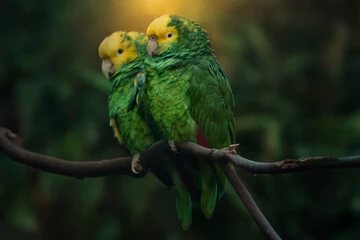
The personality of a double yellow headed amazon is perhaps their most endearing quality. These birds possess complex emotional and cognitive capabilities that allow them to form deep bonds with their human companions. Understanding their natural behaviors helps facilitate a harmonious relationship.
Temperament Characteristics
Double yellows are known for their bold, outgoing personalities:
- Playful: They maintain a playful nature throughout adulthood
- Confident: Unlike some shy parrot species, double yellows typically approach new situations with confidence
- Independent: While they form strong bonds, they’re generally more independent than cockatoos or African greys
- Expressive: Their body language and vocalizations clearly communicate their emotions
These personality traits make double yellows excellent for families who want an interactive but relatively independent companion that doesn’t require constant attention.
Intelligence and Learning Capacity
Their remarkable intelligence manifests in various ways:
- Problem-solving abilities to access food and toys
- Excellent mimicking skills that extend to context-appropriate word usage
- Memory that allows them to remember events, people, and words for decades
- Emotional intelligence that enables them to respond to human moods appropriately
One owner shared: “My double yellow has developed a vocabulary of over 200 words and phrases. What’s remarkable is that he uses them appropriately in context—he says ‘hello’ when someone enters the room, ‘goodbye’ when they leave, and ‘want shower’ when it’s bath time.”
Social Development and Needs
Social development occurs in distinct stages:
Juvenile Stage (0-2 years)
- Highly adaptable to new experiences
- Critical for establishing trust with humans
- Beneficial from exposure to various people and situations
Adolescent Stage (2-5 years)
- May go through a nippy or testing phase
- More independent but still requires social interaction
- Benefits from consistent boundaries and training
Adult Stage (5+ years)
- Established personality and social preferences
- Stronger bonds with primary caregivers
- More selective about human interactions
Providing appropriate socialization throughout these stages helps develop a well-adjusted, confident adult bird.
Vocalization and Talking Ability
Double yellow amazons are among the best talking Amazon parrots:
- Clarity of speech often exceeds other Amazon species
- Can develop extensive vocabularies (50-500+ words documented)
- Natural inclination to sing and whistle
- May develop yelling behaviors if not properly trained
Their vocal abilities require thoughtful management:
- Set boundaries regarding appropriate vocalization times
- Provide adequate stimulation to prevent boredom-related noise
- Never reward screaming with attention
Compatibility with Families and Other Pets
Double yellows can integrate well into various household structures:
With Children
- Generally good with children who respect boundaries
- Supervision essential until bird and child establish mutual respect
- Teaching children proper bird handling is crucial
With Other Pets
- Can coexist with well-behaved dogs and cats
- Never leave unsupervised initially
- Gradual introduction process recommended
Double Yellow Amazon Adoption: Providing a Loving Home to a Bird in Need
When searching for a double yellow headed amazon, adoption offers a rewarding alternative to purchasing from breeders or pet stores. By choosing adoption, you’re not only gaining a remarkable companion but providing a second chance to a bird in need.
Benefits of Adoption
Adopting a double yellow amazon offers numerous advantages:
- Cost-Effective: Adoption fees ($300-$800) are significantly lower than purchase prices
- Adult Temperament Known: You’ll have a clearer understanding of the bird’s personality
- Rescue from Unhealthy Conditions: Many adopted birds come from neglectful situations
- Saving a Life: You’re directly addressing the overpopulation crisis in avian rescue
One Facebook post from 2025 highlights this point: “Double Yellow Head Amazon Parrot available. 5 years old Male, located in Barboursville West Virginia. 304-617-3653.” This shows that available birds through adoption channels exist for those willing to provide homes.
Where to Find Adoptable Birds
Several resources can connect you with double yellow amazons available for adoption:
- Avian Rescues: Specialized organizations focused on parrot welfare
- General Animal Shelters: Increasingly bird-savvy facilities
- Online Adoption Platforms: Websites like Avian Adoption and Parrot Re-homing
- Social Media Groups: Dedicated communities for re-homing parrots
- Veterinary Practices: Often aware of birds needing new homes
The Adoption Process
The adoption process typically involves several steps:
- Application: Detailed form about your experience, home environment, and knowledge
- Home Visit: Evaluation of your living space and bird safety measures
- Meet and Greet: Interaction with potential birds to assess compatibility
- Adoption Fee: Payment that helps support the rescue organization
- Follow-up: Supportive check-ins after adoption
Most reputable rescues require these steps to ensure successful, lasting matches between birds and adopters.
Costs Associated with Adoption
While adoption fees are lower, consider these additional costs:
- Veterinary Exam: $150-$300 for health assessment
- Cage Setup: $500-$1,500 for appropriate housing
- Initial Supplies: $200-$400 for food, toys, and accessories
- Potential Medical Issues: undisclosed health problems may emerge
Success Stories from Adopters
Many adopters report extraordinary bonds with their rescued double yellows:
“Chester was 8 years old when we adopted him from a rescue two years ago. He had been in three previous homes due to behavioral issues. With patience and consistency, he’s transformed into an affectionate family member who interacts positively with our grandchildren.” – Mark, Florida
“When we adopted Mango, the rescue warned us he was aggressive and probably unadoptable. Six months later, he’s become one of the sweetest birds we’ve ever had. The key was understanding his trauma and giving him space to heal.” – Jessica, California
Double Yellow Amazon Training: Building a Strong Foundation
Training is one of the most rewarding aspects of double yellow amazon ownership. These intelligent birds respond well to positive reinforcement techniques and can develop impressive skills with consistent, patient training.
Basic Training Techniques
Training should begin immediately when you bring your double yellow headed amazon for sale into your home:
Target Training: Teach your bird to touch a target stick with its beak
- Start by placing the stick near the bird
- When they investigate, immediately reward
- Gradually increase distance and complexity
Step-Up Training: Essential for handling
- Place your hand slightly above their feet
- Use a verbal command like “step up”
- Reward compliance with praise or treat
Cage Training: Teach to enter and exit cage willingly
- Use high-value rewards for compliance
- Make cage a positive space with special toys
Teaching Tricks and Commands
Double yellows excel at learning various tricks and commands:
- Roll Over: Use target stick to guide movement
- Fetch: Start with retrieving favorite toys
- Wave: Target foot lifting and rewarding
- Play Dead: Gradual approximation of lying down
These advanced tricks strengthen your bond while providing essential mental stimulation.
Behavioral Challenges and Solutions
Certain behaviors may require special attention:
Nipping/Biting
- Understand triggers (fear, territoriality, excitement)
- Use “gentle” command and reward soft beaking
- Consistently withdraw attention after bites
Screaming
- Identify triggers (attention-seeking, boredom, fear)
- Reward quiet behavior consistently
- Provide appropriate outlets for vocalization
Feather Plucking
- First rule out medical causes with avian vet
- Increase environmental enrichment
- Address potential stressors in the bird’s life
Socialization Methods
Proper socialization prevents fear-based behaviors:
- Environmental Exposure: Gradual introduction to new people, places, and situations
- Novel Object Introduction: Toys, textures, and challenges
- Family Integration: Positive interactions with all household members
- Other Animals: Supervised introductions to compatible pets
Avoid overwhelming your bird with too many new experiences simultaneously. Monitor their stress levels and adjust accordingly.
Advanced Training Opportunities
For those interested in more advanced training:
- Vocal Training: Shape specific sounds and words
- Problem-Solving Puzzles: Create and forage toys
- Trick Training Complex Sequences: Chain multiple behaviors
- Harness Training: For safe outdoor exploration
One Facebook user shared: “If you have a double-headed Amazon, they are known to be one of the species that tends to be better at talking and singing. Does it sound like your bird?”
Training your double yellow amazon requires patience, consistency, and understanding. Remember that these birds are intelligent individuals with their own preferences and learning styles. Celebrate small victories and maintain realistic expectations about what your bird can achieve.
Frequently Asked Questions About Double Yellow Headed Amazon Parrots
What should I expect when looking for a double yellow headed amazon parrot for sale?
When searching for these birds, expect prices between $1,500-$5,000 depending on age, training, and source. Reputable breeders will provide health guarantees and socialization records. Always verify the bird’s living conditions before purchase and arrange for a veterinary examination shortly after bringing your bird home.
How much does a double yellow amazon typically cost?
Double yellow amazons range from $1,500 for younger birds to $5,000 for highly trained adults. Factors affecting price include age, vocabulary size, training level, color vibrancy, and the reputation of the seller. Younger birds (3-18 months) typically cost $1,500-$2,800, while adults can command $3,000-$5,000.
What special care requirements do double yellow amazons have?
These intelligent birds require substantial mental stimulation, varied diets, and large living spaces. They need 3-4 hours daily outside cage time, regular social interaction, and a variety of toys to prevent boredom. Their diet should include pellets, fresh vegetables, limited fruits, and occasional proteins. They also thrive in environments with stable temperatures (65-85°F) and moderate humidity (40-60%).
Conclusion: The Journey Ahead with Your Double Yellow Amazon
Bringing a double yellow headed amazon into your life represents the beginning of an extraordinary journey—one that could span six decades or more. These magnificent birds offer unparalleled companionship, intelligence, and personality that enrich the lives of those willing to meet their unique needs.
[Start your parrot journey today by exploring our available double yellow headed amazons or learning more about proper parrot care!]