Do Birds Get Cold? Ultimate Proven Protection Tips

Imagine waking up on a frosty winter morning, the world outside blanketed in white, and you see a small bird perched on a bare branch, its feathers puffed up against the chill. Your heart might skip a beat—how can such a delicate creature survive the biting cold? This scene is not just a winter wonder; it’s a daily reality for countless birds, both wild and domestic. As a bird enthusiast, you’ve probably found yourself wondering, “do birds get cold?” This question is more than a passing curiosity—it’s a gateway to understanding the remarkable resilience of our feathered companions and how we can help them thrive, even in the harshest conditions.
Whether you’re a seasoned birder who enjoys spotting rare species in your backyard, a pet owner concerned about your parrot’s comfort during winter nights, or someone who simply marvels at the beauty of birds, this guide is tailored for you. Birds are not just creatures of the sky; they are intricate beings with complex behaviors, physiological adaptations, and emotional needs. Understanding how they cope with cold weather is essential for their well-being and for fostering a deeper connection with nature.
Table of Contents
The Science of Bird Thermoregulation: How Birds Stay Warm
Birds, like all warm-blooded animals, maintain a constant internal body temperature, a process known as thermoregulation. This ability is crucial for their survival, especially in cold environments. Unlike mammals, birds have a higher metabolic rate, which means they generate more heat relative to their body size. This metabolic heat is the primary source of warmth for birds, and it’s regulated through a complex interplay of physiological and behavioral adaptations.
One of the most remarkable features of bird thermoregulation is their ability to control blood flow to their extremities. Birds have a specialized circulatory system that allows them to minimize heat loss through their feet and legs. This is achieved through a countercurrent heat exchange system, where warm blood flowing from the body core to the feet passes close to cold blood returning from the feet to the body. This process allows heat to be transferred from the outgoing warm blood to the incoming cold blood, effectively warming the returning blood and cooling the departing blood. As a result, the bird’s feet remain cool, reducing heat loss, while the body core stays warm.
Another key adaptation is the bird’s plumage. Feathers are not just for flight; they are also excellent insulators. Birds fluff up their feathers to trap air close to their bodies, creating a layer of insulation that helps retain body heat. This is why you often see birds looking puffed up on cold days. Additionally, birds can adjust the position of their feathers to regulate the amount of air trapped, allowing them to fine-tune their insulation based on the temperature.
Birds also have behavioral adaptations to cope with cold weather. For example, they may seek shelter in dense vegetation, tree cavities, or even human-made structures like birdhouses. Some species, like finches, huddle together in groups to share body heat, a behavior known as communal roosting. This collective warmth can make a significant difference in their ability to survive cold nights.
Furthermore, birds can alter their metabolism to generate more heat when needed. This is particularly important during the night when temperatures drop and food is scarce. Birds may enter a state of torpor, a temporary reduction in metabolic rate and body temperature, to conserve energy. While this might seem counterintuitive, torpor allows birds to survive periods of extreme cold by reducing their energy requirements.
Understanding these adaptations is the first step in recognizing how birds cope with cold weather. However, it’s important to note that while birds are well-equipped to handle cold temperatures, they are not invincible. Extreme weather conditions, lack of food, and inadequate shelter can still pose significant challenges. In the following sections, we’ll explore the signs that indicate a bird is struggling with the cold and what you can do to help.
Do Pet Birds Get Cold at Night? Understanding the Vulnerabilities of Domestic Birds
While wild birds have evolved to survive in a variety of climates, pet birds often face different challenges when it comes to cold weather. Unlike their wild counterparts, pet birds may not have the same opportunities to seek natural shelter or find adequate food sources. This makes them more susceptible to the effects of cold temperatures, especially during the night when temperatures drop and activity levels decrease.
One of the primary concerns for pet bird owners is whether their birds get cold at night. The answer is yes—pet birds can indeed feel the cold, and they may struggle to maintain their body temperature if their environment is not properly managed. This is particularly true for species that originate from tropical or subtropical regions, such as parrots, finches, and canaries. These birds are not naturally adapted to cold climates and may require additional care to stay warm during the winter months.
The signs that your pet bird is cold can be subtle, but they are important to recognize. A bird that is too cold may appear lethargic, with its feathers fluffed up and its body hunched over. It may also shiver, which is a sign that it is trying to generate heat through muscle activity. In some cases, a cold bird may tuck its head under its wing or stand on one leg to minimize heat loss. If you notice any of these behaviors, it’s important to take action to warm your bird and prevent further discomfort.
One of the most effective ways to keep your pet bird warm at night is to ensure that its cage is placed in a suitable location. Avoid placing the cage near windows, doors, or air vents where drafts can occur. Instead, choose a spot that is away from direct sunlight and drafts, but still allows for adequate ventilation. You may also consider using a cage cover to provide additional insulation, but be sure to remove it during the day to allow for proper airflow.
Another important consideration is the temperature of the room where your bird is kept. Most pet birds are comfortable at temperatures between 65°F and 80°F (18°C to 27°C). If the temperature in your home drops below this range, you may need to use a space heater or other heating device to maintain a consistent temperature. However, be cautious when using heating devices, as they can pose a fire hazard if not used properly. Always follow the manufacturer’s instructions and keep the device away from the bird’s cage.
In addition to maintaining a warm environment, it’s important to provide your bird with a balanced diet that supports its energy needs. Birds require more calories during the winter months to generate heat and maintain their body temperature. Offer your bird a variety of fresh fruits, vegetables, and high-quality bird food to ensure it has the nutrients it needs to stay healthy and warm.
Finally, consider providing your bird with additional sources of warmth, such as a heat lamp or a heated perch. These devices can be particularly helpful for birds that are recovering from illness or injury, as they may have a reduced ability to regulate their body temperature. However, it’s important to use these devices under the guidance of a veterinarian, as improper use can lead to burns or other injuries.
By understanding the vulnerabilities of pet birds and taking proactive steps to keep them warm, you can help ensure that your feathered friend stays healthy and comfortable throughout the winter months. In the next section, we’ll explore the specific challenges faced by different bird species and how you can tailor your care to meet their unique needs.
Do Parrots Feel Cold in Winter? The Unique Needs of Tropical Birds
Parrots are among the most popular pet birds, known for their vibrant colors, intelligence, and ability to mimic human speech. However, these tropical birds face unique challenges when it comes to cold weather. Originating from warm climates, parrots are not naturally adapted to survive in cold environments, making them particularly vulnerable during the winter months.
One of the key factors that make parrots susceptible to cold is their high metabolic rate. Parrots are active, energetic birds that require a lot of energy to maintain their body temperature and support their daily activities. When the temperature drops, their bodies must work harder to generate heat, which can lead to increased stress and a higher risk of illness. This is why it’s crucial to provide parrots with a warm, stable environment during the winter.
The signs that a parrot is feeling cold can be similar to those seen in other bird species, but they may also exhibit specific behaviors that indicate discomfort. A cold parrot may fluff up its feathers, tuck its head under its wing, or stand on one leg to conserve heat. It may also become less active, appear lethargic, or lose its appetite. In some cases, a cold parrot may start to shiver, which is a clear sign that it is struggling to maintain its body temperature.
To help your parrot stay warm during the winter, it’s important to create a comfortable and stable environment. Start by placing the cage in a location that is away from drafts, windows, and doors. Avoid placing the cage in direct sunlight, as this can cause temperature fluctuations that may be harmful to your bird. Instead, choose a spot that receives indirect light and maintains a consistent temperature.
Another important consideration is the use of a cage cover. Covering the cage at night can help retain heat and provide your parrot with a sense of security. However, it’s important to remove the cover during the day to allow for proper ventilation and to prevent your bird from becoming too warm. If you choose to use a cage cover, make sure it is made of a breathable material and does not obstruct your bird’s view of its surroundings.
In addition to providing a warm environment, it’s important to ensure that your parrot has access to a balanced diet that supports its energy needs. Parrots require a variety of fresh fruits, vegetables, and high-quality bird food to maintain their health and well-being. During the winter months, you may need to increase the amount of food you offer to help your bird generate the extra heat it needs to stay warm.
Another option to consider is the use of a heat lamp or a heated perch. These devices can provide additional warmth and help your parrot maintain its body temperature, especially during the night when temperatures are at their lowest. However, it’s important to use these devices under the guidance of a veterinarian, as improper use can lead to burns or other injuries.
Finally, it’s important to monitor your parrot’s behavior and health during the winter months. If you notice any signs of illness or discomfort, such as changes in appetite, behavior, or droppings, it’s important to seek veterinary care as soon as possible. Early intervention can make a significant difference in your bird’s recovery and overall well-being.
By understanding the unique needs of parrots and taking proactive steps to keep them warm, you can help ensure that your feathered friend stays healthy and happy throughout the winter. In the next section, we’ll explore the challenges faced by finches and other small bird species, and how you can provide them with the care they need to thrive.
Do Finches Get Cold Easily? The Vulnerability of Small Bird Species
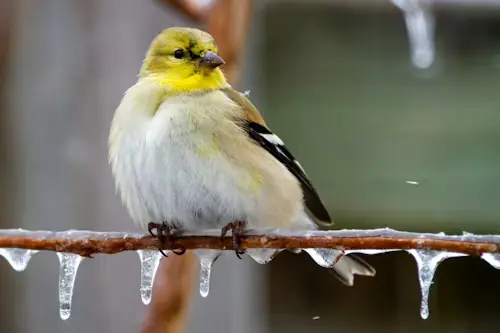
Finches are among the smallest and most delicate bird species, making them particularly vulnerable to cold weather. These tiny birds have a high surface area-to-volume ratio, which means they lose heat more quickly than larger birds. This, combined with their small size and high metabolic rate, makes finches especially susceptible to the effects of cold temperatures.
One of the primary challenges for finches is maintaining their body temperature during the night when temperatures drop and activity levels decrease. Unlike larger birds, finches do not have the same ability to store fat reserves, which means they must rely on their metabolic heat to stay warm. This can be particularly challenging during extended periods of cold weather, when food sources may be scarce and energy demands are high.
The signs that a finch is cold can be subtle, but they are important to recognize. A cold finch may appear lethargic, with its feathers fluffed up and its body hunched over. It may also shiver, which is a sign that it is trying to generate heat through muscle activity. In some cases, a cold finch may tuck its head under its wing or stand on one leg to minimize heat loss. If you notice any of these behaviors, it’s important to take action to warm your bird and prevent further discomfort.
One of the most effective ways to keep finches warm is to provide them with a suitable environment. This includes placing their cage in a location that is away from drafts, windows, and doors. Avoid placing the cage in direct sunlight, as this can cause temperature fluctuations that may be harmful to your bird. Instead, choose a spot that receives indirect light and maintains a consistent temperature.
Another important consideration is the use of a cage cover. Covering the cage at night can help retain heat and provide your finch with a sense of security. However, it’s important to remove the cover during the day to allow for proper ventilation and to prevent your bird from becoming too warm. If you choose to use a cage cover, make sure it is made of a breathable material and does not obstruct your bird’s view of its surroundings.
In addition to providing a warm environment, it’s important to ensure that your finch has access to a balanced diet that supports its energy needs. Finches require a variety of fresh fruits, vegetables, and high-quality bird food to maintain their health and well-being. During the winter months, you may need to increase the amount of food you offer to help your bird generate the extra heat it needs to stay warm.
Another option to consider is the use of a heat lamp or a heated perch. These devices can provide additional warmth and help your finch maintain its body temperature, especially during the night when temperatures are at their lowest. However, it’s important to use these devices under the guidance of a veterinarian, as improper use can lead to burns or other injuries.
Finally, it’s important to monitor your finch’s behavior and health during the winter months. If you notice any signs of illness or discomfort, such as changes in appetite, behavior, or droppings, it’s important to seek veterinary care as soon as possible. Early intervention can make a significant difference in your bird’s recovery and overall well-being.
By understanding the unique needs of finches and taking proactive steps to keep them warm, you can help ensure that your feathered friend stays healthy and happy throughout the winter. In the next section, we’ll explore the broader topic of winter bird warmth and how you can create a safe and comfortable environment for all types of birds.
Winter Bird Warmth: Creating a Safe and Comfortable Environment
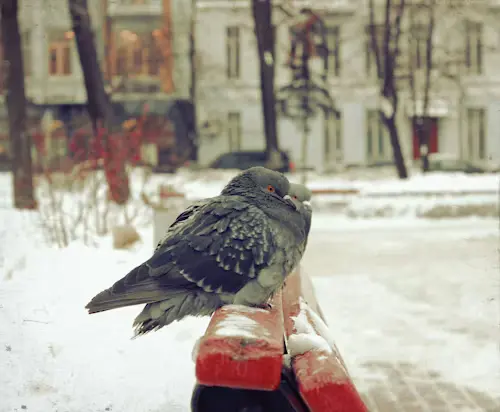
As the temperature drops and winter sets in, it’s important to consider how you can help birds stay warm and healthy. Whether you’re a pet bird owner or someone who enjoys watching wild birds in your backyard, there are several steps you can take to create a safe and comfortable environment for our feathered friends.
One of the most effective ways to provide winter bird warmth is to offer shelter. Birds need a place to escape the cold, wind, and snow, and a well-designed birdhouse or roosting box can provide just that. When choosing a birdhouse, look for one that is made of durable materials and has a small entrance hole to prevent heat loss. Place the birdhouse in a sheltered location, away from direct sunlight and drafts, and make sure it is securely mounted to prevent it from being knocked over by the wind.
Another important consideration is food. During the winter months, natural food sources can be scarce, making it difficult for birds to find the energy they need to stay warm. By providing a variety of high-energy foods, such as suet, sunflower seeds, and peanuts, you can help birds maintain their body temperature and survive the cold. It’s also important to keep your bird feeders clean and free of mold, as contaminated food can lead to illness.
Water is another essential resource for birds, especially during the winter months. While it may seem counterintuitive, birds need access to fresh water even when temperatures are below freezing. A heated bird bath or a simple pan of warm water can provide birds with the hydration they need to stay healthy. Just be sure to change the water regularly to prevent it from freezing.
In addition to providing shelter, food, and water, there are other ways you can help birds stay warm during the winter. For example, you can plant native trees and shrubs that provide natural shelter and food sources. You can also leave dead trees or branches in your yard, as they can serve as roosting sites for birds. And if you have a garden, consider leaving some areas unmulched, as this can provide birds with access to insects and other food sources.
For pet bird owners, it’s important to take extra precautions to ensure that your bird stays warm and comfortable during the winter months. This includes maintaining a consistent temperature in your home, providing a balanced diet, and monitoring your bird’s behavior for signs of illness or discomfort. You may also consider using a cage cover or a heated perch to provide additional warmth, but be sure to use these devices under the guidance of a veterinarian.
By taking these steps, you can help birds stay warm and healthy during the winter months. Whether you’re caring for a pet bird or supporting wild birds in your backyard, your efforts can make a significant difference in their ability to survive and thrive in cold weather.
Signs Your Bird is Cold: Recognizing the Warning Signals
Recognizing the signs that your bird is cold is essential for providing timely care and preventing serious health issues. Birds, especially pet birds, may not always show obvious signs of discomfort, so it’s important to be vigilant and observant. By understanding the warning signals, you can take action to warm your bird and prevent further complications.
One of the most common signs that a bird is cold is fluffed-up feathers. When a bird is cold, it will puff up its feathers to trap air close to its body, creating a layer of insulation. This is a natural response to cold temperatures, but if your bird’s feathers remain fluffed up for an extended period, it may be a sign that it is struggling to maintain its body temperature.
Another sign to watch for is lethargy. A cold bird may appear less active, with its movements slowed and its energy levels reduced. It may also spend more time perched in one spot, tucking its head under its wing or standing on one leg to conserve heat. If you notice that your bird is less active than usual or seems to be huddling in a corner of its cage, it may be a sign that it is feeling cold.
Shivering is another clear indication that a bird is cold. Just like humans, birds shiver to generate heat through muscle activity. If you see your bird shivering, it’s important to take action to warm it up immediately. This can be done by moving the bird to a warmer location, covering its cage with a blanket, or using a heat lamp or heated perch.
Changes in behavior can also be a sign that your bird is cold. A cold bird may become more irritable or aggressive, or it may lose its appetite. It may also produce fewer droppings, as its metabolism slows down in response to the cold. If you notice any of these changes in your bird’s behavior, it’s important to investigate and take action to warm it up.
In some cases, a cold bird may exhibit physical symptoms, such as a runny nose, sneezing, or watery eyes. These symptoms can be a sign of a respiratory infection, which can be more common in cold, damp environments. If you notice any of these symptoms, it’s important to seek veterinary care as soon as possible, as respiratory infections can be serious and even life-threatening if left untreated.
Finally, it’s important to monitor your bird’s overall health and well-being during the winter months. Regular check-ups with a veterinarian can help identify any underlying health issues and ensure that your bird is in good condition. By staying proactive and attentive, you can help your bird stay warm, healthy, and happy throughout the winter.
Pet Bird Hypothermia: Understanding the Risks and Prevention
Hypothermia is a serious condition that can occur when a bird’s body temperature drops below normal levels. This can happen when a bird is exposed to cold temperatures for an extended period, or when it is unable to generate enough heat to maintain its body temperature. Hypothermia can be life-threatening if not treated promptly, making it essential for bird owners to understand the risks and take preventive measures.
The signs of hypothermia in birds can be subtle, but they are important to recognize. A bird suffering from hypothermia may appear lethargic, with its feathers fluffed up and its body hunched over. It may also shiver, which is a sign that it is trying to generate heat through muscle activity. In severe cases, a bird may become unresponsive, with its eyes closed and its breathing shallow. If you suspect that your bird is suffering from hypothermia, it’s important to seek veterinary care immediately.
There are several factors that can increase a bird’s risk of developing hypothermia. One of the most common is exposure to cold temperatures, especially during the winter months. Birds that are kept in poorly insulated cages or that are exposed to drafts are at a higher risk of developing hypothermia. Additionally, birds that are sick, injured, or recovering from surgery may have a reduced ability to regulate their body temperature, making them more susceptible to hypothermia.
Another risk factor is inadequate nutrition. Birds require a balanced diet that provides them with the energy they need to maintain their body temperature. If a bird is not getting enough calories, it may not be able to generate enough heat to stay warm. This is why it’s important to provide your bird with a variety of fresh fruits, vegetables, and high-quality bird food, especially during the winter months.
Preventing hypothermia in birds requires a combination of proper care and environmental management. Start by ensuring that your bird’s cage is placed in a warm, draft-free location. Avoid placing the cage near windows, doors, or air vents where cold air can enter. You may also consider using a cage cover to provide additional insulation, but be sure to remove it during the day to allow for proper ventilation.
Another important consideration is the use of heating devices, such as heat lamps or heated perches. These devices can provide additional warmth and help your bird maintain its body temperature, especially during the night when temperatures are at their lowest. However, it’s important to use these devices under the guidance of a veterinarian, as improper use can lead to burns or other injuries.
Finally, it’s important to monitor your bird’s behavior and health during the winter months. If you notice any signs of illness or discomfort, such as changes in appetite, behavior, or droppings, it’s important to seek veterinary care as soon as possible. Early intervention can make a significant difference in your bird’s recovery and overall well-being.
By understanding the risks of hypothermia and taking preventive measures, you can help ensure that your bird stays warm, healthy, and safe during the winter months. In the next section, we’ll explore the concept of bird cold tolerance and how different species adapt to cold environments.
Bird Cold Tolerance: How Different Species Adapt to Cold Environments
Bird cold tolerance refers to the ability of different bird species to survive and thrive in cold environments. This tolerance varies widely among species, depending on their evolutionary history, physical characteristics, and behavioral adaptations. Understanding bird cold tolerance is essential for providing appropriate care and support, especially for pet birds that may not be naturally adapted to cold climates.
One of the key factors that influence bird cold tolerance is their body size. Larger birds, such as eagles and owls, generally have a lower surface area-to-volume ratio, which means they lose heat more slowly than smaller birds. This makes them more tolerant of cold temperatures and better able to maintain their body temperature in harsh conditions. In contrast, smaller birds, such as finches and hummingbirds, have a higher surface area-to-volume ratio, which means they lose heat more quickly and are more susceptible to the effects of cold weather.
Another important factor is the bird’s plumage. Birds with thick, dense feathers are generally more tolerant of cold temperatures than those with thin, sparse feathers. Feathers provide insulation by trapping air close to the body, creating a layer of warmth that helps retain body heat. Some birds, such as penguins and ptarmigans, have specialized feathers that are particularly effective at insulating against the cold. These feathers are often layered and may have a downy undercoat that provides additional warmth.
Behavioral adaptations also play a crucial role in bird cold tolerance. Many birds engage in behaviors that help them conserve heat, such as huddling together in groups, fluffing up their feathers, or seeking shelter in protected areas. Some birds, such as chickadees and nuthatches, are known to enter a state of torpor during the night, a temporary reduction in metabolic rate and body temperature that helps them conserve energy. This adaptation allows them to survive cold nights when food is scarce and temperatures are at their lowest.
Diet is another important factor that influences bird cold tolerance. Birds that have access to high-energy foods, such as suet, seeds, and nuts, are better able to generate the heat they need to maintain their body temperature. In contrast, birds that rely on low-energy foods, such as insects or fruit, may struggle to stay warm during the winter months. This is why it’s important to provide birds with a variety of high-energy foods during the winter, especially in areas where natural food sources may be scarce.
Finally, it’s important to consider the evolutionary history of different bird species. Birds that originate from cold climates, such as Arctic terns and snow geese, have evolved a range of adaptations that allow them to survive in extreme conditions. These adaptations may include specialized feathers, efficient circulatory systems, and behaviors that help them conserve heat. In contrast, birds that originate from warm climates, such as parrots and finches, may not have the same level of cold tolerance and may require additional care and support during the winter months.
By understanding the factors that influence bird cold tolerance, you can better appreciate the remarkable diversity of bird species and the ways in which they have adapted to survive in different environments. Whether you’re caring for a pet bird or supporting wild birds in your backyard, this knowledge can help you provide the appropriate care and support to ensure their well-being.
FAQs: Common Questions About Bird Cold Tolerance
Do birds get cold in winter?
Yes, birds can get cold in winter, especially if they are not adapted to cold climates. While birds have evolved a range of adaptations to cope with cold temperatures, they can still struggle to maintain their body temperature in extreme conditions. This is why it’s important to provide birds with shelter, food, and water during the winter months.
Can birds freeze to death?
Yes, birds can freeze to death if they are exposed to extreme cold for an extended period. However, this is relatively rare, as most birds have evolved mechanisms to survive cold temperatures. Hypothermia is a more common risk, especially for pet birds that are not properly cared for during the winter months.
How do birds keep warm at night?
Birds keep warm at night by fluffing up their feathers, seeking shelter in protected areas, and huddling together in groups. Some birds also enter a state of torpor, a temporary reduction in metabolic rate and body temperature that helps them conserve energy.
Do birds need heat lamps in winter?
Most wild birds do not need heat lamps in winter, as they have evolved to survive in cold environments. However, pet birds, especially those that originate from warm climates, may benefit from additional heat sources, such as heat lamps or heated perches. It’s important to use these devices under the guidance of a veterinarian to ensure they are safe and effective.
What temperature is too cold for birds?
The temperature at which birds become uncomfortable or at risk of hypothermia varies depending on the species. Most pet birds are comfortable at temperatures between 65°F and 80°F (18°C to 27°C). If the temperature drops below this range, you may need to take additional steps to keep your bird warm.
How can I help birds stay warm in winter?
You can help birds stay warm in winter by providing shelter, food, and water. Consider installing a birdhouse or roosting box, offering high-energy foods such as suet and seeds, and providing a heated bird bath or pan of warm water. For pet birds, ensure that their cage is placed in a warm, draft-free location and consider using a cage cover or heated perch.
Conclusion: Keeping Birds Warm and Healthy Year-Round
Understanding whether birds get cold is more than just a matter of curiosity—it’s a crucial aspect of responsible bird care. Whether you’re a pet bird owner or someone who enjoys watching wild birds in your backyard, knowing how to recognize the signs of cold stress and take appropriate action can make a significant difference in their well-being.
Throughout this guide, we’ve explored the science of bird thermoregulation, the unique challenges faced by different bird species, and the practical steps you can take to keep birds warm and healthy during the winter months. From understanding the signs that your bird is cold to preventing hypothermia and providing adequate shelter, food, and water, there are many ways you can support our feathered friends.