Do Birds Feel Cold? Ultimate Tips for Feathered Safety

Have you ever watched a sparrow fluffed up like a tiny feather duster on a frosty morning and wondered, “Do birds feel cold?” If you’re a bird owner, this question becomes even more urgent when winter arrives and you see your parrot shivering in its cage. As someone who has spent years observing and caring for birds, I can tell you this is a question that touches the heart of every bird enthusiast.
Whether you’re watching wild birds outside your window or caring for a beloved pet parrot, understanding how birds experience and cope with cold weather is essential for their survival and well-being. The truth is, birds are remarkably adapted to handle cold temperatures, but they’re not invincible. In this comprehensive guide, we’ll explore everything you need to know about birds and cold weather, from the science behind their survival strategies to practical tips for keeping your feathered friends safe and warm.
Table of Contents
The Science Behind Bird Temperature Regulation
How Birds Maintain Their Body Heat
Birds are warm-blooded creatures, which means they maintain a constant internal body temperature regardless of the outside environment. Most birds have a body temperature ranging from 104°F to 106°F (40°C to 41°C), significantly higher than humans. This elevated temperature is crucial for their high metabolism and energy needs.
To understand how birds cope with cold, we need to look at their unique physiological adaptations. Unlike mammals, birds have a much faster metabolism, which generates more body heat. Their hearts beat rapidly, and their respiratory system is highly efficient at oxygen exchange, both contributing to maintaining their core temperature.
One of the most fascinating aspects of bird biology is their circulatory system. Birds have evolved a counter-current heat exchange system in their legs and feet. This means that warm blood flowing from the body to the feet passes close to cold blood returning from the feet to the body. The heat transfers from the warm blood to the cold blood, warming it up before it reaches the body core. This ingenious system allows birds to keep their feet just above freezing while maintaining a warm body temperature.
Feather Insulation: Nature’s Perfect Winter Coat
Feathers are not just for flight—they’re also one of nature’s most effective insulators. Birds have several types of feathers, each serving a specific purpose:
- Contour feathers provide the bird’s shape and outer protection
- Down feathers create insulating layers close to the skin
- Semiplumes offer additional insulation and help with buoyancy
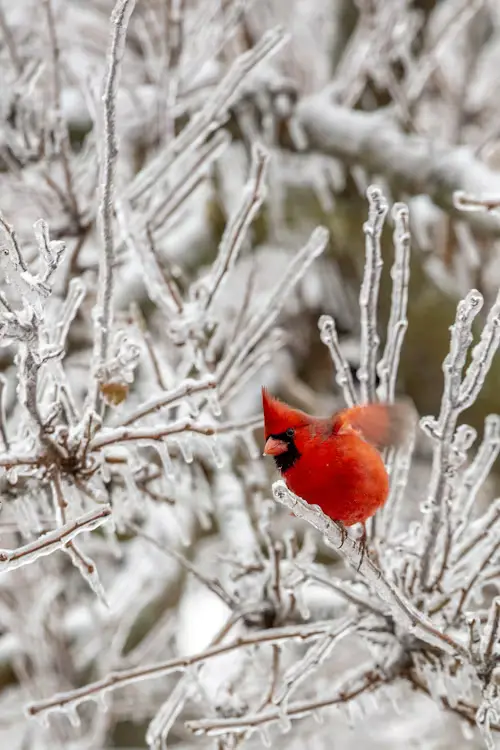
When it gets cold, birds fluff up their feathers, creating tiny air pockets that trap warm air close to their bodies. This is similar to how a down jacket works for humans. The more air trapped between feathers, the better the insulation.
Interestingly, birds also have a special muscle called the ptiloerection muscle that allows them to raise and lower their feathers at will. This gives them precise control over their insulation, allowing them to adjust their “coat” thickness based on temperature changes.
Metabolic Adaptations for Cold Weather
Birds have several metabolic tricks up their sleeves when it comes to surviving cold weather:
- Increased food intake: Birds eat more in winter to generate additional body heat through digestion
- Fat storage: Many birds build up fat reserves in the fall to use as insulation and energy
- Torpor: Some small birds can enter a state of torpor at night, lowering their body temperature and metabolic rate to conserve energy
This last adaptation is particularly remarkable. Some hummingbirds, for example, can drop their body temperature from 104°F to as low as 54°F during torpor, dramatically reducing their energy needs.
Signs Birds Are Cold: What to Look For
Behavioral Indicators of Cold Stress
If you’re wondering, “Do birds feel cold?” just watch their behavior. Birds communicate their discomfort through various actions:
Fluffing Up: When you see a bird looking like a puffed-up cotton ball, it’s trying to trap warm air in its feathers. While this is a normal response to cold, if the bird remains fluffed up for extended periods, it might be struggling to maintain its body temperature.
Shivering: Just like humans, birds shiver when they’re cold. This rapid muscle movement generates heat. If you notice your pet bird shivering, it’s a clear sign they need warmth.
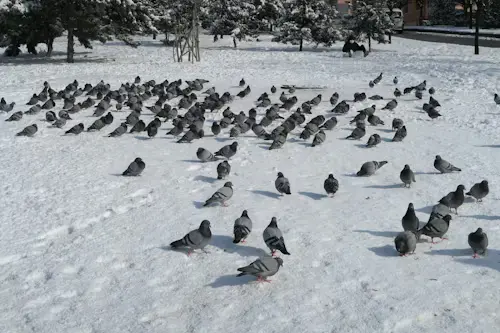
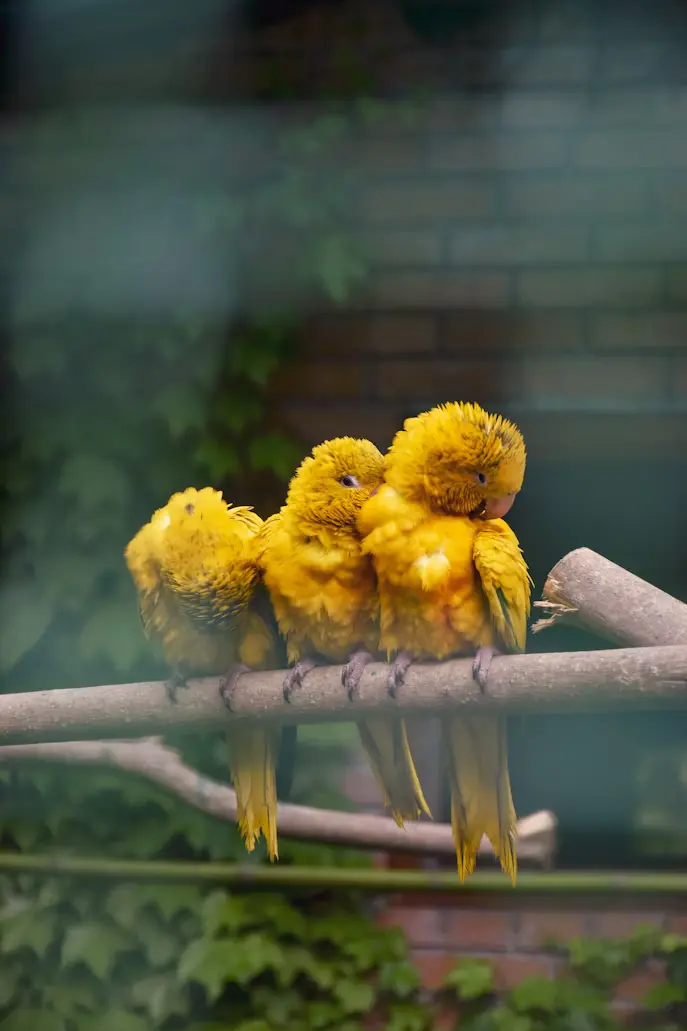
Huddling: Birds often huddle together for warmth, whether in roosting boxes, tree cavities, or on perches. This social behavior helps them share body heat.
Reduced Activity: A cold bird may become lethargic, moving less to conserve energy. While some reduced activity in winter is normal, extreme lethargy could indicate the bird is too cold.
Changes in Posture: Birds may adopt specific postures to minimize heat loss. You might see them tucking one foot up into their feathers or standing on one leg with the other tucked away.
Physical Signs of Cold Stress
Beyond behavior, there are physical signs that indicate a bird is feeling the cold:
- Puffed-up appearance: The bird looks larger than normal due to raised feathers
- Drooping wings: Wings may hang lower than usual
- Closed eyes: A cold bird may keep its eyes partially closed
- Ruffled feathers: Instead of sleek, smooth feathers, the bird’s plumage appears messy and ruffled
- Cold feet: In pet birds, cold feet are a telltale sign of low body temperature
Signs Birds Are Cold in Specific Species
Different bird species may show cold stress differently:
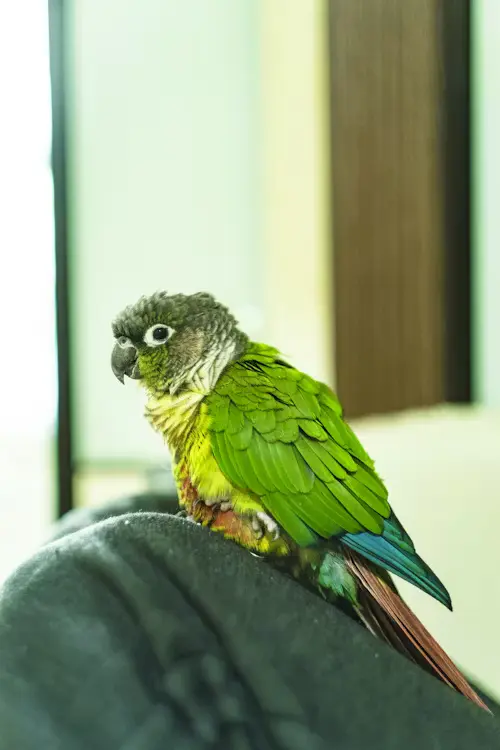
Parrots: If you’re wondering, “Do parrots feel cold?” the answer is definitely yes. Parrots may tuck their heads under their wings, fluff up their body feathers, or seek out warm spots in their cage. They might also become less vocal or show decreased appetite.
Small songbirds: These birds are particularly vulnerable to cold. Look for them huddling together, puffing up, or seeking shelter in dense vegetation.
Waterfowl: While their feet may be in icy water, their body temperature remains stable. However, if you see them standing on one leg with the other tucked up, they’re likely trying to conserve heat.
If you notice any of these signs in your pet bird or local wildlife, it’s time to take action to help them stay warm.
Winter Bird Care Tips for Pet Owners
Creating a Warm and Safe Environment
If you’re a bird owner, understanding how to keep your feathered friend warm in winter is crucial. Here are essential winter bird care tips:
Cage Placement: Keep your bird’s cage away from drafty windows, doors, and air vents. Even a small draft can make a significant difference in temperature. Ideally, place the cage in a room where the temperature is consistently warm.
Temperature Control: Most pet birds thrive in temperatures between 65°F and 80°F (18°C to 27°C). Avoid sudden temperature changes, which can stress your bird’s immune system. If you’re wondering about the ideal temperature for pet birds, aim for this range.
Cage Covers: Using a cage cover at night can help retain heat. However, ensure adequate ventilation and never use covers that could cause overheating during the day.
Heating Solutions: Consider using bird-safe heating pads or ceramic heat emitters. Never use regular space heaters or heat lamps not designed for birds, as these can be dangerous.
Nutrition for Cold Weather
Proper nutrition is vital for helping birds maintain their body temperature in winter:Increased Caloric Intake: Birds need more calories in cold weather to generate body heat. Offer high-energy foods like nuts, seeds, and healthy fats. For more information on winter nutrition, check out our guide to best bird food for winter.
Fresh Water: Ensure your bird has access to fresh, unfrozen water. Dehydration can make it harder for birds to regulate their body temperature.
Vitamin Supplements: Consider adding vitamin supplements to support your bird’s immune system during the stressful winter months.
Enrichment and Exercise
Even in cold weather, birds need mental and physical stimulation:
Toys and Activities: Provide plenty of toys and activities to keep your bird mentally engaged. Boredom can lead to stress, which affects their ability to cope with cold.
Exercise Time: Allow your bird time outside its cage daily, but ensure the room is warm and draft-free.
Social Interaction: Birds are social creatures. Spend extra time interacting with your bird during winter months to reduce stress and provide warmth through companionship.
Monitoring Your Bird’s Health
Winter can be a challenging time for birds, making regular health monitoring essential:
Daily Observations: Check your bird daily for signs of cold stress or illness. Look for changes in behavior, appetite, droppings, and overall appearance.
Weight Monitoring: Some bird owners weigh their birds regularly to monitor health. Sudden weight loss can indicate health problems.
Veterinary Care: Schedule regular check-ups with an avian veterinarian. Winter is a good time to ensure your bird is in peak health to handle the cold months.
Remember, prevention is always better than cure. By creating a warm, safe environment and monitoring your bird’s health closely, you can help your feathered friend thrive throughout the winter.
Do Parrots Feel Cold? Special Considerations for Tropical Birds
The Unique Needs of Parrots
If you’re wondering, “Do parrots feel cold?” the answer is a definite yes, and they’re actually more sensitive to temperature changes than many other bird species. Parrots are primarily tropical and subtropical birds, which means their natural habitat is warm and humid. This makes them particularly vulnerable to cold temperatures.
Temperature Sensitivity: Parrots are most comfortable in temperatures between 70°F and 80°F (21°C to 27°C). They can tolerate temperatures as low as 65°F (18°C), but anything below this can cause stress and health problems.
Humidity Requirements: In addition to temperature, parrots need adequate humidity. Dry winter air can cause respiratory problems and dry skin. Consider using a humidifier to maintain proper humidity levels.
Signs Your Parrot is Too Cold
Parrots show specific signs when they’re feeling cold:
- Fluffing up: Your parrot may appear much larger than usual as it puffs up its feathers
- Shivering: Visible trembling or shaking
- Tucking head under wing: This is a common sign of a cold parrot
- Reduced activity: Your usually active parrot may become lethargic
- Changes in droppings: Cold stress can affect digestion
- Sneezing or respiratory issues: Cold, dry air can irritate their respiratory system
Creating a Parrot-Friendly Winter Environment
To keep your parrot comfortable during winter:
Cage Setup:
- Place the cage away from drafts and direct heat sources
- Use cage covers at night, but ensure proper ventilation
- Consider a larger cage that allows your parrot to move around and generate body heat
Heating Solutions:
- Use bird-safe heating pads designed for parrots
- Consider ceramic heat emitters that provide warmth without light
- Never use regular space heaters or heat lamps not designed for birds
Enrichment:
- Provide plenty of toys and activities
- Create a cozy corner in the cage with soft, warm materials
- Ensure your parrot has access to multiple perches at different heights
Social Needs:
- Spend extra time with your parrot during winter months
- Consider getting a compatible companion bird if your parrot is lonely
- Talk to your parrot frequently to provide mental stimulation
Parrot Health in Winter
Winter can be particularly challenging for parrots, making health monitoring crucial:
Common Winter Health Issues:
- Respiratory infections due to dry air
- Feather plucking due to stress or boredom
- Digestive problems from reduced activity
- Skin and feather dryness
Prevention Strategies:
- Maintain proper humidity levels (40-60%)
- Provide a balanced diet rich in vitamins and minerals
- Ensure regular exercise and mental stimulation
- Schedule regular veterinary check-ups
Remember, parrots are intelligent, social creatures that thrive on routine and interaction. Winter can disrupt their normal patterns, so it’s essential to provide extra care and attention during these months.
Bird Shivering in Cold: Understanding the Mechanism
The Science Behind Bird Shivering
When you see bird shivering in cold weather, you’re witnessing a natural survival mechanism. Shivering is an involuntary response that generates heat through rapid muscle contractions. This is the same mechanism humans use when they’re cold, but birds have some unique adaptations.
Muscle Physiology: Birds have a higher proportion of fast-twitch muscle fibers compared to mammals. These fibers can contract rapidly and generate heat efficiently. When a bird shivers, these muscles work overtime to produce the heat needed to maintain body temperature.
Energy Requirements: Shivering is an energy-intensive process. A shivering bird burns calories rapidly to generate heat. This is why birds need to eat more in cold weather – they’re essentially “burning” food to stay warm.
When Shivering Becomes a Problem
While shivering is a normal response to cold, excessive or prolonged shivering can indicate a problem:
Hypothermia Risk: If a bird shivers for too long without warming up, it can become exhausted and develop hypothermia. This is particularly dangerous for small birds with limited energy reserves.
Energy Depletion: Constant shivering can deplete a bird’s energy stores, leaving it vulnerable to other health problems.
Stress Response: Prolonged shivering can be a sign of stress, which can weaken a bird’s immune system and make it more susceptible to illness.
How to Help a Shivering Bird
If you find a wild bird that’s shivering, here’s what you can do:
Provide Shelter: Create a warm, quiet place for the bird to recover. A small box with air holes and soft material works well.
Gradual Warming: Don’t try to warm the bird too quickly. Sudden temperature changes can be harmful. Instead, place the bird in a warm room and let it warm up gradually.
Hydration and Nutrition: Offer warm (not hot) water and high-energy foods like seeds, nuts, or fruit.
Veterinary Care: If possible, contact a wildlife rehabilitator or avian veterinarian for professional care.
For pet birds that are shivering, take immediate action to warm their environment and consult with a veterinarian if the shivering persists.
Preventing Cold-Related Shivering
The best approach is prevention:
For Wild Birds:
- Provide bird feeders with high-energy foods
- Offer fresh water (using a heater to prevent freezing)
- Create sheltered areas with dense vegetation or birdhouses
For Pet Birds:
- Maintain proper cage temperature
- Provide adequate nutrition
- Ensure the cage is in a draft-free location
- Use appropriate heating solutions if needed
Remember, while shivering is a natural response, it’s a sign that the bird is working hard to stay warm. By providing appropriate care and environment, you can help reduce the need for this energy-intensive survival mechanism.
Insulating Bird Aviaries: Creating a Winter-Ready Habitat
Design Principles for Winter Aviaries
If you’re wondering how to protect birds from cold weather, especially in outdoor aviaries, proper insulation is key. A well-insulated aviary can make the difference between life and death for birds during harsh winters.
Location Selection: Choose a location that provides natural protection from wind and weather. Position the aviary against a building or fence to block prevailing winds. Avoid low-lying areas where cold air can settle.
Orientation: Face the aviary away from prevailing winds and towards the sun. In the Northern Hemisphere, a south-facing aviary will receive maximum sunlight during winter months.
Size Considerations: Larger aviaries are generally easier to keep warm than smaller ones, as they have more thermal mass and less surface area relative to volume.
Insulation Materials and Methods
When insulating a bird aviary, consider these materials and techniques:
Wall Insulation:
- Use rigid foam board insulation on walls and ceilings
- Cover insulation with wire mesh to prevent birds from accessing it
- Add a layer of plywood or similar material over the insulation for protection
Floor Insulation:
- Elevate the aviary off the ground to prevent heat loss
- Use insulating materials like rubber matting or wood chips on the floor
- Consider heating pads designed for outdoor use
Roof Insulation:
- Insulate the roof to prevent heat loss through the top
- Ensure proper ventilation to prevent moisture buildup
- Use materials that won’t become slippery when wet
Window and Door Insulation:
- Use double-glazed windows or acrylic panels
- Install weather stripping around doors and windows
- Consider removable insulation panels for extremely cold weather
Heating Solutions for Aviaries
Proper heating is essential for winter aviary management:
Ceramic Heat Emitters: These provide heat without light, making them ideal for maintaining natural day-night cycles.
Infrared Heaters: These provide gentle, even heat throughout the aviary.
Heated Perches: Special perches with built-in heating elements can provide localized warmth.
Heat Lamps: Use only if necessary and ensure they’re properly shielded to prevent burns.
Always use thermostats to regulate temperature and prevent overheating. Monitor the aviary temperature regularly to ensure it stays within the appropriate range for your bird species.
Ventilation and Air Quality
While insulation is important, proper ventilation is equally crucial:
Air Circulation: Ensure adequate air circulation to prevent the buildup of harmful gases and moisture.
Moisture Control: Use absorbent bedding materials and clean the aviary regularly to prevent dampness.
Air Quality: Monitor for signs of poor air quality, such as respiratory issues in your birds.
Maintenance and Monitoring
Regular maintenance is essential for a winter-ready aviary:
Daily Checks: Monitor temperature, food and water availability, and bird behavior daily.
Weekly Cleaning: Clean the aviary regularly to prevent the buildup of waste and moisture.
Monthly Inspections: Check for signs of wear, damage, or needed repairs.
Seasonal Preparation: Prepare your aviary for winter well in advance, making any necessary repairs or upgrades.
By creating a properly insulated and heated aviary, you can provide your birds with a safe, comfortable environment throughout the winter months. This not only helps them survive the cold but also reduces stress and maintains their overall health and well-being.
Cold Weather Bird Protection: Strategies for Survival
Natural Adaptations for Cold Weather
Birds have evolved remarkable strategies for surviving cold weather. Understanding these natural adaptations can help us better protect both wild and domesticated birds:
Feather Adjustments: As mentioned earlier, birds can adjust their feathers to create insulating air pockets. They also have a preen gland that produces oil to waterproof their feathers, providing additional protection against wet, cold conditions.
Metabolic Changes: Many birds can slow their metabolism during extremely cold periods, entering a state similar to hibernation. This helps them conserve energy when food is scarce.
Social Behaviors: Many bird species gather in large flocks during winter. This not only provides safety in numbers but also helps with warmth. Flocks can share body heat and find food more efficiently.
Roosting Strategies: Birds seek out protected roosting sites, such as tree cavities, dense vegetation, or even human structures. Some species, like chickadees, will roost together in tight groups to share body heat.
Human-Assisted Protection Methods
While birds are well-adapted to cold weather, human intervention can significantly improve their chances of survival:
Providing Food: High-energy foods like suet, black oil sunflower seeds, and nyjer seeds can help birds maintain their energy reserves. Place feeders in sheltered locations to protect them from wind and snow.
Water Sources: Fresh, unfrozen water is crucial for birds in winter. Consider using heated birdbaths or changing water frequently to prevent freezing.
Shelter: Provide birdhouses and roosting boxes in your yard. These offer protection from wind, snow, and predators. Ensure they’re properly sized for the bird species in your area.
Plant Selection: Choose native plants that provide both food and shelter. Evergreen trees and shrubs offer year-round protection, while berry-producing plants provide food sources.
Protecting Pet Birds from Cold Weather
For pet bird owners, cold weather protection involves several key strategies:
Indoor Housing: Most pet birds should be kept indoors during winter months. This provides the most reliable protection from cold temperatures and weather extremes.
Cage Management: Ensure cages are in warm, draft-free locations. Use cage covers at night and consider additional heating if necessary.
Health Monitoring: Watch for signs of cold stress and illness. Cold weather can weaken birds’ immune systems, making them more susceptible to disease.
Nutrition: Provide a balanced diet rich in vitamins and minerals to support immune function and energy needs.
Community and Conservation Efforts
Protecting birds from cold weather is not just an individual responsibility:
Habitat Preservation: Protect and restore natural habitats that provide food and shelter for birds during winter months.
Climate Action: Support efforts to address climate change, which is affecting bird migration patterns and winter survival rates.
Education and Awareness: Share knowledge about bird care and protection with your community.
Support Organizations: Contribute to organizations that work to protect birds and their habitats.
By combining natural adaptations with human assistance, we can help ensure that birds survive and thrive throughout the winter months. This not only benefits the birds themselves but also maintains the ecological balance that depends on these important creatures.
Temperature for Pet Birds: Finding the Sweet Spot
Understanding Temperature Requirements
When it comes to pet birds, understanding the ideal temperature for pet birds is crucial for their health and comfort. Different bird species have different temperature requirements based on their natural habitats:
Tropical Birds: Parrots, cockatiels, and budgies are native to warm climates and prefer temperatures between 70°F and 80°F (21°C to 27°C).
Temperate Species: Canaries and finches can tolerate slightly cooler temperatures, ideally between 65°F and 75°F (18°C to 24°C).
Cold-Adapted Species: Some species like parakeets and certain finches can tolerate temperatures as low as 60°F (15°C), but they still prefer warmer conditions.
Temperature Monitoring and Control
Maintaining the right temperature for your pet bird involves careful monitoring and control:
Thermometers: Use accurate thermometers to monitor cage and room temperatures. Digital thermometers with remote sensors can provide continuous monitoring.
Thermostats: Use thermostats to maintain consistent room temperatures. Avoid sudden temperature changes, which can stress your bird.
Cage Placement: Position cages away from drafty areas, direct sunlight, and heat sources. The ideal location maintains a stable temperature throughout the day.
Seasonal Adjustments: Be prepared to adjust heating and cooling based on seasonal changes. Winter may require additional heating, while summer may need cooling measures.
Signs of Temperature Stress
Birds can’t tell us when they’re too hot or too cold, so it’s important to recognize the signs of temperature stress:
Too Cold:
- Fluffed-up appearance
- Shivering
- Tucking head under wing
- Reduced activity
- Huddling in corners
Too Hot:
- Panting or open-mouth breathing
- Wings held away from body
- Lethargy
- Loss of appetite
- Rapid breathing
Creating a Temperature-Stable Environment
To maintain optimal temperature for pet birds:
Room Selection: Choose a room with stable temperatures and minimal drafts. Avoid rooms with large temperature fluctuations.
Cage Covers: Use breathable cage covers at night to retain heat, but ensure adequate ventilation.
Heating Solutions: Use bird-safe heating pads, ceramic heat emitters, or other appropriate heating solutions. Always follow manufacturer instructions and monitor temperatures closely.
Cooling Solutions: In hot weather, provide fans, air conditioning, or misting systems. Ensure birds have access to cool, shaded areas.
Backup Plans: Have a plan for power outages or heating system failures. This might include alternative heat sources or a designated warm room.
Special Considerations for Different Life Stages
Temperature requirements can vary based on a bird’s age and health:
Baby Birds: Young birds, especially those being hand-fed, require warmer temperatures. Nesting boxes or brooders may need to be maintained at 85°F to 95°F (29°C to 35°C).
Elderly Birds: Older birds may be more sensitive to temperature changes and require more stable, slightly warmer environments.
Sick Birds: Birds recovering from illness may need warmer temperatures to support their healing process.
Breeding Birds: During breeding season, some birds may require specific temperature ranges to stimulate breeding behavior.
By understanding and maintaining the proper temperature for pet birds, you can ensure their comfort, health, and longevity. Remember that each bird is an individual, and you may need to adjust temperatures based on your specific bird’s needs and preferences.
Frequently Asked Questions About Do Birds Feel Cold?
Do Birds Feel Cold in Their Feet?
This is one of the most common questions about bird biology. The short answer is yes, birds do feel cold in their feet, but they have evolved remarkable adaptations to handle it. Their feet are mostly composed of tendons and bones with minimal muscle and fluid, which reduces the risk of frostbite. The counter-current heat exchange system in their legs helps maintain foot temperature just above freezing while keeping their core body temperature stable.
Can Birds Die from Cold Weather?
Unfortunately, yes. While birds have many adaptations for cold weather, extreme conditions can still be fatal. Young, old, sick, or injured birds are particularly vulnerable. Starvation is often a bigger threat than cold itself, as birds need sufficient energy reserves to generate body heat.
Do All Birds Migrate to Avoid Cold?
No, not all birds migrate. Migration is just one strategy for surviving winter. Many birds stay in their home ranges and use other adaptations like those we’ve discussed. Some birds are partial migrants, with only some populations migrating while others remain.
How Do Birds Sleep in Winter?
Birds have several strategies for staying warm while sleeping. They may fluff up their feathers, tuck their heads under their wings, and seek out sheltered roosting spots. Some birds huddle together for warmth, while others enter a state of torpor to conserve energy.
Can I Help Wild Birds in Winter?
Absolutely! You can help wild birds by providing food, water, and shelter. Use bird feeders with high-energy foods, provide fresh water (using a heater if necessary), and create or maintain natural habitats with trees and shrubs that offer protection.
Do Indoor Birds Need Special Care in Winter?
Yes, even indoor birds need special attention during winter. Indoor heating can create dry air, which can cause respiratory problems. Monitor humidity levels and consider using a humidifier. Also, ensure your bird’s cage is not near drafty windows or doors.
What Should I Do If I Find a Cold, Injured Bird?
If you find a cold, injured bird, contact a local wildlife rehabilitator or veterinarian immediately. In the meantime, gently place the bird in a warm, quiet box with air holes. Do not try to feed or give water to an injured bird unless instructed by a professional.
Can Birds Get Frostbite?
While rare, birds can get frostbite, especially on their feet, beaks, and combs (in the case of chickens). This is more likely to occur in extremely cold temperatures or if a bird is wet and then exposed to freezing temperatures.
How Do Water Birds Stay Warm?
Water birds have several adaptations for staying warm in cold water. They have dense down feathers and a special oil-producing gland that waterproofs their feathers. Their legs and feet have the counter-current heat exchange system we discussed earlier. Some water birds also have special circulatory adaptations that allow them to stand on ice without freezing.
Do Birds Feel Cold Differently Than Humans?
Yes, birds experience and respond to cold differently than humans. Their higher body temperature, faster metabolism, and unique circulatory systems all contribute to different cold responses. While they can feel cold, their tolerance and survival strategies are quite different from ours.
Understanding these questions and answers can help you better care for both wild and pet birds during cold weather. Remember, while birds are remarkably adapted to handle cold, they still need our help and protection, especially in extreme conditions.
Conclusion: Keeping Our Feathered Friends Safe and Warm
As we’ve explored throughout this comprehensive guide, the question “Do birds feel cold?” has a complex answer. Yes, birds do feel cold, but they’re also incredibly well-adapted to handle cold weather through a combination of physiological, behavioral, and social strategies.
From the counter-current heat exchange system in their legs to their ability to fluff up their feathers for insulation, birds have evolved remarkable mechanisms for surviving winter’s challenges. However, these adaptations have their limits, and both wild and domesticated birds can benefit from human assistance during extreme weather conditions.
For pet bird owners, understanding the specific needs of your feathered friend is crucial. Whether you’re caring for a tropical parrot or a hardy canary, providing the right temperature, nutrition, and environment can make all the difference in their health and happiness during winter months.