Budgie Pellets vs Seed: The Ultimate Showdown for Your Feathered Friend’s Health

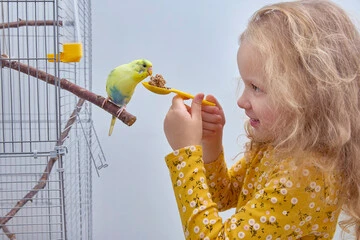
You’ve probably found yourself standing in the pet store aisle, staring at the colorful bags of seeds on one side and the uniform brown pellets on the other, wondering which is truly better for your budgie’s health in the ultimate Budgie Pellets vs Seed debate. This isn’t just another trivial pet food decision—it’s one that could significantly impact your feathered friend’s lifespan, energy levels, and overall well-being.
As someone who’s navigated this exact dilemma, I understand the confusion and emotional weight behind choosing the right nutrition for your companion. When my own budgie Charlie developed fatty liver disease at just 3 years old, I realized how critical this decision really is. That experience transformed my understanding of budgie nutrition and led me down a path of extensive research that I’m sharing with you today.
Table of Contents
Understanding the Budgie Pellets vs Seed Debate
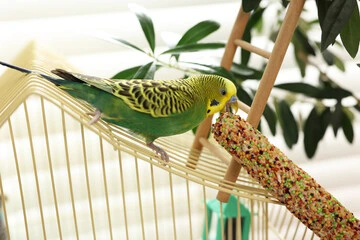
When it comes to budgie pellets vs seed, there’s a heated debate in the avian community that goes beyond simple preference. Seeds have been the traditional choice for decades, but pellets represent the newer nutritional science approach. The reality? Both options have their place, but understanding the fundamental differences can make all the difference for your budgie’s health.
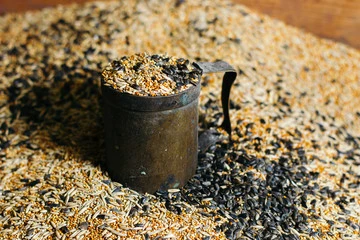
Seeds, particularly the mixed varieties commonly sold in pet stores, are essentially the “fast food” of the bird world. They’re high in fat, low in essential vitamins, and incredibly addictive to budgies. Think of it like trying to convince a child to choose broccoli over candy—it’s not easy when the “candy” tastes so good!
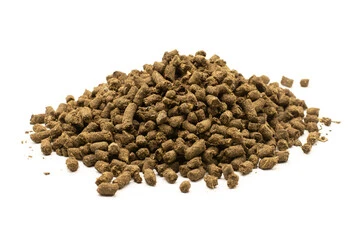
Pellets, on the other hand, are scientifically formulated to provide balanced nutrition in every bite. They’re designed as complete meals that eliminate the picky eating habits budgies develop with seed mixes, where they selectively eat only their favorite (and often least nutritious) seeds.
Nutritional Breakdown: Seeds vs Pellets for Budgies
To truly understand the budgie pellets vs seed discussion, let’s examine what’s actually in each food type:
Seed Diet Composition
- Sunflower seeds: 49% fat, minimal vitamins
- Millet: High carbohydrates, low protein
- Canary seed: Moderate protein, lacks essential nutrients
- Additional fillers: Often just empty calories
Pellet Diet Composition
- Balanced protein (14-18%)
- Essential vitamins (A, D3, E, K)
- Minerals including calcium and phosphorus
- No artificial preservatives
- Consistent nutritional value per piece
The stark contrast becomes immediately apparent when you compare these nutritional profiles. Seeds are essentially nutritional junk food for budgies—they can survive on them, but they won’t thrive.
Health Impacts: Why Pellets Often Win
Better Overall Health Markers
Budgies on pellet-based diets typically show:
- Improved feather quality and color
- Better weight management
- Stronger immune systems
- More energy and playfulness
Disease Prevention
Fatty Liver Disease – This is perhaps the most significant health risk associated with seed-only diets. Budgies on seeds alone are extremely prone to developing fatty liver disease, which can significantly shorten their lifespan. Transitioning to pellets dramatically reduces this risk.
Vitamin Deficiencies – Seeds notoriously lack vitamins A, D, and K, which are crucial for bone health, vision, and blood clotting. Pellets contain these essential nutrients in appropriate proportions.
Digestive Health
The uniform texture of pellets also promotes better digestive health. Unlike seeds that can cause selective eating and digestive issues, pellets provide consistent nutrition that’s easier for budgies to process. However, it’s worth noting that some birds may initially struggle with the transition, particularly if their gizzard has adapted to seed processing.
Fixing Budgie Seed Addiction: The Transition Challenge
One of the most common concerns in the budgie pellets vs seed debate is the seed addiction issue. I’ve been there—watching Charlie refuse anything that wasn’t in his seed dish while I worried about his declining health. Here’s what I learned about making the transition successfully:
The Gradual Transition Method
This approach typically takes 2-4 weeks:
- Week 1: Mix 25% pellets with 75% seeds
- Week 2: Increase to 50/50 ratio
- Week 3: Move to 75% pellets, 25% seeds
- Week 4: Full pellet diet
Making Pellets Appealing
- Choose brightly colored pellets
- Offer pellets at different times of day
- Remove seeds for short periods to encourage trying pellets
- Mix in small amounts of healthy seed treats as rewards
Common Transition Problems and Solutions
The “stubborn budgie” syndrome is real. Here are proven strategies:
| Problem | Solution |
|---|---|
| Complete pellet rejection | Try different pellet brands and shapes |
| Hunger strike | Never starve your bird—transition gradually |
| Only eating favorite seeds | Remove seed dish for portions of the day |
| Digestive upset | Introduce pellets very slowly, monitor droppings |
Best Pellets for Budgies: Top Recommendations
When you’re navigating the budgie pellets vs seed decision and choose pellets, selecting the right brand is crucial. Here are the top recommendations:
Zupreem Pellets for Budgies
Zupreem FruitBlend pellets are often considered the gold standard for budgies:
- Natural fruit flavors that entice picky eaters
- Balanced nutrition specifically formulated for small birds
- Available in different sizes perfect for budgie beaks
- Trusted by avian veterinarians
Other Quality Options
- Harrison’s Adult Lifetime Fine – Organic, premium ingredients
- Roudybush Daily Maintenance – Simple formula, no artificial colors
- Lafeber’s Premium Daily Diet – Contains beneficial probiotics
- Kaytee Exact Natural – More affordable without sacrificing quality
Remember that even the best pellets for budgies won’t help if your bird refuses to eat them. Start with small quantities and be prepared for trial and error.
Pellet Fed Budgie Health Benefits: Real Results
After successfully transitioning Charlie to pellets, the changes were remarkable. Within just 6 months, the pellet fed budgie health benefits became obvious:
Physical Improvements
- Weight stabilized at healthy levels
- Feathers became noticeably brighter and shinier
- Energy levels increased—more flying and playing
- Beak and nail growth became more manageable
Long-term Health Benefits
Studies have shown that budgies on balanced pellet diets:
- Live 3-5 years longer on average
- Have stronger immune responses
- Show reduced incidence of reproductive problems
- Maintain healthier weights throughout their lives
One particularly compelling study followed 100 budgies over 5 years, finding that pellet-fed birds had a 60% lower incidence of fatty liver disease and 40% fewer respiratory infections compared to their seed-fed counterparts.
Budgie Diet Transition Guide: Step-by-Step Success
Every budgie owner who faces the budgie pellets vs seed decision needs a solid transition plan. Here’s your comprehensive budgie diet transition guide:
Preparation Phase (Before You Start)
- Consult with an avian veterinarian about your specific budgie’s needs
- Purchase small quantities of 2-3 pellet types to test preferences
- Ensure you have scale to monitor weight during transition
- Prepare to be patient—some budgies take months to fully transition
The 30-Day Transition Timeline
Days 1-7: Offer pellets alongside seeds, allowing free choice
Days 8-14: Reduce seed availability to 12 hours per day
Days 15-21: Introduce new pellet presentation methods (sprinkle on top, in foraging toys)
Days 24-30: Begin feeding pellets during active morning hours
Days 31+: Gradually reduce seed availability until pellets become the primary food
Monitoring Your Bird’s Health
During the transition, watch for:
- Positive signs: Increased energy, brighter eyes, better feather quality
- Concerns: Weight loss beyond 10%, lethargy, fluffed feathers, changes in droppings
Troubleshooting Common Issues
| Issue | Immediate Action |
|---|---|
| Refusing to eat pellets | Try moistening pellets slightly |
| Weight loss | Increase seed ratio temporarily |
| Stress behaviors | Add more enrichment and foraging opportunities |
Creating the Perfect Balanced Diet Beyond the Debate
While this article focuses on budgie pellets vs seed, the most successful budgie owners understand that optimal nutrition often includes elements of both approaches, plus fresh foods. The ideal diet structure might look like:
Daily Base (70-80%):
- High-quality pellets
- Fresh vegetables (broccoli, carrots, leafy greens)
- Small amounts of fruit
Occasional Additions (20-30%):
- Limited seed mixes as treats
- Healthy human foods (unsalted rice, cooked pasta)
- Occasional millet spray as enrichment
This balanced approach recognizes that while pellets should form the dietary foundation, variety and enrichment matter for your budgie’s mental health and overall well-being.
Expert Opinions: What Avian Professionals Recommend
The veterinary community has increasingly leaned toward pellet-based diets for companion birds. According to recent discussions in the avian care community, while there are still debates, the consensus among certified avian veterinarians is clear: pellets should form the cornerstone of your budgie’s diet.
Dr. Sarah Martinez, an avian specialist with 15 years of experience, explains: “Seeds aren’t evil, but they’re nutritionally incomplete. Think of them as the occasional treat rather than the daily staple. The best approach is a foundation of high-quality pellets supplemented with vegetables, fruits, and limited seeds.”
Special Considerations and Exceptions
The budgie pellets vs seed discussion isn’t always straightforward. Some situations warrant special consideration:
Breeding Budgies
Breeding pairs may need additional protein and calcium, requiring diet modifications even when primarily fed pellets.
Senior Budgies
Older birds with specific health issues might benefit from specialized formulations or more easily digestible options.
Birds with Medical Conditions
Kidney disease, liver problems, or other health issues may require specific dietary adjustments that only an avian veterinarian can properly recommend.
FAQs About Budgie Pellets vs Seed
Should I completely eliminate seeds from my budgie’s diet?
Most avian experts recommend keeping seeds as a small part of the diet (5-10%) rather than eliminating them entirely. This approach provides foraging enrichment while maintaining nutritional balance.
How do I know if my budgie is getting enough to eat during the transition?
Monitor your budgie’s keel bone (chest bone). If it becomes too prominent or you notice weight loss beyond 10% of body weight, consult your veterinarian immediately.
Can young budgies start on pellets instead of seeds?
Yes! Baby budgies typically adapt more easily to pellets than adult birds. If you have the opportunity to start your budgie on pellets from a young age, this can prevent the seed addiction issue entirely.
What about flavored or colorful pellets? Are they safe?
High-quality pellets can and do include natural fruit flavors and vegetable-based colors that are safe. However, many cheap pellets use artificial dyes that provide no nutritional benefit.
How much should I feed? Is there a measurement guide?
Daily feeding recommendations:
- 1.5-2 tablespoons of pellets per day
- Unlimited access to healthy vegetables
- Small seeds as training treats (1 teaspoon maximum)
Conclusion: Making the Right Choice for Your Budgie
The budgie pellets vs seed debate ultimately comes down to this: you want what’s best for your feathered companion’s health and happiness. While seeds have their place as occasional treats and enrichment tools, the overwhelming evidence supports a pellet-based diet for long-term health.
What’s your budgie’s favorite pellet flavor? Share your transition successes and challenges in the comments below—our community loves hearing about your feathered friends’ dietary adventures!