Boost Your Bird’s Immunity: Happier Now

The joyful chirps and vibrant plumage of a healthy bird can light up any room, but what happens when your feathered friend becomes lethargic, loses appetite, or shows signs of illness? As a bird owner, you’ve likely experienced that sinking feeling when your companion seems “off” – and you’re not alone.
Modern avian care has evolved significantly, revealing that birds aren’t just susceptible to infections and diseases – their immune systems require intentional support for optimal function. From wild migratory birds that take strategic breaks to boost their immunity to our pet companions in cages, understanding how to strengthen bird resistance to illness has become crucial knowledge for every bird owner.
In this comprehensive guide, we’ll explore the world of natural bird immune boosters, vitamins for pet bird health, echinacea for parrots immunity, probiotic pellets for birds, and other methods to strengthen your bird’s natural defenses. You’ll discover scientifically-backed strategies, product recommendations, and practical tips that can transform your bird’s wellbeing.
Table of Contents
Understanding Bird Immune Systems: The Foundation of Health
Before diving into immune-boosting strategies, it’s essential to understand how your bird’s immune system works. Birds possess a sophisticated network of tissues, cells, and organs that work together to identify and neutralize harmful pathogens. This system includes lymphoid organs like the bursa of Fabricius (unique to birds), thymus, spleen, and specialized immune cells circulating throughout their bodies.
According to avian veterinary research, a bird’s immune response involves both innate and adaptive components. The innate system provides immediate but non-specific defense, while the adaptive system develops targeted responses to specific threats. What makes avian immune systems particularly fascinating is their ability to “remember” previous encounters with pathogens, creating lasting immunity – a process similar to how human vaccines work.
Several factors influence immune function in birds. Age plays a significant role, with younger birds developing their immune systems and older birds potentially experiencing decline. Genetics also matter; some bird species naturally possess stronger immune responses than others. Environmental conditions, stress levels, nutrition quality, and overall health status all contribute to how effectively your bird can fight off infections.
Common signs of a weakened immune system in birds include prolonged recovery from illness, frequent infections, poor feather quality, lethargy, and reduced appetite. These symptoms indicate that your bird’s natural defenses need reinforcement. Understanding these fundamentals helps you recognize when immune support is necessary and which strategies will be most effective for your specific situation.
Natural Bird Immune Boosters: Nature’s Arsenal for Avian Health
Nature provides an impressive array of substances that can naturally enhance your bird’s immune function. These natural bird immune boosters work by supporting various aspects of the immune system, from boosting white blood cell production to enhancing cellular resistance to pathogens.
Herbs and botanicals represent some of the most potent natural immune enhancers. Echinacea, long recognized for its immune-modulating properties in humans, shows remarkable potential for avian applications. Research suggests echinacea for parrots immunity can stimulate immune cell activity and enhance the body’s ability to fight infections. The herb contains compounds that activate macrophages, enhance interferon production, and increase antibody responses.
Oregano stands out as another powerful botanical. Rich in carvacrol and thymol, oregano provides antimicrobial, antifungal, and antiviral properties. Many commercial bird supplements incorporate oregano extracts, but you can also provide fresh oregano leaves as part of your bird’s diet. The herb supports digestive health while simultaneously boosting immune function – a dual benefit that makes it particularly valuable.
Garlic, though sometimes controversial in avian circles, contains allicin and other sulfur compounds that demonstrate broad-spectrum antimicrobial effects. When used appropriately (typically as an aged extract rather than fresh cloves), garlic can support immune function without causing digestive upset. However, moderation remains crucial, as excessive garlic can be toxic to birds.
Berries, particularly dark-colored varieties like blueberries, blackberries, and elderberries, provide potent antioxidants that support immune health. These fruits contain anthocyanins, vitamin C, and flavonoids that neutralize harmful free radicals and reduce oxidative stress on immune cells. Many birds relish these treats, making them an easy way to boost immune function naturally.
Dandelion greens offer another excellent option, providing vitamins A, C, and K alongside minerals that support immune function. The bitter compounds in dandelion also stimulate digestive secretions, indirectly supporting immunity by ensuring optimal nutrient absorption. Fresh, organic dandelion from pesticide-free areas makes an ideal addition to your bird’s diet.
Other beneficial botanicals include astragalus root (an adaptogenic herb that enhances resistance to stress), olive leaf extract (with potent antiviral properties), and turmeric (containing curcumin, which provides anti-inflammatory and immune-modulating effects). When selecting natural supplements, always choose products specifically formulated for birds and follow dosage recommendations carefully.
Vitamins for Pet Bird Health: Building Blocks of Immunity
While natural boosters provide excellent support, specific vitamins for pet bird health play critical roles in immune function. Understanding which vitamins matter most helps you make informed decisions about supplementation and dietary choices.
Vitamin A stands as perhaps the most crucial vitamin for avian immune health. This fat-soluble vitamin supports the integrity of mucous membranes throughout your bird’s respiratory, digestive, and urogenital tracts. These membranes form the first line of defense against pathogens, trapping harmful microorganisms before they can establish infections. Additionally, vitamin A supports antibody production and enhances the activity of various immune cells.
Excellent sources of vitamin A for birds include dark leafy greens (kale, collard greens, mustard greens), orange vegetables (carrots, sweet potatoes, butternut squash), and certain fruits (mango, papaya, apricots). Many commercial bird pellets are fortified with vitamin A, though fresh food sources provide superior bioavailability and additional nutrients.
Vitamin C, while not traditionally considered essential for most birds (as they can synthesize it internally), becomes beneficial during stress periods or illness. This powerful antioxidant supports various immune functions, including enhanced white blood cell activity and improved cellular resistance to oxidative damage. Citrus fruits, berries, bell peppers, and leafy greens all provide natural vitamin C sources.
The B-complex vitamins, particularly B6, B9 (folate), and B12, support immune function by facilitating proper DNA synthesis and red blood cell formation. These processes directly impact your bird’s ability to produce and maintain immune cells. Whole grains, legumes, dark leafy greens, and fortified pellets provide these essential B vitamins.
Vitamin E functions as a powerful antioxidant that protects cell membranes and supports various immune responses. It enhances T-cell function, antibody production, and overall immune cell activity. Nuts (particularly almonds and hazelnuts), seeds, and certain vegetable oils provide natural vitamin E sources. However, due to fat content, these should be offered in moderation.
Vitamin D3, often called the “sunshine vitamin,” plays surprising but vital roles in immune regulation. Recent research reveals that vitamin D receptor pathways exist in bird immune cells, suggesting significant immune-modulating effects. Unfortunately, many captive birds receive inadequate natural sunlight, making vitamin D deficiency common. Sunlight exposure (with appropriate safety measures) or D3 supplementation through quality pellets can address this need.
When considering vitamin supplementation, balance becomes essential. While deficiencies certainly impair immune function, excessive amounts of certain vitamins can cause toxicity. Quality commercial bird pellets typically provide balanced vitamin profiles, making whole food supplementation more appropriate than additional vitamin supplements for healthy birds. However, during illness or stress, targeted vitamin support under veterinary guidance may prove beneficial.
Echinacea for Parrots Immunity: Traditional Wisdom Meets Modern Research
Among the various natural options for avian immune support, echinacea for parrots immunity stands out as one of the most researched and widely used botanical supplements. This purple coneflower, native to North America, has been employed in traditional medicine for centuries and now garners scientific attention for its immune-modulating properties in birds.
Echinacea’s immune-boosting effects stem from multiple mechanisms. The plant contains compounds called alkamides, polysaccharides, and caffeic acid derivatives that collectively enhance immune function. These substances increase macrophage activity, enhance natural killer cell function, and promote the production of various immune signaling molecules called cytokines. Additionally, echinacea appears to modulate rather than simply stimulate immune responses, potentially preventing overactivation that could lead to inflammatory damage.
Research specific to avian applications reveals promising results. Studies on poultry demonstrate that echinacea supplementation can enhance antibody responses to vaccines and increase resistance to certain pathogens. While parrot-specific research remains limited, the similar immune system structures across avian species suggest comparable benefits for these colorful companions.
For parrots, echinacea may prove particularly valuable during seasonal changes, after other birds visit your home, or when introducing new birds to your household. The supplement might help prevent respiratory infections, which commonly affect parrots, especially African greys, Amazons, and cockatiels. Additionally, during molting periods when stress naturally increases, echinacea could provide supportive immune enhancement.
When using echinacea for parrots, proper sourcing becomes critical. Choose products specifically formulated for birds, ideally organic and free from harmful additives. The root extract typically provides the most concentrated beneficial compounds, though some formulations use aerial parts. Standard dosing ranges from 2-5 mg per pound of body weight daily, though concentrations vary by product. Always follow product-specific instructions or veterinary recommendations.
Timing matters when administering echinacea. Unlike some immune boosters that provide cumulative benefits over extended periods, echinacea appears most effective when given at the onset of potential challenges or at first signs of immune compromise. Many avian veterinarians recommend limiting continuous usage to perhaps two weeks at a time, followed by breaks to prevent potential tolerance development.
While generally recognized as safe, echinacea isn’t appropriate for everyone. Birds with autoimmune conditions, those on immunosuppressive medications, or individuals with certain chronic conditions may not tolerate echinacea well. Additionally, fresh plant material from your garden might be tempting to offer but could be treated with pesticides or harbor harmful organisms. Always prioritize safety with properly processed, bird-safe products.
Probiotic Pellets for Birds: Gut Health as Immune Foundation
The connection between digestive health and immune function has gained tremendous recognition in both human and veterinary medicine. For birds, maintaining a healthy gut microbiome directly correlates with robust immune responses. This is where probiotic pellets for birds enter the picture, offering convenient, research-backed support for your feathered companion’s digestive and immune systems.
A bird’s gastrointestinal tract houses approximately 70% of their immune system, making gut health fundamentally linked to overall immunity. The gut-associated lymphoid tissue (GALT) contains specialized immune cells that constantly monitor for pathogens while distinguishing between harmful invaders and beneficial substances. This delicate balance depends heavily on the composition of gut microbiota.
Beneficial bacteria that populate healthy bird guts include various Lactobacillus species, Bifidobacterium strains, and other microorganisms that collectively:
- Compete with pathogenic bacteria for nutrients and attachment sites
- Produce antimicrobial substances that inhibit harmful organisms
- Support proper nutrient absorption and digestion
- Maintain appropriate gut pH levels
- Support intestinal barrier integrity
- Communicate with systemic immune cells through various signaling pathways
Probiotic pellets for birds incorporate these beneficial organisms in stabilized forms that survive storage and digestive passage to reach the intestines alive. These specialized pellets typically contain species-specific strains isolated from healthy birds rather than generic probiotics borrowed from other animals. Examples include Lactobacillus acidophilus, Lactobacillus plantarum, and various Bacillus subtilis strains particularly suited for avian digestive systems.
Beyond containing live beneficial bacteria, quality probiotic pellets include prebiotics – specialized fibers that serve as food for these organisms. Common prebiotics include fructooligosaccharides (FOS), mannanoligosaccharides (MOS), and various plant-based fibers. This combination of probiotics and prebiotics creates synbiotic effects, where the combined benefits exceed what either would achieve alone.
The advantages of probiotic pellets extend beyond basic supplementation. Their pellet form ensures consistent dosing, protects live organisms from environmental degradation, and often incorporates additional immune-supporting ingredients like vitamins, minerals, and botanical extracts. Many birds readily accept these pellets as part of their regular diet, eliminating the struggle of mixing powder supplements into food or water.
Research demonstrates that probiotic supplementation can enhance birds’ resistance to various pathogens, including Salmonella, E. coli, and certain fungal organisms. Some studies suggest improved vaccine response when probiotics are administered concurrently. Additionally, birds under stress – whether from transport, new environments, breeding, or illness – particularly benefit from probiotic support as stress significantly disrupts gut microbiota balance.
When selecting probiotic pellets, prioritize products from reputable manufacturers that provide guaranteed colony-forming unit (CFU) counts, specify bird-specific strains, and include quality prebiotic ingredients. Storage requirements matter; many probiotic products need cool, dry conditions to maintain viability. For maximum effectiveness, follow feeding guidelines based on bird size and specific product formulations.
Remember that probiotics work best preventively or during early immune challenges rather than as treatment for established infections. They support and enhance your bird’s natural defenses but don’t replace proper veterinary care for active illnesses. For birds with severe dysbiosis or established infections, your avian veterinarian might recommend more intensive interventions before returning to maintenance probiotic support.
Strengthen Bird Resistance to Illness: Lifestyle and Environmental Factors
While supplements and nutrition provide crucial immune support, they work most effectively within a foundation of proper lifestyle and environmental management. Strengthening bird resistance to illness involves creating conditions that optimize your bird’s natural protective mechanisms while minimizing harmful stressors.
Temperature regulation significantly impacts immune function. Birds are endothermic creatures with relatively high metabolic rates, making them sensitive to temperature extremes. Sudden temperature fluctuations, drafts, or prolonged exposure to conditions outside your bird’s comfort zone can suppress immune responses. Maintain appropriate temperature ranges for your specific species (generally 65-80°F for most companion birds) and provide gradient options allowing birds to adjust their exposure as needed.
Humidity levels also matter for immune health, particularly for birds from tropical or subtropical regions. Proper humidity (typically 40-70% for most species) supports respiratory health, skin condition, and feather quality – all factors that influence immune function. Dry conditions can damage respiratory mucosal barriers, creating entry points for pathogens. Conversely, excessive humidity without proper ventilation promotes mold growth and respiratory irritants.
Air quality plays a critical role in respiratory immune function. Birds possess highly efficient yet delicate respiratory systems that make them particularly vulnerable to airborne toxins. Cigarette smoke, aerosol sprays, scented candles, and even some cooking fumes can irritate airways and compromise respiratory immune defenses. Ensure excellent ventilation, use non-toxic cleaning products, and avoid exposure to environmental pollutants.
Lighting and photoperiod influence immune rhythms through their effects on hormone production and circadian regulation. Many birds experience seasonal immune variations tied to daylight changes. While captive birds receive less seasonal variation, providing appropriate day/night cycles and full-spectrum lighting can help maintain normal immune rhythms. Some species benefit from seasonal light adjustments that mimic natural patterns.
Exercise and physical activity enhance immune function through multiple mechanisms. Physical activity improves circulation, allowing immune cells to move more efficiently through the body. It also reduces stress hormones that can suppress immune responses and promotes overall metabolic health. Provide appropriate exercise opportunities based on your bird’s species – flight for appropriate birds, climbing structures for others, and ample space for movement regardless of housing style.
Social interaction and emotional wellbeing significantly influence immune function. Stress from social isolation, fear, or boredom can suppress immune responses. Many bird species evolved as social creatures, making appropriate social enrichment essential for optimal health. This might mean housing compatible birds together, providing regular human interaction, or offering environmental enrichment that stimulates natural behaviors.
Proper rest represents another fundamental aspect of immune health. Sleep deprivation impairs immune cell production and function. Most birds require 10-12 hours of uninterrupted darkness for optimal rest. Maintain consistent sleep schedules and minimize nighttime disturbances. Dramatic sleep disruptions, as might occur during travel or environmental changes, can temporarily suppress immune function.
Hygiene practices support immunity by reducing pathogen exposure while preserving beneficial microorganisms. Regular, thorough cage cleaning removes waste and potential pathogens, while washing food and water containers prevents bacterial overgrowth. However, avoid excessive sterilization; some environmental microbial exposure helps maintain immune system calibration and prevents hypersensitivity reactions.
Water quality significantly impacts digestive and respiratory health. Chlorinated tap water, while safe for humans, can potentially harm birds’ sensitive gut flora. Many avian experts recommend filtered or aged water to minimize chlorine exposure. Additionally, ensuring constant access to clean, fresh water supports overall health and proper immune function.
Environmental enrichment reduces stress while promoting natural behaviors that indirectly support immune function. Foraging opportunities, appropriate toys, and cognitive challenges all contribute to psychological wellbeing. Stressed birds produce elevated cortisol levels, which can suppress immune responses and increase vulnerability to illness.
Creating a comprehensive wellness plan that addresses these lifestyle and environmental factors establishes the foundation upon which nutritional supplements and immune boosters build. No amount of supplementation can compensate for fundamental care deficiencies or harmful environmental conditions. By optimizing your bird’s living conditions while providing targeted nutritional support, you create the ideal conditions for a healthy immune system capable of protecting your feathered companion from illness.
Product Spotlight: Evaluating Commercial Immune Support Options
The pet supplement market offers numerous products claiming to boost your bird’s immunity, making selection challenging for owners seeking effective solutions. Understanding what distinguishes quality immune support products helps you make informed decisions about commercial options, whether you’re considering Morning Bird Immune System Booster, NEKTON-Pollen-Power with Oregano, or other formulations.
Quality immune support products typically share several characteristics worth seeking. First, they incorporate multiple complementary ingredients working through different mechanisms rather than relying on a single compound. For instance, superior formulations might combine immune-modulating herbs, vitamins, minerals, probiotics, and antioxidants to provide comprehensive support addressing various aspects of immune function.
Transparent labeling represents a crucial quality indicator. Reputable manufacturers clearly list all ingredients, including specific botanical extracts and their concentrations. Avoid products with vague terms like “proprietary blend” that hide actual ingredient amounts. Also look for specific species information; formulations designed for parrots may differ significantly from those created for finches or canaries.
The form of delivery influences effectiveness. Probiotic pellets for birds often provide superior stability and absorption compared to liquids or powders. Pellets protect heat-sensitive ingredients from degradation, ensure consistent dosing with each serving, and typically incorporate palatability enhancers encouraging consumption. Conversely, liquid formulations may offer advantages for birds with specific health conditions or those resistant to pellets.
Manufacturing standards and quality control significantly impact supplement reliability. Products made in facilities following Good Manufacturing Practices (GMP) undergo stricter quality assurance, ensuring consistency between batches. Some manufacturers voluntarily pursue third-party testing, verifying product contents match label claims and screening for contaminants like heavy metals, pesticides, or harmful bacteria.
Storage requirements and shelf life affect practical usability. Products requiring refrigeration may prove inconvenient for some owners, while others maintain stability at room temperature. Understanding proper storage helps maximize product potency throughout its usable lifespan. Most manufacturers provide expiration dates, though natural products sometimes show potency beyond these dates when properly stored.
Cost considerations should balance with value assessment. While inexpensive products may seem attractive, they often contain lower ingredient concentrations, less expensive (potentially less effective) component forms, or inferior manufacturing quality. Conversely, premium pricing alone doesn’t guarantee superior efficacy. Evaluate cost per effective serving rather than simple package price.
Prominent products in the commercial market display varying approaches. Morning Bird Immune System Booster presents as a natural amino acid powder claiming to boost stamina, cellular health, and oxygen utilization while supporting immune function. This formulation appears particularly useful for performance or breeding birds requiring enhanced metabolic support alongside immune benefits.
NEKTON-Pollen-Power with Oregano combines bee pollen (rich in nutrients and bioactive compounds) with oregano extract’s antimicrobial properties. This product emphasizes natural immune boost, digestive support, and vitality enhancement rather than synthetic pharmaceutical approaches. The inclusion of pollen provides additional nutritional benefits beyond pure immune support.
Quicker-than-average formulas might incorporate echinacea, elderberry, astragalus, and other botanicals to create combinations targeting specific immune functions. These products often adjust ingredient ratios seasonally or for different life stages, recognizing that immune needs fluctuate throughout the year.
Premium avian supplement lines sometimes offer condition-specific formulations addressing immune issues within broader health contexts. For example, molting formulas often include immune-supporting nutrients alongside components promoting feather growth. Similarly, stress formulas frequently combine adaptogenic herbs with immune modulators to address both psychological and physiological aspects of immune suppression.
When introducing any new supplement, start gradually to monitor for individual responses. Even natural ingredients can cause reactions in sensitive individuals. Begin with reduced doses, watch for several days for adverse effects, then gradually increase to recommended levels while continuing to monitor. This cautious approach allows identification of sensitivities before full exposure occurs.
Professional guidance adds another layer of informed decision-making. While not all birds require professional consultation for basic immune support, working with an avian veterinarian proves invaluable for birds with health conditions, those on medications, or when managing specific immune challenges. Veterinarians familiar with your bird’s individual health status can provide personalized recommendations accounting for species-specific needs, age, environment, and health history.
Do’s and Don’ts for Immune Health Maintenance
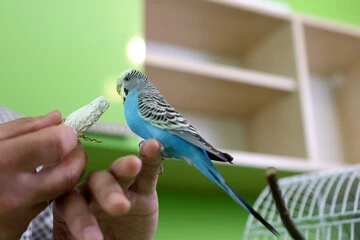
Creating an effective immune support strategy requires understanding both what to do and what to avoid. These practical guidelines help you navigate immune health maintenance for your feathered companion.
Do provide balanced nutrition as your foundation. Quality pellets should comprise approximately 60-80% of your bird’s diet, supplemented with fresh vegetables, appropriate fruits, and species-specific treats. Nutritional deficiencies compromise immune function more severely than most owners realize.
Don’t rely on seed-only diets. Although seeds might appeal to birds’ preferences, most seed mixtures lack crucial nutrients, particularly vitamins A and D3. Birds eating only seeds often develop compromised immune systems despite seemingly eating regularly.
Do ensure adequate sleep and maintain consistent light cycles. Most companion birds need 10-12 hours of dark, quiet time for proper rest. Cover cages at night if necessary to eliminate disturbances and maintain regular sleep patterns.
Don’t smoke near your bird or burn candles, use aerosol sprays, or operate non-stick cookware around them. Birds possess extremely sensitive respiratory systems where inhaled toxins directly damage immune barriers protecting airways.
Do offer fresh, clean water daily. Change water at least twice daily, or more often if your bird dunks food or seems prone to contamination. Consider filtered water if your tap water contains high chlorine levels or other chemicals.
Don’t give human medications to your bird without veterinary guidance. Many common medications like acetaminophen are highly toxic to birds. Similarly, avoid alcohol, caffeine, chocolate, and avocado, as these pose serious health risks.
Do provide appropriate environmental enrichment to reduce stress. Rotate toys regularly, offer foraging opportunities, allow supervised out-of-cage time (when appropriate and safe), and ensure cage setups meet species-specific needs for perches, space, and accessories.
Don’t house incompatible species together or overcrowd cages. Social stress creates chronic cortisol elevation, suppressing immune function. Observe flock dynamics carefully and separate birds showing aggression or bullying behaviors.
Do maintain appropriate humidity levels for your specific bird species. Use humidifiers or frequent misting (species permitting) to prevent excessively dry conditions that compromise respiratory mucosal barriers. Monitor relative humidity with a hygrometer if needed.
Don’t ignore early warning signs of illness. Birds naturally hide weakness, so obvious symptoms often indicate advanced conditions. Reduced activity, appetite changes, fluffed appearance, or unusual vocalizations deserve prompt veterinary attention.
Do wash hands before handling your bird, especially during cold and flu season. While bird diseases rarely transmit to humans, your bird can catch certain human respiratory viruses. Proper hygiene protects both species.
Don’t use essential oils near your bird without veterinary guidance. Many essential oils are toxic to birds, and the concentrated airborne compounds can overwhelm their sensitive respiratory systems.
Do schedule regular wellness check-ups with an avian veterinarian. These professionals can identify subtle health changes before symptoms appear and provide preventative care including appropriate vaccination recommendations.
Don’t assume frozen vegetables equal fresh in nutritional value. While frozen vegetables preserve many nutrients when properly processed, they lack beneficial enzymes and sometimes contain less available vitamin content than truly fresh options.
Do quarantine new birds for 30-45 days before introducing them to your existing flock. This critical period allows observation for developing illness and prevents disease transmission from asymptomatic carriers to your established birds.
Don’t disrupt your bird’s routine unnecessarily. Gradual changes rather than sudden upheavals help maintain stable immune function. When changes prove necessary (like moving to a new home), implement them slowly and with appropriate supportive care.
Do provide year-round immune support through proper nutrition and care. Unlike some mammals, birds don’t typically benefit from cyclical “boosting” that periodically overwhelms natural regulation. Consistency proves more beneficial than sporadic intensive interventions.
By following these guidelines while avoiding common pitfalls, you create conditions supporting robust immune function while eliminating factors that might compromise your bird’s natural defenses.
FAQ About ‘Boost Your Bird’s Immunity’
How long does it take to see improvements in my bird’s immune function after starting supplements?
Immune improvements typically require several weeks to become noticeable. Most birds need 2-4 weeks of consistent supplementation before experiencing measurable immune enhancement. During illness or high stress periods, you might observe response times of 3-7 days as specific immune parameters react more quickly to acute interventions.
Can I give my bird too many immune boosters?
Yes. Even natural supplements can cause problems with excessive dosing. Fat-soluble vitamins (A, D, E, K) accumulate in body tissues and potentially cause toxicity. Certain herbs like echinacea work best in cycles rather than continuous use. Always follow product-specific guidelines and consult your veterinarian about appropriate combinations.
Are immune boosters necessary for young, healthy birds?
Most healthy, well-cared-for young birds don’t require additional supplements beyond a quality diet. Their developing immune systems benefit more from proper nutrition, appropriate environmental conditions, and stress reduction than from concentrated boosters. Exceptions might include breeding situations, seasonal changes, or birds joining new households.
What’s the best time of day to administer immune supplements?
Morning administration typically provides optimal benefits, aligning with natural circadian rhythms when birds are most active and digestive processes operate efficiently. However, consistency matters more than specific timing. Administer supplements at the same time daily to maintain steady nutrient levels.
Can pregnant or molting birds take immune boosters?
Many immune support products prove safe during pregnancy and molting, but formulations vary significantly. During breeding or molt, birds’ nutritional needs change dramatically, making appropriate supplementation potentially beneficial. However, always verify specific product safety for breeding or molting individuals before use, preferably with veterinary guidance.
Should I continue immune boosters year-round or seasonally?
This depends on your climate, bird species, and individual circumstances. Northern regions with harsh winters might benefit from increased winter immune support. Tropical species in climate-controlled homes often thrive with consistent year-round support. Alternatively, rotating supplements every 3-4 months prevents nutrient imbalances and allows different formulations to address changing seasonal needs.
What signs indicate my immune support strategy works effectively?
Positive signs include maintained (or improved) energy levels, consistent appetite, normal droppings, vibrant plumage, and absence of illness during periods when sickness might be expected among your bird’s cohort. More subtle indicators include improved feather quality, enhanced recovery after stressful events, and maintained weight during seasonal changes.
Can different brands of immune boosters be combined?
Combining products sometimes works but requires caution. Some ingredients interact beneficially, while others might compete for absorption or create imbalances. For example, combining multiple vitamin A sources risks toxicity, while mixing certain minerals might reduce bioavailability. Research specific interactions before combining products, and consider professional guidance for complex combinations.
Conclusion: Building Lifelong Immune Resilience
Throughout this comprehensive guide, we’ve explored the multifaceted world of avian immune support, from understanding fundamental immune system functions to practical implementation of various boosting strategies. Building your bird’s immunity isn’t about finding a magical quick fix but rather creating a comprehensive approach addressing nutrition, environment, supplementation, and overall wellness.
The most successful immune support strategies incorporate multiple elements rather than relying on a single approach. Quality nutrition forms your foundation, with proper vitamin supplementation, echinacea for parrots immunity, probiotic pellets for birds, and other targeted interventions creating layers of additional protection. Meanwhile, attention to environmental factors like air quality, temperature control, humidity management, and stress reduction establishes conditions allowing your bird’s natural defenses to function optimally.
Remember that each bird represents a unique individual with species-specific needs, genetic predispositions, and environmental sensitivities. What works brilliantly for one bird might prove less effective for another. This variability makes observation essential – closely monitor your bird’s response to various strategies, adjusting approaches based on clear indicators of wellbeing.
Professional veterinary partnership enhances your success significantly. Regular wellness examinations allow early identification of developing issues before they compromise immune function. Your avian veterinarian provides species-specific insights and personalized recommendations accounting for your bird’s individual health history and current status.
Finally, embrace the journey of supporting your bird’s immune health. The knowledge you gain, the care you provide, and the attention you invest all contribute not just to preventing illness but to promoting vibrant, joyful living. A bird with strong immune function doesn’t just resist disease – they display brilliant plumage, enthusiastic vocalizations, and engaged curiosity that transforms your home into a living celebration of avian vitality.