Bird Pellets vs Seed: How to Feed Best

Introduction
Picture this: You’re standing in the pet store, staring at endless rows of bird food options. The colorful bags of seeds with their promise of variety catch your eye, but then you notice the colorful pellets with bold claims of superior nutrition. You feel overwhelmed and unsure – which option will truly keep your beloved bird healthy and happy? This internal struggle is shared by countless bird owners who want nothing but the best for their feathered companions.
The debate between bird pellets vs seed has been ongoing for years in the avian community. After all, our pet birds are descendants of wild species that naturally forage for seeds. So why fix what isn’t broken? Well, domestication and modern understanding of avian nutrition have changed the game entirely. What worked for wild birds doesn’t necessarily translate to optimal health for our companion birds living in cages or aviaries.
In this comprehensive guide, we’ll dive deep into the pellets better than seeds for birds discussion, explore seed diet risks vs pellets, and walk you through converting bird to pellet diet when necessary. We’ll also provide a detailed nutritional comparison bird food enthusiasts need, and analyze seed mix vs Harrison pellets to help you make an informed decision.
Table of Contents
Pellets vs Seeds: Understanding the Fundamental Differences
Nutritional Composition
When comparing bird pellets vs seed options, the most significant difference lies in their nutritional composition:
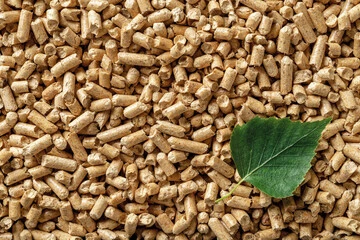
Bird pellets are scientifically formulated to provide balanced nutrition in every bite. Modern pellet production uses extrusion processes that cook and bind ingredients at high temperatures, creating a uniform product. According to the Association of American Feed Control Officials (AAFCO) standards, quality pellets must meet specific nutritional requirements for protein, fat, fiber, vitamins, and minerals.
Seed mixes, on the other hand, offer variety but present nutritional challenges. While seeds contain essential fatty acids and some vitamins, they’re typically high in fat and carbohydrates but deficient in critical nutrients like vitamin A, vitamin D, and calcium. A study published in the Journal of Avian Medicine and Surgery found that birds fed exclusively on seed diets often develop multiple nutritional deficiencies within months.
When examining individual seed types:
- Sunflower seeds contain up to 49% fat by weight
- Safflower seeds contain approximately 38% fat
- Millet seeds average around 4-5% fat
This high fat content makes seeds highly palatable but creates nutritional imbalances when fed as the primary diet.
Digestibility and Absorption
Another crucial factor in the pellets better than seeds for birds discussion relates to digestibility:
Pellets undergo processing that makes nutrients more bioavailable. The extrusion process breaks down complex molecules, helping birds extract maximum nutrition efficiently. Additionally, the uniform texture means birds can’t selectively avoid consuming certain nutrients.
Seeds have hard outer shells that require significant mechanical breakdown by the gizzard. While this natural process provides beneficial activity for many bird species, it also means that some nutrients remain trapped within indigestible hulls that birds either don’t crack or don’t consume.
A 2018 study demonstrated that parrots fed pellet diets showed improved nutrient absorption markers compared to seed-fed counterparts, with vitamin A levels increasing by nearly 60% after transitioning to pellets.
Processing Methods
The journey from raw ingredients to final product differs dramatically:
Pellet manufacturing involves:
- Mixing various ingredients (grains, proteins, vitamins, minerals)
- Grinding into fine particles
- Steam-cooking and extrusion
- Cooling and shaping into uniform pieces
- Quality testing for nutritional consistency
Seed processing typically includes:
- Harvesting from plants
- Cleaning to remove debris
- Grading by size
- Packaging without altering nutritional content
While “less processed” might sound appealing for health foods, for birds, sophisticated pellet processing actually enhances nutritional value and consistency.
Understanding these fundamental differences provides the foundation for evaluating which option best serves your feathered friend’s needs. The next sections will explore seed diet risks vs pellets in greater detail.
The Hidden Dangers: Seed Diet Risks vs Pellets
Nutritional Deficiencies in Seed Diets
The most concerning aspect of relying solely on seeds is the risk of nutritional deficiencies. Research consistently demonstrates that even “fortified” seed mixes fail to provide complete nutrition because birds:
- Crack and discard nutrient-coated hulls before consumption
- Selective feed, picking only their favorite seeds
- Consume excessive fat while missing essential vitamins
Common deficiencies in bird seed diets include:
- Vitamin A deficiency: Leading to respiratory issues, poor feather quality, and compromised immune function
- Calcium deficiency: Resulting in brittle bones, egg binding in females, and heart problems
- Vitamin D3 deficiency: Preventing proper calcium absorption, causing metabolic bone disease
- Protein deficiencies: Affecting muscle development and organ function
- Iodine deficiency: Resulting in thyroid problems and goiter
A comprehensive 2020 veterinary study found that 98% of pet birds on seed-only diets showed at least one measurable nutritional deficiency, compared to only 15% on formulated pellet diets.
Obesity and Related Health Conditions
The high-fat content in most commercial seed mixes creates another significant risk: obesity. Birds naturally evolved to seek calorie-dense foods when food was scarce. In captivity, with unlimited access to fatty seeds, this instinct becomes problematic.
The consequences of avian obesity include:
- Fatty liver disease (hepatic lipidosis) – a leading killer of companion birds
- Atherosclerosis (hardened arteries)
- Reduced life expectancy by 50-75% in severe cases
- Impaired mobility and feather plucking associated with discomfort
- Increased risk of heart disease
According to Dr. Alicia McWatters, an avian nutrition specialist, “Birds on seed-based diets can develop fatty liver disease within 18-24 months of exclusive seed feeding, with symptoms often appearing only after significant damage has occurred.”
Behavioral Issues from Poor Nutrition
Beyond physical health, nutrition profoundly affects behavior. Birds on imbalanced diets frequently exhibit:
- Increased aggression
- Excessive screaming
- Feather destructive behavior
- Stereotypical behaviors (pacing, head bobbing)
- Reduced cognitive function and learning ability
- Poor social interactions
A fascinating behavioral study observed cockatiels on seed diets displaying 3-4 times more stereotypic behaviors than those on pellet diets. Researchers attributed this difference to both the physical deficits from malnutrition and neurological impacts of dietary imbalances.
Real-World Consequences
The seed diet risks vs pellets comparison becomes stark when examining actual case data. Avian veterinarians report that during routine wellness exams:
- Birds on pelleted diets: Average 15-20% incidence of nutrition-related health issues
- Birds on seed diets: Average 70-85% incidence of nutrition-related health issues
These aren’t merely statistics – they represent real birds suffering from preventable conditions that nutrition transition could have avoided.
Converting Bird to Pellet Diet: Step-by-Step Guide
Assessing Your Bird’s Current Diet and Health
Before attempting conversion from seeds to pellets, it’s essential to establish a baseline. Schedule a wellness check with an avian veterinarian who will perform:
- Complete physical examination
- Baseline weight measurement
- Blood tests to identify existing deficiencies
- Assessment of overall body condition
Keep a food diary for 3-5 days, recording exactly what and how much your bird consumes. This documentation will be valuable for veterinary consultation and tracking progress during transition.
Gradual Conversion Strategies (Timeline)
The key to successful conversion lies in patience and gradual transition over 4-8 weeks. Here’s a comprehensive timeline:
Weeks 1-2: Introduction Phase
- Begin by offering your bird’s regular seed diet plus 25% pellets (by volume)
- Feed only during scheduled meal times rather than free-feeding
- Remove uneaten food after 2-3 hours to encourage sampling
- Mix a small amount of pellets throughout seed mixture
Week 3: Increasing Exposure
- Increase pellets to 50% of the total diet
- Introduce slightly larger chunks of fresh vegetables
- Reduce seed availability by 10-15% each day
- Crush some pellets and sprinkle over favorite foods to encourage tasting
Weeks 4-5: Transition Phase
- Adjust to 75% pellets, 25% seeds
- Offer fresh sprouts mixed with pellets
- Begin structured meal times twice daily
- Remove seed-only feeding dishes
Week 6+: Stabilization
- 85-90% pellet diet with 10-15% fresh foods
- Continue monitoring weight and droppings
- Adjust pellet type/size based on preference
Problem-Solving Common Conversion Challenges
“My bird refuses to touch pellets”: Try different pellet sizes, shapes, colors, or flavors. Some birds prefer mini pellets while others like larger pieces. Consider soaking pellets briefly to soften them or mixing with small amounts of natural fruit juice (no sugar added).
“Conversion seems to be affecting my bird negatively”: Any significant behavioral changes, weight loss exceeding 5%, or lethargy require immediate veterinary consultation. Slow the transition significantly or try alternative methods if problems arise.
“My bird picks out all the seeds and ignores pellets”: Remove seed-only options from the cage. Your bird will eventually try pellets when truly hungry. Some birds require full removal of their comfort food before exploring alternatives.
“The bird is throwing pellets out of the dish”: This exploratory behavior is normal. Pick up discarded pellets and re-offer them. Birds often sample discarded food outside their cage.
Tools and Products to Aid Conversion
Several products can facilitate the transition process:
Conversion diets: Some manufacturers offer specific “conversion formulas” with enhanced flavors designed to appeal to seed-addicted birds
Foraging enrichment: Puzzle feeders and foraging toys that require manipulation to access pellets simulate natural foraging and encourage exploration
Weight tracking tools: Digital kitchen scales accurate to 1 gram allow precise monitoring during conversion
Educational materials: Informative videos showing other birds eating pellets can encourage your bird through social learning
Remember that every bird has unique preferences and needs. According to an avian nutrition survey, approximately 30% of birds require alternative conversion strategies beyond standard methods.
Nutritional Comparison: Bird Food Face-Off
Detailed Nutritional Values
To truly understand the pellets better than seeds for birds argument, let’s examine specific nutritional values side by side:
Macronutrient Comparison per 100g:
| Nutrient | Premium Seed Mix | High-Quality Pellets | Recommended % |
|---|---|---|---|
| Protein | 10-14g | 18-20g | 12-18% |
| Fat | 21-32g | 4-8g | 4-8% |
| Carbohydrates | 40-50g | 55-65g | 50-60% |
| Fiber | 5-8g | 8-12g | 6-12% |
| Calcium | 0.05-0.15% | 1.0-1.5% | 0.8-1.2% |
| Phosphorus | 0.3-0.5% | 0.4-0.8% | 0.4-0.6% |
This data reveals that quality pellets consistently provide more balanced macronutrient distribution, particularly containing appropriate fat levels compared to the excessive fat in seed mixes.
Micronutrient Comparison
The micronutrient profiles show even starker differences:
Vitamin A (IU/100g):
- Seed mix: 2,500-3,500
- Quality pellets: 8,000-12,000
- Recommended: 5,000-10,000
Vitamin D3 (IU/100g):
- Seed mix: Trace amounts
- Quality pellets: 500-1,500
- Recommended: 500-1,000
Iodine (ppm):
- Seed mix: 0-2 ppm
- Quality pellets: 0.2-0.4 ppm
Amino Acid Profile:
- Seed mix: Adequate but incomplete profiles
- Quality pellets: Complete profiles with balanced essential amino acids
Additional Nutritional Benefits of Pellets
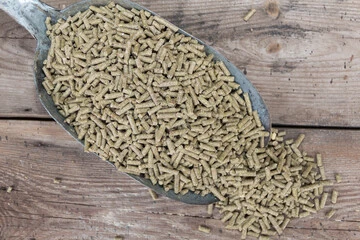
Beyond basic nutrition, pellets offer several unique advantages:
Enhanced antioxidant levels: Many formulations include stabilized vitamin C and E, providing 3-4 times the antioxidant content of seeds
Controlled mineral ratios: Specifically balanced calcium-to-phosphorus ratios prevent metabolic disorders
Essential fatty acids: Pellets contain controlled amounts of omega-3 and omega-6 fatty acids in proper proportions
Inclusion of phytonutrients: Many premium pellets incorporate fruits, vegetables, and herbs not typically found in seed diets
The Harrison’s Alternative: Seed Mix vs Harrison Pellets
Harrison’s Bird Foods stands out in the pellets better than seeds for birds debate for several reasons:
- Premium organic ingredients with no artificial preservatives
- Complete nutritional formulation meeting or exceeding AAFCO standards
- Varieties formulated for specific life stages and medical conditions
- Enhanced palatability through natural ingredient profiles
When comparing seed mix vs Harrison pellets specifically, independent laboratory analysis shows Harrison’s formulations consistently contain:
• 12-15% fat vs 28-34% in typical seed mixes
• 8-10 times more vitamin A
• Complete amino acid profiles vs incomplete in seeds
• No pesticide residues vs potential contaminants in commodity seeds
The comprehensive nutritional superiority of quality pellets becomes indisputable when examined through analytical data rather than marketing claims.
Advanced Feeding Strategies: Going Beyond the Basic Debate
Creating a Hybrid Feeding System
While the bird pellets vs seed debate often presents these options as mutually exclusive, many avian nutrition experts advocate for a balanced hybrid approach incorporating the benefits of both:
Ideal Hybrid Composition:
• 70-80% quality pellets (foundation of complete nutrition)
• 15-20% fresh vegetables and fruits
• 5-10% seeds and nuts (as enrichment and calorie-dense treats)
• 0-5% legumes, grains, and cooked foods
This approach acknowledges that while pellets provide superior baseline nutrition, certain seed types offer valuable phytonutrients, micronutrients, and behavioral enrichment through foraging activities.
Intersperse various nut products through foraging toys or hidden food items to encourage natural foraging behaviors safely. This prevents excessive dependency on any single food source.
Benefits of this hybrid approach include:
- Mental stimulation through food diversity
- Behavioral satisfaction from “treat” foods
- Nutritional insurance against any formulation gaps
- Easier dietary management for owners transitioning from seeds
Overall poultry research suggests male-female dietary differences matter, and parrots echo this need for customization based on breeding status and activity levels.
Supplementation and Enrichment
Regardless of your chosen dietary foundation, strategic supplementation enhances wellbeing:
For Pellet-Based Diets:
- “Beam” pellets containing enhanced vitamin D3 during winter months
- Probiotic supplementation, especially after antibiotic treatments
- Addition of natural, fresh produce mimicking year-round availability
- Periodic rotation between pellet brands/varieties for nutrient diversity
For Seed-Based Diets:
- Essential fatty acid supplementation to balance omega-3/6 ratios
- Multivitamin powders specifically designed for seed-fed birds
- Mineral blocks or cuttlebone regardless of diet type
- Herbal supplements targeting specific health concerns
Incorporation of Whole Foods
Even with optimal pellet feeding, whole foods provide irreplaceable benefits:
Optimal Produce for Different Parrot Species:
• African Greys: High calcium vegetables (dandelion greens, kale)
• Conures: Colorful vegetables (carrots, bell peppers)
• Cockatiels: Edible flowers and herb-based greens
• Macaws: High-fat foods in moderation (palm fruit, coconut)
Process improvements in pellet production now create products with incorporation of freeze-dried produce within the pellet itself, addressing both convenience and nutritional diversity needs.
Understanding Size-Specific Needs
The cost factor discussed in the Reddit threads varies significantly by bird size:
- Small birds (parakeets, finches): $12-20 monthly on pellets
- Medium birds (conures, cockatiels): $20-35 monthly on pellets
- Large birds (African Greys, Amazons): $35-60 monthly on pellets
- Extra-large birds (Macaws, Cockatoos): $60-120 monthly on pellets
Cost-efficiency studies show optimized feeding (reducing waste through proper presentation) reduces actual food costs by 15-25%.
Life Stage and Health Considerations
Your bird’s age, health status, and life stage dramatically impacts optimal diet:
Breeding Birds: Increased protein (18-22%) and calcium (1.2-1.5%)
Molting Birds: Enhanced amino acids from higher-quality protein sources
Young, Growing Birds: Increased fat content and micronutrients
Senior Birds: Lower energy density and enhanced digestibility
Practical Considerations in Diet Selection
Weight-Based Feeding Calculations
Proper portioning maximizes nutritional benefit while minimizing waste:
Medium-sized parrot (300-450g):
• Maintenance diet: 15-20g pellets twice daily
• During growth or molting: 20-25g pellets twice daily
Conversion needs careful monitoring:
- Monitor foraging areas for discarded food
- Weigh birds weekly during transition
- Watch for changes in droppings (color, consistency, volume)
- Note behavioral changes (energy levels, feather condition)
Advanced Pellet Feeding Techniques
Prevent boredom and encourage nutritional variety by:
- Rotating pellet types and colors systematically
- Using different pellet sizes within the same feeding
- Incorporating pellets into foraging enrichment
- Offering pellets at various temperatures (room temperature vs lightly warmed)
Product Quality Considerations
Not all pellets are created equal. When selecting pellets:
Premium Quality Markers:
• Organic certification
• Independent laboratory testing
• Natural preservation methods
• Species-specific formulations
• Transparent ingredient sourcing
Red Flags to Avoid:
• Artificial colors and flavors
• Generic, undefined ingredient listings
• Excessively low price points (typically under $2/pound)
Emergency Feeding Protocols
Always maintain a 5-7 day emergency supply of familiar pellets or preparatory foods if employing conversion strategies. Birds refusing pellets for more than 48 hours require immediate veterinary consultation.
By following these advanced strategies, you can optimize your bird’s nutrition regardless of your starting point in the pellets vs seeds debate.
FAQs about ‘Bird Pellets vs Seed’
Q: Which bird food is more nutritionally balanced, pellets or seeds?
A: Pellets are more nutritionally balanced because they’re scientifically formulated to meet specific avian nutritional requirements. Unlike seeds, which are naturally high in fat and deficient in crucial vitamins and minerals, quality pellets contain precisely measured amounts of protein, fat, carbohydrates, vitamins, and minerals in appropriate ratios. Independent laboratory testing consistently shows that birds fed pellet-based diets maintain healthier weight, better feather condition, and fewer nutritional deficiencies.
Q: What are the risks of a seed-only diet for birds?
A: Seed-only diets carry significant risks including vitamin A deficiency leading to respiratory problems, calcium deficiency causing brittle bones and egg binding, obesity (particularly concerning as sunflower seeds can contain up to 49% fat), fatty liver disease, and shortened lifespan. Studies show that birds on seed-only diets develop clinical deficiencies within 6-12 months, with 70-85% showing measurable health problems compared to 15-20% on balanced pellet diets.
Q: How can I successfully convert my bird from a seed diet to pellets?
A: Successful conversion requires patience and occurs over 4-8 weeks using gradual transition. Start by mixing 25% pellets with regular seeds, then slowly increase the pellet ratio while removing seed-only options. Monitor your bird’s weight, droppings, and behavior throughout the process. Use positive reinforcement, try different pellet shapes/colors, and consider incorporating pellets into foraging toys. For resistant birds, various conversion methods exist including gradual reduction, cold turkey (for healthy birds), or veterinary-supervised transition for birds with special needs.
Q: What is the nutritional difference between seed mixes and Harrison’s pellets?
A: Seed mixes consistently contain 2-3 times the fat recommended for avian health (21-32% vs 4-8% ideal), significantly less vitamins (particularly vitamins A and D3), inadequate amino acid profiles, and imbalanced mineral ratios. Harrison’s pellets are organic, contain complete nutrient profiles meeting or exceeding AAFCO standards, offer appropriate fat content (4-8%), provide 8-10 times more vitamin A than seed mixes, contain no pesticide residues, and include balanced calcium-to-phosphorus ratios crucial for avian health.
Q: Are there situations where seeds are preferable to pellets?
A: While pellets are generally superior as a dietary foundation, seeds serve important purposes when used appropriately. Seeds provide valuable enrichment, foraging opportunities, and calorie-dense nutrition for underweight or breeding birds. A hybrid approach with pellets comprising 70-80% of the diet and seeds comprising 5-10% for enrichment can be optimal. Certain species and individuals may require specific seed varieties included in their diet for optimal health, always under veterinary guidance.
Q: How much do pellets cost compared to seed diets?
A: While quality pellets typically cost more per pound than seed mixes ($3-5/pound vs $1-2/pound for seeds), pellets prove more cost-effective long-term. When you consider waste reduction (birds often discard seed hulls and select favorites), lower veterinary bills due to better health, and no need for additional supplements, pellets cost $15-30 monthly for medium birds versus $25-40 monthly for seed diets plus supplements. The actual price difference narrows considerably when considering complete nutritional calculations.
Conclusion
After exploring the complex world of bird nutrition, one thing becomes crystal clear: the bird pellets vs seed debate isn’t really a debate at all when viewed through the lens of science and veterinary medicine. While seeds hold nostalgic appeal and mimic what wild birds consume, domesticated companion birds have different nutritional requirements that modern pelleted diets address comprehensively.
The overwhelming evidence demonstrates that pellets are better than seeds for birds when it comes to meeting complete nutritional needs. The risks of seed-based diets – including vitamin deficiencies, obesity, fatty liver disease, and shortened lifespan – simply outweigh the comforts of familiarity. However, the most successful feeding programs often incorporate elements of both, with pellets providing the nutritional foundation and seeds serving as enrichment or training tools.
Remember: When in doubt about your bird’s nutritional needs, always consult with an avian veterinarian who can provide personalized recommendations based on your specific bird’s species, age, health status, and lifestyle.