Bird Box Parents Guide: How to Create Dream Nests

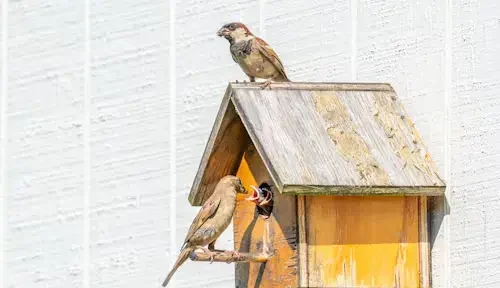
As a bird parent, the Bird Box Parents Guide emphasizes setting up the ideal nesting environment—crucial for your feathered friends‘ health, safety, and breeding success. Whether you’re a first-time bird owner or an experienced aviculturist, understanding the intricacies of bird box setup can make all the difference in creating a thriving avian family.
Table of Contents
Understanding Bird Nesting Box Essentials
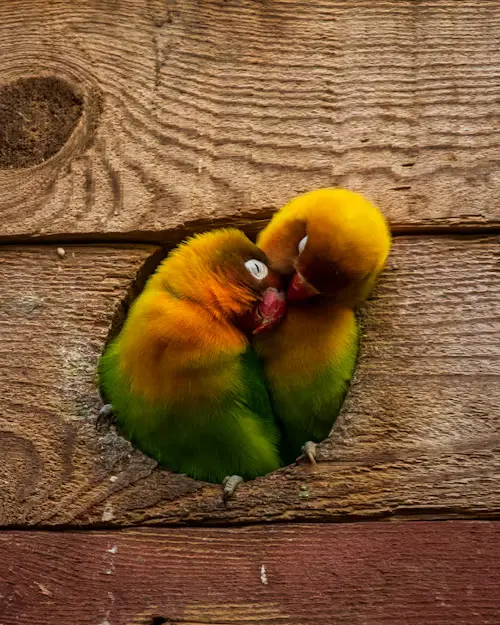
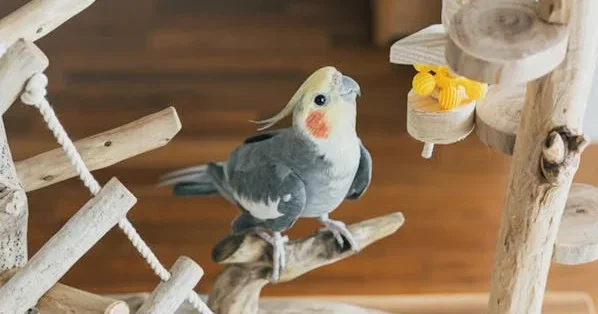
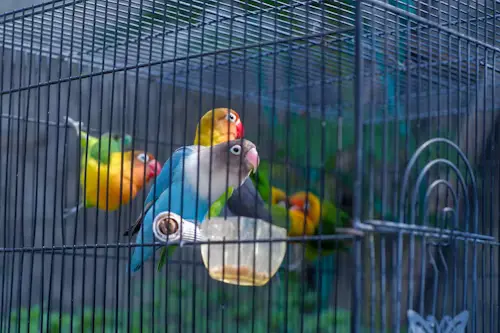
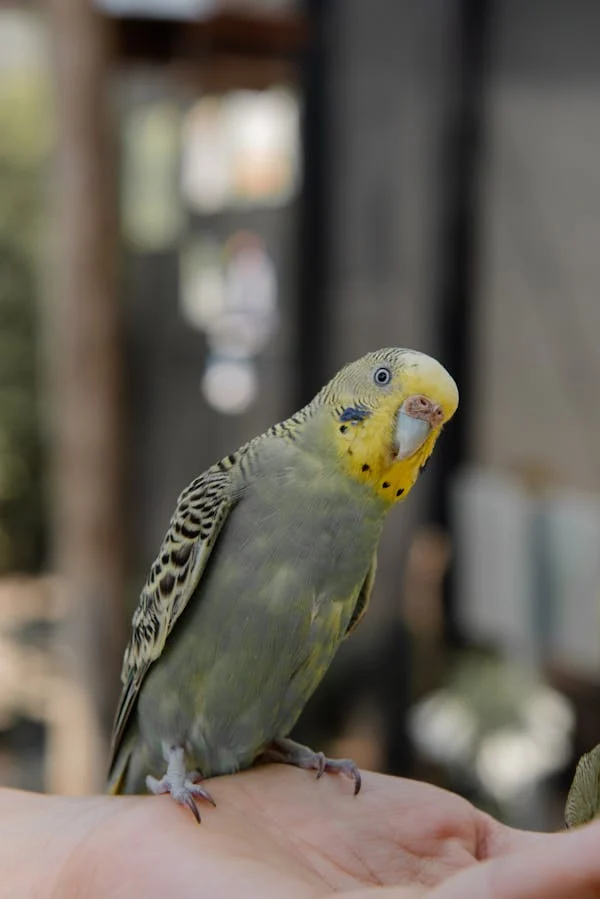
Creating the perfect nesting environment starts with understanding your bird’s specific needs. Different species have varying requirements for nesting box dimensions, materials, and locations. For example, a lovebird requires a different setup than a cockatiel or a parakeet.
The foundation of a successful nesting box begins with the right dimensions. When constructing or purchasing a nesting box, consider the size of your bird species. A general rule of thumb: the height should be approximately 1.5 times the length of your bird, while the width should allow for comfortable movement and wing extension.
“According to avian experts, the entrance hole size is critical for both safety and functionality,” notes the Pet Bird Report. “An entrance that’s too large may expose eggs and chicks to predators, while one that’s too small can prevent parents from efficiently feeding their young.”
Safe Bird Box for Breeding: Materials and Construction
When creating a safe bird box for breeding, the materials you choose are paramount. Opt for:
- Untreated, natural wood such as pine or cedar
- Food-grade, non-toxic paints if you choose to decorate
- Stainless steel or galvanized screws to prevent rusting
- Smooth interior surfaces that won’t harm feet or feathers
“For the health of your birds, completely avoid pressure-treated wood, which contains harmful chemicals,” advises Dr. Jennifer Green, avian veterinarian.
The box should include proper ventilation holes near the top and drainage holes at the bottom. These features help maintain optimal humidity levels and prevent moisture buildup that can lead to fungal growth or respiratory issues.
DIY Bird Box Dimensions: Sizing for Success
When building your own nesting box, accurate dimensions are essential. Here’s a helpful size guide for common pet bird species:
| Bird Species | Box Height (inches) | Box Width/Depth (inches) | Entrance Hole Diameter (inches) | Entry Height (inches) |
|---|---|---|---|---|
| Budgerigar (Budgie) | 7-8 | 6-7 | 1.5-2.0 | 4-5 |
| Cockatiel | 10-12 | 8-10 | 2.5-3.0 | 7-9 |
| Lovebird | 8-10 | 6-8 | 2.0-2.5 | 5-6 |
| Parrotlet | 8-9 | 6-7 | 1.5-2.0 | 5-6 |
“Remember, these are general guidelines,” says bird breeding expert Thomas Miller. “Some birds prefer deeper boxes, while others favor more horizontal space. Observe your birds’ natural behaviors to fine-tune these dimensions.”
Parent Bird Care Guide: Supporting Breeding Pairs
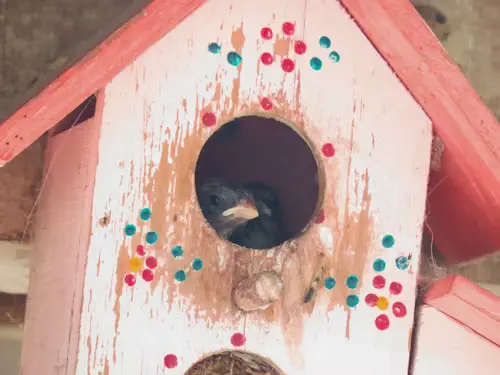
Once your nesting box is set up, understanding parent bird care is essential. Breeding pairs experience significant stress, and proper nutrition becomes even more critical during this time.
Key nutritional needs include:
- Calcium supplements for eggshell strength
- Protein-rich foods for feather development
- Fresh vegetables and fruits for vitamins and minerals
- Clean, fresh water changed daily
“A well-nourished parent bird is more likely to produce healthy chicks and maintain better incubation temperatures,” explains Dr. Sarah Mitchell, avian nutrition specialist. “Supplement their diet with cuttlebone, crushed eggshells, and specialized breeding formulas during the breeding season.”
Monitoring Bird Box Chicks: What to Watch For
The nesting period lasts several weeks, during which monitoring your birds without disturbing them is a delicate balance. When checking on your nesting box:
- Observe from a distance initially to avoid stressing the parents
- Limit box inspections to once per week after the eggs hatch
- Look for regular feeding activity as a sign of healthy chick development
- Note any unusual behaviors like weakened or absent calling, faint movements, or uneven chick sizes
“Disturbing nesting birds can lead to chick abandonment,” warns wildlife biologist Dr. James Peterson. “If you must check, do so quickly and quietly, preferably when both parents are outside the box.”
Creating a Safe Breeding Environment
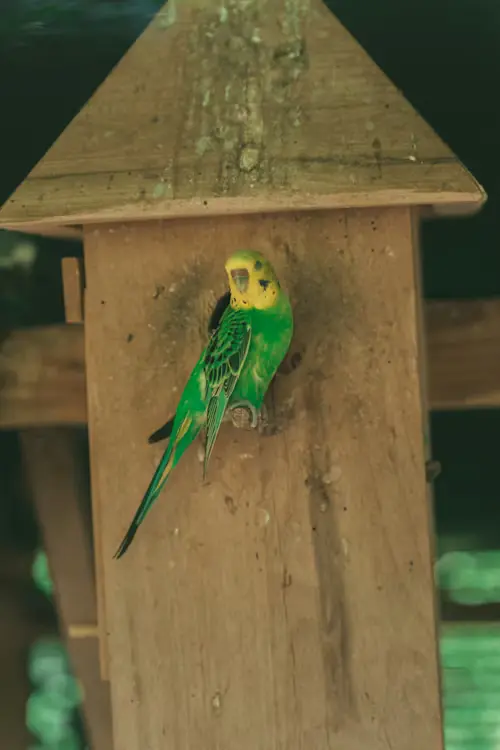
Beyond the nesting box itself, consider these factors for a safe breeding environment:
Location and Placement
- Position nesting boxes away from cage perches to give parents privacy
- Ensure the box isn’t exposed to direct sunlight or drafts
- Place the box at eye level or higher, as many birds feel safer at height
- Maintain a quiet environment during breeding periods
Cleaning Protocol
- Sterilize the box before each breeding season
- Clean nesting materials if disturbed, but don’t continually clean during incubation
- Watch for signs of parasites and treat according to avian veterinarian recommendations
Frequently Asked Questions about ‘Bird Box Parents Guide’
How do I know if my bird box dimensions are correct? The best indication is your bird’s behavior. If they readily enter the box, appear comfortable, and begin nesting behavior, the dimensions are likely appropriate. Birds that hesitate or seem unable to maneuver may indicate sizing issues.
What nesting materials should I provide? Safe options include: untreated paper-based products, coconut fiber, untreated pine shavings, and soft grass. Avoid materials like cotton batting, synthetic fibers, or anything with threads that could tangle feet.
How long should I leave the breeding box in the cage? Remove the box once the current chicks have fledged and been weaned (typically 6-8 weeks after hatching). This allows the parents to rest and prevents chronic egg-laying, which can harm the hen’s health.
Why won’t my birds use the nesting box? Several factors could be at play: insufficient privacy, wrong dimensions, lack of appropriate nesting materials, or the birds might simply not be ready or compatible for breeding. Also, not all companion birds will breed, even with optimal conditions.
Conclusion
Creating the perfect bird box environment requires careful consideration of dimensions, materials, and your birds’ specific needs. By providing a safe, comfortable nesting space with proper nutrition and minimal disturbance, you’ll support your breeding pairs and give chicks the best possible start in life.
Remember that successful breeding is about more than just the physical setup—it requires patience, observation, and a deep understanding of your particular bird species. Start with these guidelines, then observe and adjust based on your birds’ behavior and preferences.
Key Takeaways:
- Research your specific bird species’ requirements before setting up a nesting box
- Prioritize safety by using non-toxic materials and appropriate dimensions
- Support breeding pairs with enhanced nutrition during nesting periods
- Monitor chicks without causing stress to parent birds
- Create a quiet, private environment for successful breeding