Best Price Bird Food: Happy Powerful Saving Tips

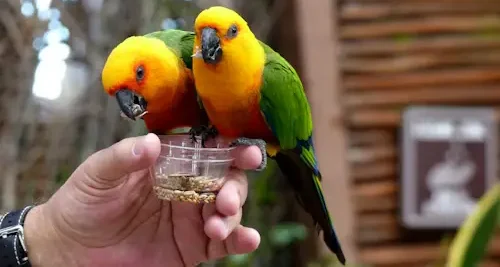
Every morning, as the first light filters through my kitchen window, I hear it—the cheerful chirping of my feathered friends gathering at the feeder. That sound is pure magic. But lately, that magic has come with a growing sense of anxiety. Opening the bag of bird seed has started to feel less like a joyous ritual and more like checking a grocery receipt that keeps climbing higher and higher.
If you’re nodding your head right now, you know exactly what I mean. Watching the price of bird food skyrocket is disheartening. You want to provide for these beautiful creatures, but the cost is becoming a real burden. The good news? You don’t have to choose between your love for birds and your budget. Finding the best price bird food is absolutely possible, and it involves a smart mix of strategy, knowledge, and knowing where to look.
Table of Contents
Why Is Bird Food So Expensive? Understanding the Market
Before we dive into solutions, it’s important to understand why this problem exists. Bird seed isn’t just sitting in a field waiting to be scooped up. It’s a global agricultural product, subject to the same economic forces that affect everything from the price of bread to the price of gas.
The primary ingredient in most wild bird seed mixes is black oil sunflower seed. This little powerhouse is beloved by a vast array of birds. However, sunflower crops are vulnerable to weather patterns, droughts, and pests. A poor harvest in a major growing region like Eastern Europe or the American Midwest can send prices spiraling upward.
Furthermore, the global supply chain is incredibly complex. Seeds are grown, harvested, cleaned, packaged, and then shipped across vast distances. Every step in that chain—from fuel costs for transportation to labor costs for processing—adds to the final price you pay. When fuel prices spike or there are disruptions in shipping lanes, the cost is passed directly to consumers.
Finally, demand plays a significant role. More people than ever are interested in birdwatching and creating wildlife-friendly gardens. This surge in popularity means more people are buying bird food, which naturally drives up prices, especially for premium or specialty blends.
The Hidden Cost of Convenience
Understanding the market explains the baseline price, but there’s another factor you have direct control over: the cost of convenience. This is where many bird enthusiasts unknowingly spend extra money.
- Small Bags at Pet Stores: Buying a 5-pound bag of seed from a local pet store is incredibly convenient, but you’re paying a premium for that convenience. The markup can be substantial compared to bulk options.
- Premium “No-Mess” Blends: These blends often contain hulled sunflower chips or other processed seeds that create less waste under the feeder. While they are convenient, the processing adds significant cost.
- Specialty Feeder Shops: While these stores often have excellent knowledge and a great selection, their overhead costs are higher, and those costs are reflected in their prices.
The key to finding the best price bird food is learning to separate genuine value from mere convenience.
The Power of Bulk: How Buying Big Saves Big
When it comes to bird food, bulk is your best friend. The price per pound drops dramatically when you buy larger quantities. This isn’t just a small difference—it can be the difference between spending $50 and $100 for the same amount of seed over a season.
But buying bulk isn’t just about grabbing the biggest bag you can find. It’s a strategic decision that requires some planning.
Assessing Your Needs: How Much Seed Do You Actually Use?
The first step is to figure out your consumption rate. If you’re currently buying small bags, start tracking how often you go through a bag. Is it weekly? Bi-weekly? Monthly? This will give you a rough estimate of your monthly consumption.
For example, if you’re feeding a moderate number of birds and you go through a 10-pound bag every two weeks, that’s roughly 20 pounds per month. Over a six-month feeding season, that’s 120 pounds of seed. Instead of buying twelve 10-pound bags at a high per-pound price, you could buy three 40-pound bags at a much lower per-pound price and save a significant amount of money.
Where to Find Cheap Bulk Bird Seed
Now that you know how much you need, where do you find it? The best sources for cheap bulk bird seed are often not the first places you might think of.
1. Farm and Tractor Supply Stores
Stores like Tractor Supply Co. or local farm supply stores are goldmines. Their primary customers are farmers and ranchers, so they buy bird seed in massive quantities, which translates to lower prices for you. They often carry large 40, 50, or even 100-pound bags of basic seed mixes at unbeatable prices.
Pro Tip: Look for their house brands. These are often just as good as name brands but cost significantly less.
2. Warehouse Clubs (Costco, Sam’s Club)
These clubs are built on the bulk model. They offer enormous bags of bird seed, often at the lowest per-pound price you’ll find in mainstream retail. The challenge is the initial cost and storage. A 50-pound bag might cost $40, which is a great deal, but you need to have the cash upfront and a dry, rodent-proof place to store it.
A Reddit discussion highlights that many users find Sam’s Club to be a top contender for budget-friendly bulk options.
3. Online Retailers (Amazon, Chewy)
Online shopping offers the convenience of comparing prices from multiple vendors in one place. You can often find deals, especially on larger bags, and have them delivered right to your door. However, be mindful of shipping costs, as heavy bags of seed can make shipping surprisingly expensive.
Pro Tip: Use price-tracking tools or browser extensions to monitor prices and get alerted when they drop.
4. Local Co-Ops and Buying Clubs
Some communities have bird-feeding co-ops where a group of people pool their orders and buy directly from a distributor. This can result in the lowest possible prices. Ask around at local birdwatching groups or nature centers to see if one exists in your area.
Storage Solutions for Bulk Seed
Buying bulk is only a good deal if you can keep the seed fresh and safe from pests. Here are some essential storage tips:
- Use Airtight Containers: Large plastic trash cans with locking lids or metal drums are excellent. They keep out moisture and rodents.
- Store in a Cool, Dry Place: A garage, shed, or basement is ideal. Avoid areas with high humidity or temperature fluctuations.
- Elevate the Container: Keep it off the ground to prevent moisture absorption and make it harder for pests to access.
- First In, First Out: Use the oldest seed first to ensure it stays fresh.
Scoring Affordable Bird Food Deals: The Art of the Hunt
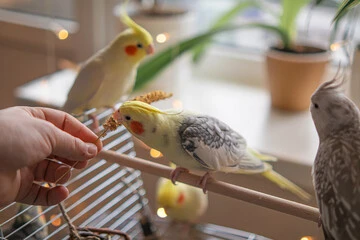
Beyond buying bulk, there are numerous strategies for finding affordable bird food deals. This is where a bit of effort and savvy can pay off handsomely.
Timing Your Purchases for Maximum Savings
Like many seasonal products, bird seed has its sales cycles.
- End of Season (Late Winter/Early Spring): Retailers want to clear out old stock before the new feeding season begins. This is often the best time to find deep discounts on bags of seed.
- Holiday Sales (Black Friday, Cyber Monday): Many online and brick-and-mortar stores offer significant discounts on bird food as part of their holiday promotions.
- Spring Clearance: As the weather warms and bird activity changes, some stores will discount seed to make room for spring garden supplies.
Planning your major purchases around these sales events can save you 20-50% or more.
Coupons, Loyalty Programs, and Cashback Apps
Don’t underestimate the power of a good coupon or loyalty program. Many large retailers and warehouse clubs have apps that offer digital coupons and exclusive member pricing.
- Loyalty Cards: Sign up for free loyalty cards at stores like Tractor Supply or local feed stores. They often send out exclusive discount codes via email or text.
- Cashback Apps: Apps like Ibotta or Checkout 51 sometimes offer cashback rewards for purchasing specific brands of bird seed.
- Manufacturer Coupons: Check the websites of major bird seed brands like Kaytee, Pennington, or Wagner’s. They often have printable or digital coupons available.
One user in a popular Reddit thread even suggested buying whole seeds that birds have to work harder to crack, which can make a bag last longer.
The Price of Convenience vs. The Value of DIY
Sometimes the best deal is the one you create yourself. Instead of buying a pre-mixed “finch blend” or “cardinal blend,” consider buying the individual ingredients and mixing your own.
For example, a basic, high-value mix for attracting a wide variety of birds can be made with:
- Black oil sunflower seeds (the staple)
- White proso millet (attracts ground-feeding birds like sparrows and juncos)
- Cracked corn (attracts larger birds like doves and jays)
Buying these three ingredients in bulk and mixing them in a ratio of 2:1:1 (sunflower:millet:corn) will be significantly cheaper than a specialty blend and just as effective.
Finding Discount Wild Bird Feed: Beyond the Big Box Store
The search for discount wild bird feed often leads you to some unexpected and rewarding places.
Local Feed Mills and Grain Elevators
In rural areas, local feed mills or grain elevators can be fantastic sources. They often sell seed by the pound or bushel at very low prices. You might need to bring your own containers, but the savings can be immense. These places are also great for buying cracked corn in bulk, which is a very cheap and effective bird food.
Farmers Markets and Roadside Stands
Some farmers sell bird seed directly from their farms, especially in agricultural regions. This cuts out the middleman and can result in fresher, cheaper seed. It’s also a great way to support local agriculture.
Online Classifieds and Community Groups
Websites like Craigslist or Facebook Marketplace can sometimes have listings for bulk bird seed, often from people who are downsizing their feeding operations or have found a better deal themselves. Always exercise caution and meet in a public place if you pursue this option.
A Facebook birdwatching group can be a valuable resource for learning about local deals and bulk-buying opportunities in your area.
Identifying the Best Value Bird Seed Brands
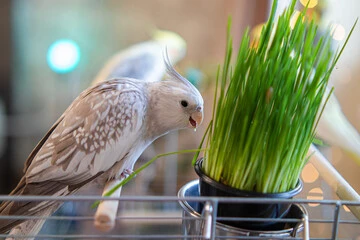
Not all bird seed brands are created equal. Some offer better value for your money than others. The key is to look past the marketing and focus on the ingredients.
What to Look for on the Ingredient List
The first three ingredients listed are the most important, as they make up the largest portion of the mix. Ideally, you want to see:
- Black oil sunflower seeds (hulled or with shells)
- White proso millet
- Peanuts (in the shell or shelled)
Avoid brands that have a lot of “filler” ingredients like red milo, wheat, or oats as their primary components. Many common backyard birds will simply kick these out of the feeder, creating a mess and wasting your money.
Top Value Brands to Consider
While prices vary by region and time of year, these brands are frequently cited for offering good quality at a reasonable price:
| Brand | Known For | Best Value Product |
|---|---|---|
| Pennington | Wide availability, consistent quality | Pennington Classic Wild Bird Food |
| Tractor Supply Co. (Country Lane) | Excellent bulk pricing | Country Lane Value Mix |
| Wagner’s | Specialty blends, strong brand loyalty | Wagner’s Original Blend |
| Lyric | High-quality, no-mess options | Lyric Seed Cylinder |
Remember, the “best” brand is the one that offers the best combination of quality ingredients and low price in your specific area.
DIY Bird Food: Recipes for Savings
Sometimes, the ultimate way to save money and ensure quality is to make your own bird food. This is especially effective for treats like suet cakes or fruit mixes.
No-Cook Suet Cakes (A High-Energy Treat)
Suet is a fantastic high-energy food, especially in winter. Making your own is easy and cheap.
Ingredients:
- 2 parts rendered beef fat (ask your butcher for suet)
- 2 parts quick-cooking oats
- 1 part cornmeal
- 1 part chopped nuts or seeds
- Optional: dried fruit bits, mealworms
Instructions:
- Melt the suet over low heat.
- Remove from heat and stir in the dry ingredients.
- Pour the mixture into molds (you can use paper cups or silicone molds).
- Refrigerate until solid, then remove from molds.
These cakes can be hung from tree branches in mesh bags or suet feeders.
Fruit and Seed Energy Balls
Birds love fruit, and you can combine it with seeds for a nutritious treat.
Ingredients:
- 1 cup smooth peanut butter
- 1 cup quick-cooking oats
- 1 cup mixed bird seed
- 1/2 cup dried fruit (raisins, chopped cranberries)
- 1/4 cup cornmeal (to reduce stickiness)
Instructions:
- Mix all ingredients in a large bowl until well combined.
- Roll the mixture into balls about the size of a golf ball.
- Place the balls on a tray and refrigerate until firm.
- Store in the refrigerator and offer one or two at a time.
For more information on what fruits are safe for birds, check out our guide on whether birds can eat grapes.
Common Bird Feeding Mistakes That Cost You Money
Even with the best deals, you can waste money through common feeding mistakes.
Feeding the Wrong Foods
Offering foods that birds don’t like is a direct waste of money. For example, many commercial mixes contain a lot of milo, which most birds ignore. Buy seed that birds actually want to eat.
Spillage and Waste
Using the wrong type of feeder or placing feeders in windy areas can lead to a lot of wasted seed. Invest in quality feeders with catch trays to minimize waste.
Overfilling Feeders
Don’t fill your feeders to the brim if you know you won’t be able to refill them soon. Seed can spoil or get moldy if it sits too long, especially in damp weather.
Ignoring Pest Problems
If you’re constantly feeding birds but also inadvertently feeding squirrels, raccoons, or mice, your costs will skyrocket. Invest in squirrel-proof feeders and keep the area under feeders clean.
It’s also important to be aware of what not to feed birds. For instance, you might wonder if it’s okay to offer your bird some of your cat’s food. The answer is a definite no—learn why in our article on whether birds can eat cat food.
Frequently Asked Questions (FAQ)
What is the cheapest way to feed wild birds?
The cheapest way is to buy black oil sunflower seeds and white proso millet in bulk from a farm supply store or warehouse club. These two ingredients will attract the widest variety of birds at the lowest cost per pound.
Is it cheaper to make your own bird food?
Yes, especially for treats like suet cakes or fruit mixes. For basic seed, the savings might be minimal unless you’re buying ingredients in very large quantities, but you have complete control over the quality and ingredients.
Does the type of feeder affect how much seed I use?
Absolutely. A poorly designed feeder can lead to significant waste from spillage. A high-quality feeder with a tray to catch falling seeds can reduce your seed consumption by 25% or more.
Can I store bird seed for more than one season?
Yes, if stored properly in an airtight container in a cool, dry place. However, it’s best to use it within a year to ensure maximum freshness and nutritional value.
Conclusion: Your Budget-Friendly Bird Feeding Plan
Finding the best price bird food doesn’t have to be a stressful scavenger hunt. By understanding the market, embracing the power of bulk, and being a savvy shopper, you can keep your feeders full and your finances healthy.
Start by assessing your current spending and consumption. Then, explore the bulk options available in your area. Don’t be afraid to try a new store or mix your own seed. Use timing and deals to your advantage, and consider making some of your own bird food for treats.