Best Bird Food for Finches: Happy Proven Feather Glow Tips


Introduction: The Symphony of a Finch-Filled Garden
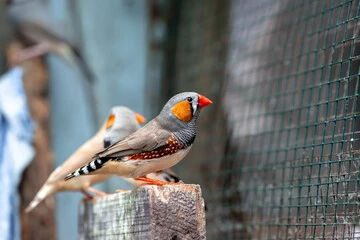
Imagine stepping onto your patio on a crisp spring morning, coffee in hand, and being greeted by a symphony of cheerful chirps and a flash of bright yellow against the green foliage. That’s the magic of finches—a small bird with an outsized personality. These tiny acrobats, whether the vibrant American Goldfinch or the charming Zebra Finch, bring life and color to any space.
But have you ever wondered why some gardens are bustling finch hubs while others see only fleeting visits? The answer often lies in a simple yet powerful factor: food. Providing the right nutrition isn’t just about keeping them healthy; it’s the most direct way to invite them into your world. Understanding their dietary needs is the first step to creating a backyard oasis that feels like a five-star resort for these feathered guests.
This guide dives deep into the heart of what finches truly crave, exploring the science and satisfaction behind the best bird food for finches. We’ll uncover the secrets of nyjer seed, the art of the perfect seed mix, and how to choose feeders that keep the buffet fresh and appealing.
Table of Contents
Why Finches Love Nyjer Seed: The Gold Standard of Finch Food
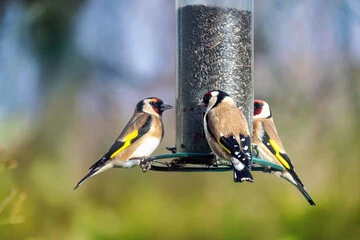
When it comes to finch favorites, one seed stands above the rest: nyjer. Often referred to as thistle seed (though it’s not actually from the thistle plant), nyjer is a tiny, oil-rich seed that is a powerhouse of energy. This makes it an ideal fuel source for the high metabolism of these active birds.
What Makes Nyjer So Special?
- High Fat Content: Nyjer seeds are packed with oils, providing the concentrated energy finches need for flying, foraging, and staying warm during cooler months.
- Small Size: Their diminutive size is perfect for the small beaks of finches like goldfinches, siskins, and redpolls.
- Low Waste: Unlike seeds with large hulls, finches consume the entire nyjer seed, minimizing mess under your feeders.
The demand for nyjer seed for finches is so high because it directly correlates with increased visitation. A study by the Cornell Lab of Ornithology highlights that finches are among the top species attracted to nyjer feeders, often forming social feeding flocks.
Choosing Quality Nyjer
Not all nyjer is created equal. To ensure you’re getting the best:
- Look for seeds that are jet black and shiny. Dull or faded seeds may be old and less nutritious.
- Purchase from reputable bird food suppliers who store the seed properly to prevent spoilage.
- Consider buying smaller quantities more frequently to guarantee freshness. Stale nyjer loses its appeal and nutritional value.
Finch Thistle Feeder Food: Designing the Perfect Dining Experience
While nyjer seed is the star of the menu, the stage it’s presented on is equally important. This is where the concept of “finch thistle feeder food” comes into play. It’s not just about the seed; it’s about the entire feeding system designed specifically for these small birds.
The Importance of Specialized Feeders
Standard tube feeders can be problematic for nyjer:
- Seed Size: Nyjer seeds are so small they can easily spill out of larger feeding ports.
- Perching: Finches prefer to cling to feeders rather than perch on large platforms. They are agile and will hang upside down to reach food.
- Weather Protection: Nyjer can become moldy if it gets wet, so a feeder with a good roof is essential.
Features of the Ideal Finch Feeder
- Small Mesh or Tiny Ports: These allow only a few seeds to dispense at a time, reducing waste and preventing larger, unwanted birds from dominating the feeder.
- A Roof: A wide roof keeps rain and snow off the seed, ensuring it stays dry and fresh.
- Durability: A sturdy construction is vital, as finches can be quite enthusiastic feeders.
A popular choice is the finch sock feeder, a tube made of fine mesh fabric that allows birds to cling and extract seeds directly. This design mimics their natural foraging behavior and is highly effective. You can learn more about different feeder types on the Wild Birds Unlimited website: finch feeders.
Crafting the Perfect Goldfinch Seed Mix
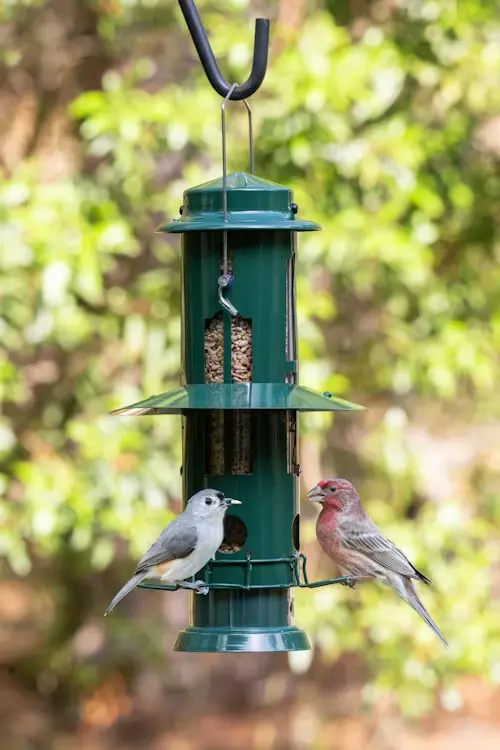
While nyjer is a favorite, offering variety is key to a balanced diet and attracting a wider range of finch species. A well-crafted goldfinch seed mix goes beyond just thistle.
Key Ingredients for a Balanced Mix
- Nyjer (Thistle): The primary component, making up about 60-70% of the mix.
- Cracked Corn: Provides carbohydrates for quick energy.
- White Proso Millet: A small, round seed that many ground-feeding birds also enjoy.
- Safflower Seeds: Slightly bitter to many birds but loved by finches and cardinals; helps deter squirrels and grackles.
- Hulled Sunflower Seeds (Sunflower Hearts/Chips): A high-energy, high-protein treat that is easy for finches to eat. Adding these to nyjer is a proven strategy for attracting more birds, as discussed by bird enthusiasts on Reddit: best seed blend discussion.
Avoiding the Pitfalls
- Cheap Filler Seeds: Avoid mixes heavy in red milo or other large, hard seeds that finches typically ignore. These just create waste.
- Sunflower Seed Hulls: While finches will eat black oil sunflower seeds, the hulls can create a mess and potentially harbor mold. Hulled sunflower seeds are a cleaner option.
A simple, effective recipe you can try at home is:
- 4 parts nyjer seed
- 1 part hulled sunflower seeds
- 1/2 part white proso millet
Mix thoroughly and store in a cool, dry place.
Finch Nyjer Socks: The Ultimate in Convenience and Attraction
Among the various feeder types, finch nyjer socks have gained immense popularity for good reason. These simple, tube-shaped feeders made of fine mesh fabric offer a unique set of advantages.
Why Finch Nyjer Socks Work So Well
- Natural Feeding Behavior: The mesh design allows finches to cling and cling-hop, mimicking how they would feed on seed heads in the wild. This encourages natural foraging instincts.
- Excellent Drainage: The fabric allows rain to drain away quickly, preventing the seed from becoming waterlogged and moldy.
- High Capacity: Socks can hold a large volume of seed, reducing the frequency of refills.
- Visibility: The transparent or light-colored mesh allows you to easily see seed levels.
- Cost-Effective: They are generally less expensive than rigid plastic or metal feeders.
Tips for Using Finch Nyjer Socks
- Hang Them High: Suspend socks at least 5-6 feet off the ground to protect birds from predators.
- Secure the Bottom: Tie a knot at the bottom or use a small weight to prevent the seed from spilling out.
- Clean Regularly: While the mesh is less prone to mold than some feeders, it’s still important to wash socks with a mild bleach solution (1 part bleach to 9 parts water) every few weeks, rinsing thoroughly and allowing them to dry completely before refilling.
- Replace When Needed: Over time, the mesh can become brittle and tear. Replace socks that are damaged to prevent seed loss.
Many bird watchers report a significant increase in finch activity after switching to nyjer socks. One common observation shared in online forums is that goldfinches, in particular, seem to prefer socks over traditional tube feeders, often clinging to them in groups. For a community discussion on feeder preferences, see this thread: finch feeder experiences.
Seasonal Feeding Strategies for Finches
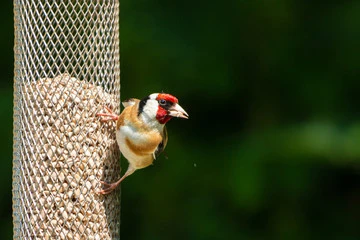
Understanding how a finch’s dietary needs change throughout the year allows you to provide the most beneficial support.
Spring and Summer: Breeding and Raising Young
During the breeding season, finches require extra protein to support egg production and growing chicks. While seeds remain the staple, you can supplement their diet by:
- Offering small amounts of egg food or a commercial bird protein supplement.
- Providing access to natural sources of insects, which parent birds will actively seek out for their nestlings.
- Ensuring a clean, fresh water source is available for drinking and bathing.
Fall and Winter: Energy for Survival
As temperatures drop, the demand for high-energy foods increases. This is the prime time for your nyjer and seed mixes.
- Increase Feeding Frequency: Keep feeders well-stocked. A consistent food source is crucial during harsh weather.
- Consider Suet: While not a primary food, some finches will peck at suet, especially if it contains bits of fruit or insects.
- Prevent Seed from Freezing: In extremely cold climates, consider using a heated bird bath or placing feeders in a more sheltered location to prevent seed from becoming too cold to eat.
Common Mistakes to Avoid When Feeding Finches
Even with the best intentions, it’s easy to make mistakes that can deter finches or even harm them.
1. Using Stale or Moldy Seed
Old or damp seed can harbor harmful fungi and bacteria. Always inspect seed before filling feeders and discard any that looks or smells off.
2. Placing Feeders in Unsafe Locations
Avoid placing feeders too close to shrubs or areas where cats can hide. A location with a clear view of the surroundings helps finches feel safe from predators.
3. Neglecting Feeder Cleanliness
Dirty feeders are a breeding ground for disease. Regular cleaning is non-negotiable for maintaining a healthy bird population.
4. Offering the Wrong Seed Mix
As mentioned earlier, avoid mixes full of filler seeds like red milo. They are a waste of money and offer no nutritional value to finches.
5. Inconsistent Feeding
Birds come to rely on reliable food sources. If you start feeding, try to maintain it, especially during winter months. If you must stop, do so gradually by reducing the amount of food over a period of weeks.
Creating a Finch-Friendly Habitat Beyond the Feeder
While food is the primary attractant, creating a holistic habitat will encourage finches to not just visit, but potentially stay and nest.
Water: The Essential Attractant
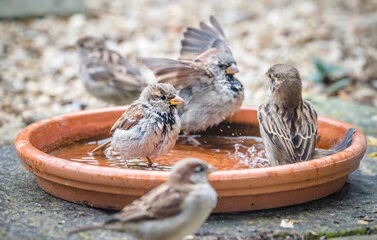
A clean birdbath, especially one with moving water like a dripper or mister, is incredibly attractive to finches. They need water for drinking and bathing to keep their feathers in good condition. Change the water frequently to prevent mosquito breeding and the spread of disease.
Shelter and Nesting Sites
Plant native trees and shrubs that provide cover from predators and harsh weather. Evergreens like spruce and pine are excellent choices. Some finches, like House Finches, will readily use nesting boxes, while others, like Goldfinches, prefer to build open-cup nests in dense vegetation.
Native Plants for Natural Food
Incorporating native plants into your landscape provides a natural source of seeds, insects, and nesting materials. Plants like coneflowers, sunflowers, and asters are excellent choices for attracting finches and other seed-eating birds.
For those interested in keeping finches as pets, providing a balanced diet is crucial. Explore our selection of healthy birds and care guides at white zebra finch care.
Frequently Asked Questions (FAQs) About the Best Bird Food for Finches
Q: How often should I refill my nyjer feeder?
A: Check your feeder daily. The refill frequency depends on the number of visiting birds and the size of your feeder. In peak seasons, you may need to refill every few days. Always remove any old or wet seed before adding fresh.
Q: Can I mix nyjer with other seeds in a regular tube feeder?
A: Yes, but ensure the feeding ports are small enough to prevent the nyjer from spilling out. A mix with hulled sunflower seeds is popular and nutritious. However, a dedicated finch feeder or sock will yield the best results.
Q: Why aren’t finches visiting my new feeder?
A: It can take time for birds to discover a new food source. Ensure you’re using fresh, high-quality nyjer. Consider placing the feeder near existing cover but away from areas where predators might lurk. Sometimes, adding a second feeder or moving the first one to a different location can make a difference.
Q: Is it okay to feed bread to finches?
A: No. Bread offers little to no nutritional value and can be harmful to birds, especially in large quantities. It can also lead to health problems and pollute water sources.
Q: Should I feed finches during the summer?
A: Yes. While natural food sources are more abundant in summer, a reliable feeder provides essential nutrition, especially during the breeding season when energy demands are high. Always ensure fresh water is available.
Q: How do I keep ants and other pests out of my nyjer sock?
A: Use an ant moat, a small cup filled with water that is placed above the feeder. Ants cannot cross the water barrier. You can also hang the sock from a hook that has a built-in ant guard.
Conclusion: Your Backyard, a Finch Paradise
Attracting finches is more than just hanging a bag of seed; it’s about understanding their needs and creating an environment where they can thrive. By focusing on the best bird food for finches—primarily fresh, high-quality nyjer seed—and pairing it with the right feeder, like a nyjer sock, you’re laying out the welcome mat.
Ready to create your own finch paradise? Share your experiences, favorite seed mixes, or photos of your feathered visitors in the comments below! For more tips on bird care, explore our other resources like zebra finch birds for sale.