Baby Bird Formula: Happy Ultimate Feeding Guide

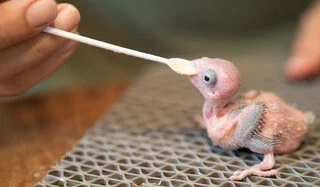
You’ve found a helpless little bird on the ground, and your heart immediately goes out to it. You want to help, but feeding a baby bird requires proper knowledge and the right baby bird formula to ensure survival. Using the wrong food or incorrect feeding techniques can cause serious harm or even death.
This comprehensive guide will walk you through everything you need to know about baby bird formula, from selecting the best baby bird hand-feeding formula to creating emergency substitutes when commercial options aren’t available.
Table of Contents
Understanding Baby Bird Nutrition Needs
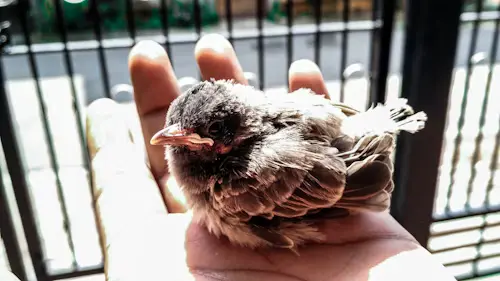
Baby birds have very specific nutritional requirements that differ significantly from adult birds. Their bodies are growing rapidly, requiring precise ratios of proteins, fats, carbohydrates, vitamins, and minerals for proper development.
The right baby bird formula provides:
- Complete proteins for muscle and feather development
- Essential fatty acids for brain and nervous system growth
- Calcium for strong bone formation
- Vitamins A, D, E, and K for overall health
- Balanced energy sources for their high metabolism
Emergency baby bird formula should only be temporary until you can obtain proper nutrition from reputable sources.
Types of Commercial Baby Bird Formulas
Kaytee Exact Hand Feeding Formula
Kaytee exact baby bird formula stands out as one of the most trusted options in the market. Developed through extensive research, this formula was one of the first instant formulas specifically designed for baby birds.
Key benefits include:
- Scientifically formulated to match natural feeding patterns
- Includes probiotics for digestive health
- Contains DHA for brain and visual development
- Easy to prepare with consistent results
- Used by veterinarians and professional breeders
The formula comes in various sizes and is suitable for different species of baby birds, from tiny hatchlings to fledglings preparing for independence.
Harrison’s Juvenile Hand Feeding Formula
Harrison’s Bird Foods takes a whole-food approach to baby bird nutrition. Their juvenile hand feeding formula is made from premium whole grains and whole legumes, avoiding artificial processing, bleaching, or dyeing.
This formula emphasizes natural ingredients and provides:
- Whole food nutrition from organic sources
- No synthetic preservatives or artificial colors
- Rich in natural enzymes and beneficial compounds
- Excellent for birds with sensitive digestive systems
Homemade Baby Bird Formula Recipe
When commercial formulas aren’t immediately available, a homemade baby bird formula recipe can serve as an emergency substitute. However, this should only be temporary while obtaining proper commercial formula.
Basic emergency recipe:
- Mix 1 part dry infant rice cereal with 3 parts warm water
- Add 1/4 part plain, unsweetened yogurt
- Include 1/8 part hard-boiled egg yolk
- Ensure the mixture reaches proper consistency
Important: Most commercial baby bird formulas include probiotics and digestive enzymes that homemade versions lack. Consult wildlife rehabilitation resources for complete emergency protocols.
Essential Feeding Equipment and Preparation

Choosing the Right Tools
Successful feeding requires proper equipment:
- Feeding syringe (12-20 ml for small birds, larger for bigger species)
- Thermometer for checking formula temperature
- Feeding spoon or crop needle for specific situations
- Paper towels for cleanup and stabilization
Formula Preparation Temperature
Correct temperature is crucial when preparing baby bird formula:
- Ideal feeding temperature: 102°F to 106°F (39°C to 41°C)
- Test on your wrist – should feel very warm but not hot
- Use a thermometer for accuracy
- Never microwave formula directly – creates dangerous hot spots
Feeding Techniques for Baby Birds
How to Feed Baby Bird Formula
Proper technique ensures the baby receives nutrition without risk of aspiration:
- Position the bird correctly – on a towel with head elevated
- Gently stimulate the crop by applying light pressure near the base of the beak
- Introduce the feeding tip at a 45-degree angle
- Allow the bird to actively feed – don’t force feed
- Watch for swallowing – the bird will bob its head when ready to swallow
- Clean immediately after feeding to prevent bacterial growth
Feeding Schedule by Age
| Age/Development | Feeding Frequency | Amount per Feeding | Key Considerations |
|---|---|---|---|
| Hatchling (0-1 week) | Every 2-3 hours | 1-2 ml | Very frequent, small amounts |
| Nestling (1-2 weeks) | Every 3-4 hours | 3-5 ml | Growing appetite and capacity |
| Fledgling (2-3 weeks) | Every 4-5 hours | 5-10 ml | Beginning crop control |
| Pre-fledgling (3-4 weeks) | Every 5-6 hours | 10-15 ml | Transitioning to solids |
Understanding Crop Capacity and Health
Crop Monitoring
The crop is a muscular pouch that stores food before digestion. Monitoring crop health is essential:
- Empty crop time: Should be empty between feedings
- Normal appearance: Full but soft when fed, empty 2-3 hours later
- Warning signs: Hard, swollen, or constantly full crops indicate problems
- Regular weighing: Helps track proper growth and feeding adequacy
Common Feeding Problems and Solutions
Aspiration Pneumonia
- Cause: Food enters lungs during feeding
- Prevention: Proper positioning, correct temperature, gentle technique
- Solution: Immediate veterinary attention if suspected
Sour Crop (Crop Stasis)
- Cause: Food fermenting in crop due to slow digestion
- Prevention: Appropriate formula consistency, proper temperature
- Solution: Veterinary intervention, sometimes crop emptying required
Overfeeding
- Cause: Too much formula at once
- Prevention: Follow age-appropriate amounts, monitor crop capacity
- Solution: Reduce amounts, increase frequency if needed
DIY Emergency Baby Bird Formula Substitute
While commercial formulas are always preferred, you might face situations requiring emergency alternatives. Here are several emergency baby bird formula substitutes that can sustain a bird temporarily:
Dog/Cat Food Option
Soak high-quality dry kitten food in water until soft, then mash thoroughly. This works better for seed-eating birds than insectivorous species.
Hard-Boiled Egg Mixture
Blend hard-boiled egg yolk with water or Pedialyte for emaciated birds needing immediate energy.
Softened Dog Biscuits
Crush premium dog biscuits and mix with warm water to create appropriate consistency.
Remember: These are temporary solutions only. Transition to proper commercial formula as soon as possible.
Species-Specific Considerations
Different bird species have varying nutritional needs:
Seed-Eating Birds (Sparrows, Finches)
- Higher carbohydrate requirements
- Commercial formulas designed for granivores work best
- Kaytee exact offers formulas specifically for these species
Insect-Eating Birds (Robins, Bluebirds)
- Higher protein requirements
- May benefit from formulas with added insects
- Extra calcium supplementation important for insectivores
Omnivorous Birds (Starlings, Grackles)
- Balanced protein and carbohydrate needs
- More tolerant of formula variations
- Benefit from diverse dietary ingredients
Storage and Shelf Life
Proper storage ensures formula safety and effectiveness:
- Unopened packages: Follow manufacturer’s expiration date
- Opened packages: Typically last 30-45 days if stored properly
- Mixed formula: Use within 24 hours, refrigerate unused portions
- Never: Use formula past expiration or showing mold/mildew
When to Seek Professional Help
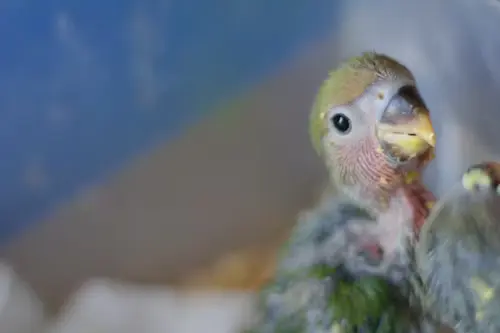
Despite your best efforts, some situations require expert intervention:
- Injured birds – visible wounds, broken wings, or leg problems
- Dehydrated birds – sunken eyes, wrinkled skin
- Birds with parents nearby – many ground-found birds don’t need rescue
- Confused about species-specific needs – consult wildlife rehabilitators
Wildlife rehabilitation centers have access to specialized formulas, equipment, and experienced caregivers who understand how to feed baby bird formula for various species.
DIY vs. Commercial Formula: Making the Right Choice
While understanding homemade options is valuable for emergencies, commercial formulas provide significant advantages:
Commercial Formula Benefits:
- Precisely balanced nutrition
- Extended shelf life
- Consistent quality control
- Species-specific options
- Included probiotics and enzymes
DIY Formula Limitations:
- Nutritional imbalances possible
- Shorter shelf life
- Quality variation between batches
- Missing beneficial additives
Choosing the Right Formula for Your Situation
Consider these factors when selecting baby bird formula:
- Bird species – match formula to dietary needs
- Age and development – different formulas for different stages
- Health status – ill or weak birds may need specialized nutrition
- Available resources – balance between ideal and accessible options
Long-Term Development Considerations
As baby birds grow, their nutritional needs change:
- Transition planning – begin introducing appropriate adult foods around 3-4 weeks
- Natural foraging behaviors – encourage exploration of appropriate foods
- Species-specific diet – research natural diet for successful release readiness
Frequently Asked Questions About Baby Bird Formula
How do I know if my homemade formula is safe?
Test safety through observation:
- Formula should mix smoothly without lumps
- Smell should be neutral, not rancid or sour
- Color should be consistent throughout
- Store mixed portions properly and discard after 24 hours
Can I use human baby formula for birds?
No. Human formulas don’t meet avian nutritional needs and often contain inappropriate ingredients. Always use formulas specifically designed for birds.
How often should I feed a baby bird overnight?
New hatchlings need overnight feedings every 2-3 hours. As they mature, you can eliminate nighttime feedings around 2-3 weeks of age.
What if the formula is too thick or thin?
Proper consistency resembles thin pancake batter:
- Too thick: Add warm water gradually
- Too thin: Add small amounts of powder
- Consistency affects both feeding ease and nutritional value
- This mix can be safe for many birds, but only if used correctly, not as the sole diet and after proper preparation.
Conclusion: Providing the Best Care for Baby Birds
Caring for baby birds requires dedication, knowledge, and the right tools. While discovering an orphaned or injured bird can feel overwhelming, proper baby bird formula and feeding techniques give these vulnerable creatures their best chance at survival.
Remember these key principles:
- Use commercial formulas whenever possible
- Understand proper feeding techniques and schedules
- Monitor crop health and overall development
- Know when to seek professional help
- Never force-feed or use inappropriate substitutes
Have you cared for baby birds before? Share your experiences or questions in the comments below – our bird-loving community is here to support your wildlife rehabilitation journey!