Are Birds Good Pets? Inspiring Loyalty Secrets

Introduction
The mesmerizing sight of a bird soaring through the sky or singing its melodic tune can captivate anyone’s heart. But when asking are birds good pets?, the question extends far beyond their aesthetic appeal or charming vocalizations. The truth about bird companionship encompasses a complex web of considerations—from their emotional needs and longevity to the daily commitment required and the unique joys they bring to a household.
Bringing a bird into your home isn’t merely acquiring a pet; it’s embarking on a long-term relationship with a highly intelligent, social creature that has specific needs and behaviors unlike those of dogs, cats, or other traditional companion animals. Many people are drawn to birds because of stories they’ve heard about talking parrots or the stunning colors of tropical species. However, these initial attractions sometimes lead to impulse decisions that don’t fully account for the reality of bird ownership.
Table of Contents
Benefits of Bird Ownership
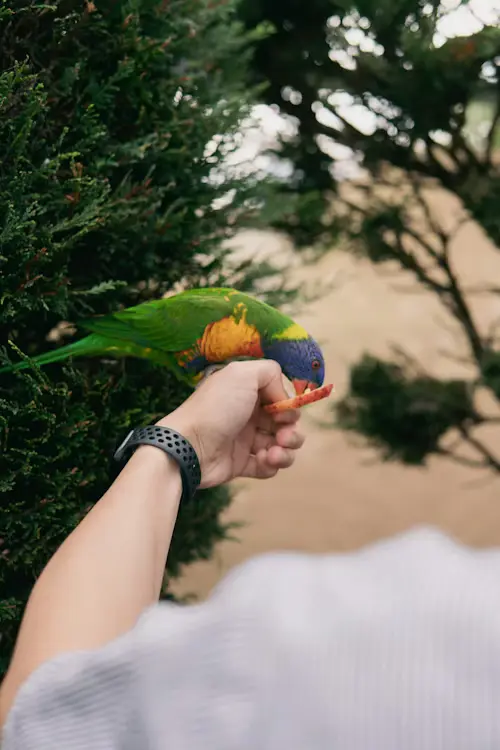
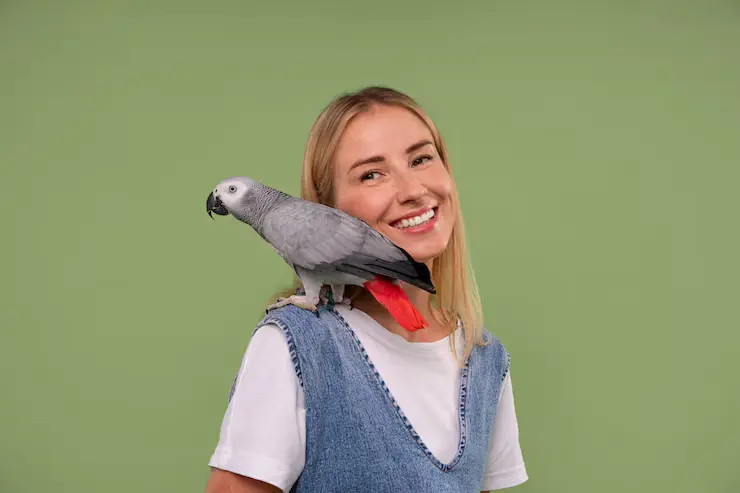
The positive aspects of bird companionship create compelling reasons why many people find birds to be excellent pets. One of the most cherished benefits is the profound emotional connection that can develop between a bird and its human family members. Birds, particularly species like parrots, cockatoos, and macaws, can form deep bonds with their owners, displaying affection through gentle preening, nuzzling, and seeking physical closeness. These relationships often become the cornerstone of daily life for many bird enthusiasts.
Beyond emotional connections, birds offer remarkable entertainment value through their intelligence and personality. Many species can learn tricks, solve puzzles, and develop distinctive personalities that evolve over time. You might find yourself constantly amused by their antics, from playful behaviors to unexpected “conversations”—and yes, many species like African Greys, Amazons, and even some budgies can develop extensive vocabularies and contextual understanding of human speech.
For individuals living in apartments or rental situations where space is limited or pet restrictions apply, birds present an appealing alternative. Many birds thrive in cages when properly stimulated and let out for supervised exercise—making them suitable for smaller living spaces where a dog might feel confined. Their relatively minimal space requirements, combined with the convenience of not needing regular walks, makes birds particularly attractive to busy professionals or those with mobility limitations.
The companionship birds offer can also combat loneliness and depression. Their cheerful vocalizations, especially during morning hours, can bring vitality to a home. For older adults or those living alone, having a bird that greets them enthusiastically, responds to their presence, and requires care can provide meaningful daily interaction and purpose. The routine of feeding, cleaning, and engaging with a bird creates structure and responsibility that benefits both the bird and the owner.
Another compelling benefit is the educational value birds provide. Keeping birds encourages learning about avian biology, behavior, nutrition, and environmental needs. Children growing up with birds often develop enhanced empathy, responsibility, and an appreciation for wildlife conservation. The patience required to build trust with a bird teaches valuable life lessons about respect for animals and the importance of consistent care.
Perhaps most uniquely, certain bird species excel at vocalization and mimicry, providing not just pet companionship but also the intrigue of interspecies communication. The experience of teaching a bird to speak, whistle melodies, or respond to cues creates an interactive dynamic unmatched by many other pets. This ability to “communicate” in some form, even if limited, deepens the bond between bird and owner in ways that many find profoundly rewarding.
Challenges of Keeping Birds

Despite their many appealing qualities, birds come with significant challenges that potential owners must carefully consider. One of the most critical issues is their need for extensive daily interaction and mental stimulation. Birds, especially intelligent parrot species, are social creatures by nature—in the wild, they live in flocks and communicate constantly. As pets, they view their human companions as flock members, and without adequate socialization, they can develop severe behavioral problems including excessive screaming, feather plucking, and self-mutilation.
The time commitment required cannot be overstated. A bird needs several hours of out-of-cage time daily for exercise and socialization, plus time for feeding, cage cleaning, and training. For those with demanding work schedules or frequent travel, this requirement becomes problematic. Birds thrive on routine and can become distressed when left alone for extended periods. If you work full-time outside the home, you’ll need to arrange for bird care during your absence or consider getting a compatible pair, though this introduces its own challenges.
The long lifespan of many bird species represents another substantial commitment. While canaries and finches might live 5-10 years, larger parrots often live decades—African Grey parrots can live 50 years or more, and some macaws reach ages of 80 years or even beyond, outliving their owners and necessitating provisions for their care. This longevity means adopting a bird is essentially welcoming a long-term family member who will require care through major life changes including marriages, child-rearing, career changes, and even retirement.
Financial considerations extend far beyond the initial purchase price. Appropriate housing requires sizeable, well-constructed cages (often $200-$1000+ depending on species), which must be furnished with perches, toys, and feeding stations. Diet presents ongoing expenses—birds need variety beyond simple seed mixes, including fresh fruits and vegetables, specialized pellets, and appropriate treats. Veterinary care adds another layer of costs surprisingly, birds require avian vets for proper treatment, which may be expensive due to the specialized nature of this veterinary field and travel distance to clinics
Noise levels can become problematic, especially with certain species. While some birds vocalize pleasantly, others produce loud, frequent squawks that may disturb household members or neighbors—a consideration particularly relevant for apartment living. Even smaller birds like cockatiels can be surprisingly loud during morning hours or when seeking attention. If consistent quiet environments are needed for work or personal preference, many birds might prove incompatible with these requirements.
Travel limitations affect bird owners significantly. Unlike dogs or cats that can easily join owners on vacations with some planning, birds require specialized care and are difficult to transport. Finding qualified avian pet sitters is more challenging than locating general pet sitters, and boarding facilities for birds are less common. Extended absences require considerable preparation or reorganization of travel plans.
Understanding flock dynamics and temperament helps identify challenges before they arise. Some species have strong flocking instincts and may show aggression toward household members even after years of care, while others bond to a single person, creating tension in multi-person households. Sexual maturity can trigger behavioral changes in parrots, introducing unpredictability in what was once a gentle companion—factors that require preparation and ongoing management.
Best Birds for Different Owners
Selecting the right bird species is crucial for ensuring a positive experience for both you and your feathered friend. Different birds have varying needs, personalities, and care requirements that align better or worse with different owner situations. Understanding these differences helps ensure a suitable match.
For beginners and first-time bird owners, several species stand out as particularly suitable candidates. Budgies (parakeets) represent perhaps the most recommended starting point. These small Australian natives are relatively inexpensive both to acquire and care for, have friendly dispositions when properly socialized, can learn to talk with surprising clarity, and their modest size (around 7 inches) makes cage requirements more manageable. Their gentle nature and adaptability to various household environments make them excellent for learning basic bird care principles.
Cockatiels make another superb choice for beginners. Slightly larger than budgies at about 12-13 inches, cockatiels possess charming personalities, are known for whistling tunes (especially males), and typically maintain a calm, affectionate demeanor. They’re less demanding than larger parrots but more interactive than small finches or canaries, striking a balance that many first-time owners appreciate. Their care requirements are straightforward, though they’ll need a decent-sized cage and regular social interaction.
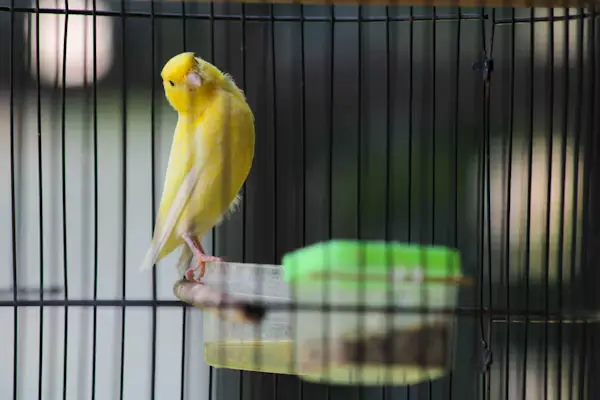
If you prefer gentle, hands-off observation rather than interactive handling, canaries and finches offer delightful alternatives. Canaries, famous for their melodious songs (particularly males), provide calming background music without requiring extensive handling. They’re relatively independent and can be kept singly or in small groups. Similarly, various finch species (zebra, society, or Gouldian finches) create fascinating aviary dynamics with their aerial acrobatics and social behaviors. These species suit owners who prefer watching birds rather than forming one-on-one bonds, though they still require appropriate spacious housing and properly maintained environments.
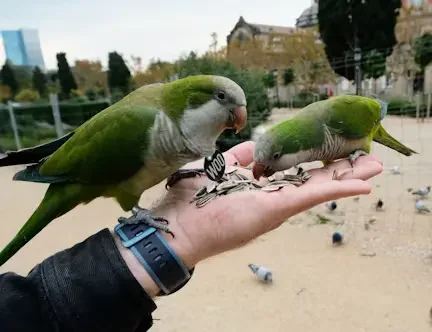
For those drawn to more interactive experiences but concerned about the challenges of larger parrots, consider medium-sized species like green-cheeked conures or quaker parrots. Green-cheeked conures offer playful, relatively quiet personalities with vibrant colors, though they maintain the high intelligence and social need typical of parrots. Quaker parrots (monk parakeets), known for being somewhat territorial yet highly intelligent, can learn substantial vocabularies and tricks, potentially living 20-30 years, offering a middle ground between beginner-friendly species and demanding large parrots.
Families with older children who understand gentle handling might consider lovebirds or parrotlets. Lovebirds display feisty, entertaining personalities and strong pair bonds, though they can be territorial. Parrotlets, despite their tiny size (around 5 inches), carry oversized personalities and can be quite assertive, making them better suited to owners who can establish consistent boundaries and who appreciate spirited companionship.
For committed enthusiasts ready for more complex relationships, species like Indian Ringnecks, Senegal parrots, or even medium-sized cockatoos become considerations. These birds showcase advanced abilities in speech, problem-solving, and emotional sensitivity but also require superior knowledge of avian behavior and dedicated care. Their becoming companion aspect develops with clear commitment to training, diet management, and environmental enrichment.
Large parrot species, including African Greys, Amazon, and Macaws, generally suit only experienced keepers due to their complex needs. African Greys, considered among the most intelligent birds, can develop language skills comparable to young children and often form emotional bonds requiring daily attention and intellectual engagement. Amazon parrots combine striking appearances with outgoing personalities but may display challenging behaviors like territoriality or hormonal aggression. Macaws impress with their size, beauty, and charisma but require substantial space, have powerful voices, and need experienced handling to manage their strength—the scarlet macaw alone can reach 33 inches, demanding properly proportioned housing.
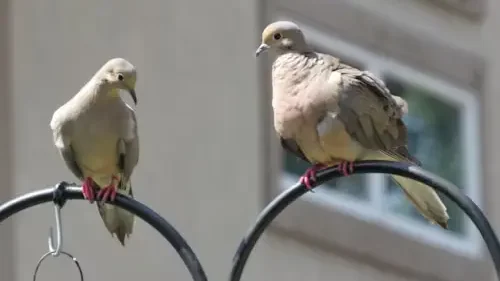
Senior owners or those seeking calm companions might find doves or pigeons surprisingly suitable. These gentle birds can be handled, are primarily quiet, and create peaceful companionship without demanding extensive training or complex diet preparation. Their relatively modest lifespans (around 15 years for ringneck doves) present less extensive commitment than many parrots while still offering meaningful interaction.
Housing and Environmental Requirements
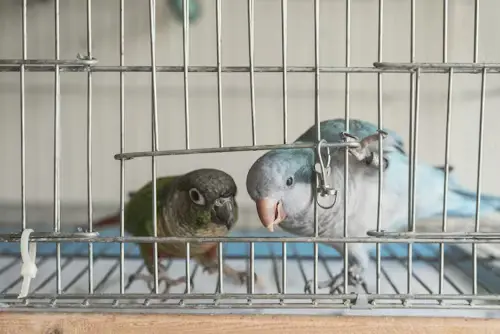
Providing appropriate housing represents perhaps the most fundamental aspect of responsible bird ownership. The cage serves as your bird’s primary living space, and its size, construction, and placement significantly impact your bird’s physical and psychological wellbeing. As a general principle, bigger is always better when it comes to bird cages—the bird should have ample room to fully extend wings, climb vertically, and move between perches without head or tail contact with bars.
Cage dimensions vary wildly by species. A budgie or canary needs considerably less space than an African Grey or macaw. While manufacturers might suggest minimum sizes, experienced bird owners often recommend enclosures at least double these dimensions as the actual standard. The bar spacing presents another critical consideration—too wide allows potential escape or entrapment, while too narrow may damage beaks or feet. The cage material must be durable and non-toxic, as birds chew incessantly. Stainless steel offers excellent longevity, though powder-coated finishes represent common options; however, be aware that some birds may ingest these coatings while chewing.
Beyond the cage itself, environmental factors create the foundation for bird health. Proper temperature regulation keeps birds comfortable, as they’re sensitive to drafts, extreme heat, and sudden temperature changes—room temperatures between 65-80°F suit most pet birds, though specific needs vary by species origin. Humidity levels especially matter for Amazonian species that prefer more humid environments versus African species that tolerate drier conditions. Central heating and air conditioning can create unsuitable conditions without additional humidity control.
Lighting requirements deserve particular attention. Birds need full-spectrum lighting that replicates the UV component of natural sunlight for proper vitamin D3 synthesis and calcium metabolism. While windows provide light, glass filters UV rays, necessitating special avian UV bulbs that should be changed every six months or according to manufacturer guidance, as UV output diminishes over time even when visible light remains apparent. Light/dark cycles help regulate natural behaviors—many owners maintain a consistent day/night rhythm using timers to provide roughly 10-12 hours of light daily, avoiding disruption to the bird’s circadian rhythms.
Placement of the cage significantly influences your bird’s sense of security and participation in household life. Ideal locations offer visual connection to household activities without stressful noise levels or disturbances. Avoid kitchens due to temperature fluctuations, cooking fumes (particularly dangerous around non-stick cookware), and potential chemical hazards. Drafts from doors, direct sunlight creating overheating, or areas where the bird is isolated from family activity present suboptimal situations. Many birds thrive when their cage occupies a corner of living areas where they feel secure from multiple sides yet included in household motion and speech.
Accessories within the habitat add layers to housing quality. Perches provide more than standing space; they’re essential for foot health, requiring variety in diameter (from roughly the size of the bird’s foot to twice that size), material (natural wood of safe species like manzanita, driftwood, or medicinal perches like pumice for nail maintenance), and texture. Avoid uniform dowel perches. Feeding stations should be positioned to minimize contamination from droppings, sometimes using separate dishes for fruits, vegetables, pellets, and water. Many owners employ multiple water sources or bottles to ensure constant access.
Enrichment transforms the cage from shelter to engaging habitat. Toys aren’t luxuries but necessities for mental stimulation—rotating different types prevents boredom, though toys should be safe from small parts, toxic materials, or entrapment hazards. Foraging opportunities mimic natural behaviors, ranging from simple food puzzles to more complex cardboard boxes containing treats. Birds need to work for their food, reflecting their instinctive behaviors in nature and providing engagement that food constantly available in bowls cannot match.
For many bird species, particularly cockatiels, conures, or parrots, access to a bird-proofed room or dedicated aviary for supervised out-of-cage time becomes crucial. This freedom allows flight exercise that caged life cannot provide, satisfies the psychological need for exploration, and enables crucial social interaction. Creating such safe spaces requires removing or securing ceiling fans, windows, mirrors (which birds may perceive as airspace), electrical cords, and potentially harmful household items while providing perches and supervising activity.
Cleaning protocols maintain hygiene within the environment. Daily removal of uneaten fresh foods, replaced cage liners, and washed water dishes prevents bacterial growth. Weekly deep cleaning involves thorough washing of all cage surfaces, perches, and accessories using bird-safe cleaning products like vinegar-water solutions (avoid avicides containing phenols or strong chemicals without proper rinsing and complete drying). Food preparation areas in the home need similar attention to prevent cross-contamination, with dedicated cutting boards for bird food being wise precautions.
Temperature and humidity control devices may become necessary depending on climate and home conditions. Space heaters near cages can create dangerous heat exposure, while covering cages with blankets at night provides warmth in cooling conditions. Some owners use clip-on humidifiers or shallow water trays near heating sources to maintain appropriate humidity during winter months when indoor heating naturally decreases humidity to suboptimal levels.
Bird health depends critically on establishing proper veterinary relationship even for healthy birds. Avian vets specialize in bird care, and annual wellness exams detect issues before they become severe—birds often mask illness until conditions are advanced. Finding an experienced avian practitioner before emergencies arise represents prudent preparation. Common birds like budgies needing emergency care still benefit from established care relationships rather than scramble to locate last-minute services during crises.
Comparing Birds to Other Popular Pets
Understanding how birds compare to cats and dogs offers perspective on whether birds make good pets for your lifestyle. Each type of companion animal possesses distinct characteristics that benefit different owners, households, and situations. Examining these differences provides clarity on what to expect and helps match pet choice to owner circumstances.
Time commitment requirements contrast significantly across species. Dogs require walking, socialization at parks, and typically expect more constant human interaction than most other pets. Cats generally need less structured attention but still benefit from regular play and affection, with many becoming distressed if left entirely alone. Birds fall in an interesting middle ground—they don’t need walking like dogs but demand structured socialization time, mental stimulation, and environmental interaction. Because birds often function within household routines, they can adapt to owner schedules more flexibly than dogs but still need scheduled attention that differs from cats’ more independent approach.
Space considerations present another important distinction. Dogs need room for exercise, and exercise needs vary by breed—some need extensive yards while others manage apartment living. Cats generally require modest territory that can include vertical territory through cat trees and wall shelves. Birds require space primarily in housing (appropriate sized cages) and safe out-of-cage areas for flying and exercise. While a macaw’s cage might dominate a room, the spatial footprint stays confined to specific areas rather than requiring free-run space like dogs or stationing in private areas like cats. For apartment dwellers or those with limited floor space, birds often accommodate better than larger mammals.
Lifespan dramatically affects long-term commitment across pet types. Small mammals like hamsters live 1-3 years; cats typically reach 12-18 years; dogs vary from around 10-16 years based on size; birds span from 5-10 years for small finches to 20-30 years for cockatiels and sometimes over 50 years for larger parrots. This difference in longevity directly influences commitment level—birds require prospective owners to consider decades of care, potentially outliving initial owners and necessitating lifetime care arrangements. The extended timelines with many birds create deeper bonds but also substantial responsibility that many other popular pets simply don’t require.
Costs follow clear patterns when comparing pet types. Dogs typically present highest lifetime expenses through food, supplies, training, grooming, and medical care. Cats rank moderately on expense scales, with indoor living generally reducing some costs compared to dog ownership. Birds demonstrate unique cost structures—initial purchases might range widely from very affordable for small species to exceptionally expensive for rare specimens, but equipment and ongoing care costs remain substantial regardless of species. Avian veterinary care, with its specialized requirements, often exceeds the costs of standard dog/cat medical treatment, and finding experienced practitioners sometimes requires travel to remote locations.
Noise levels differ notably among pet types. Dogs bark, typically alerting to perceived threats, excitement, or boredom; the volume and frequency vary greatly by breed and training. Cats vocalize through meowing but generally produce considerably less intense sounds than dogs. Birds represent a unique category—some species absolutely excel at volume, with many parrots producing screeches that easily travel through walls or overwhelm household communication. Other species, including many smaller birds and some parrots like parrotlets, remain comparatively quiet, though all birds vocalize as part of normal behavior. For apartment living or noise-sensitive households, birds’ vocalization potential presents a sharper contrast to the barking potential of dogs or the subdued sounds of cats.
Toilet habits create practical differences. Dogs must be house-trained or routinely walked for elimination. Cats use litter boxes, effectively containing waste in specific locations with proper maintenance. Birds produce droppings constantly and wherever they perch, though droppings are small. Smartcage placement and protective coverings under cages help manage clean-up, but the “mess wherever bird is” reality affects many owners. Bird droppings, unlike dog waste, don’t require outside disposal but need frequent substrate replacement and surface cleaning to maintain hygiene.
Companion nature and bonding patterns reflect distinct evolutionary backgrounds. Dogs evolved as social hunters with pronounced pack instincts, creating characteristics that mesh well with human social structures—they often read body language, respond to training consistently, and seek human approval. Cats, though more independent than dogs, developed as solitary hunters yet formed commensal relationships with humans, offering mixed independence with clear bonding patterns. Birds, with their flock-oriented natural history, display unique social behaviors—they form pair bonds, establish hierarchies, and engage in complex flock dynamics, often integrating humans in these structures. The bonding with humans differs qualitatively, with many birds showing emotional depth that surprises owners intact but manifests differently than dogs or cats.
Training capabilities and responses differ substantially based on natural behaviors. Dogs respond readily to training through their ancestral hunting cooperation with humans, learning commands and schedules with minimal effort for most owners. Cats can learn but generally respond less consistently to training, displaying independent tendencies that preserve their autonomy. Birds can learn extensive behaviors, tricks, and even contextual language, though their response reflects their evolutionary niche rather than mammalian training patterns, often requiring positive reinforcement approaches and considerable patience.
Transportation remains more challenging for birds than many realize. Carriers commonly transport dogs and cats, and various travel contexts (cars, hotels, flights) accommodate these mammals readily with basic preparation. Birds require more careful preparation involving specialized carriers, climate considerations, and more limited acceptance at facilities. Traveling with birds remains possible but substantially more complex, and standard facilities like boarding kennels typically cannot accommodate avian guests.
The impact on household dynamics varies by pet type. Dogs integrate as family members through constant interaction and shared activities. Cats commonly find their own space while participating selectively in family life. Birds require continual attention and socialization, needing careful integration into household routines without compromising their specialized care requirements. Many birds become essentially small, feathered children, integrating into the family unit with expectations for proper placement and treatment.
Health and safety impact people differently. Dogs offer companionship benefits but carry zoonotic disease risks through behavior and waste management. Cats present scratch and bite potential along with similar waste concerns. Birds carry unique risks including zoonotic diseases (some strains of avian influenza, psittacosis), allergic reactions to feather dander (especially powder down from cockatoos), and greater disease susceptibility during travel or facility exposure. Good hygiene and understanding these risks enables safer interactions for all parties.
Children interact with different pets according to species-specific characteristics. Dogs offer loyal companionship but may present injury risks through exuberant play or protective behaviors requiring supervision. Cats typically better tolerate erratic child behaviors than dogs but still require careful introduction and boundaries. Birds around children present collision risks from flying birds and require extensive education about gentle handling—many birds, especially larger species, may defend themselves with bites if handled roughly, teaching valuable lessons about respecting animals’ boundaries.
Making the Choice for Your Home
Deciding whether birds make good pets for your specific situation requires careful self-assessment across multiple dimensions—lifestyle compatibility, financial readiness, available space, and genuine capacity for meeting birds’ specialized needs. No single answer fits everyone; instead, thoughtful analysis of personal priorities and limitations helps arrive at the right conclusion, whether that means welcoming a bird or reconsidering.
First, take a candid look at available time in your daily routine. Species vary dramatically in social needs—while finches can manage with less direct interaction, parrots thrive on several hours of engagement daily through training, out-of-cage time, allowing socialization, and participating in household activities. If you work long hours, travel frequently, or maintain unpredictable schedules with little flexibility, a bird may struggle with your absence. Even species considered independent still require consistent care that can’t be easily postponed or delegated. Before acquiring a bird, honestly evaluate whether you genuinely have 2-4 hours daily for meaningful interaction, considering how this commitment might change through life events or changing work circumstances.
Examine living situation constraints carefully. Rental agreements might prohibit pets entirely or specifically exclude birds; even “pet-friendly” policies sometimes create problems with birds due to pest or noise concerns. Apartments present additional considerations—many birds vocalize enthusiastically, potentially disturbing neighbors, while larger birds create significant noise levels during normal play or morning activity periods. Home ownership offers more flexibility but may still face HOA regulations or proximity concerns. Birds’ sensitivity to pollutants means cooking fumes, especially from overheated non-stick cookware, prove dangerous, requiring careful kitchen compartmentalization and awareness.
Financial assessment extends far beyond initial purchase. Appropriate housing often represents expenses comparable to or exceeding bird acquisition costs, with larger cages for parrot-sized birds frequently costing several hundred dollars. Ongoing expenses include specialized food (seeds alone provide inadequate nutrition), veterinary care from avian specialists (potentially costly and geographically difficult to access), toys for enrichment (needing frequent replacement), and environmental equipment (UV lighting, humidity control). Emergency medical treatment could easily reach thousands of dollars without this being unusual. Taking a financial inventory helps establish whether you can support this pet type sustainably through single- and multi-bird ownership scenarios.
Household composition critically influences success or potential problems. Young children may accidentally harm birds through overzealous handling, and many birds respond defensively to rapid movements or loud voices that create pressured environment with young children. Elderly family members might face handling limitations or respiratory sensitivities to feather dust. Other pets present mixed situations—dogs and cats, even when well-meaning animals, can cause fatal trauma to birds through startled reactions. Some birds actually thrive with careful canine or feline companionship when properly introduced under supervision, while others remain perpetually stressed by other animal presences. Understanding each household member’s health, activity levels, and attitudes toward a new pet gives clarity on compatibility before bringing a bird home.
Knowledge and experience levels hugely impact readiness. Prior bird-keeping experience provides background understanding of unique needs, veterinary concerns, nutrition requirements, and common health indicators to monitor. Educational resources, aviculture societies, and avian veterinarians offer learning opportunities for novices, yet even moderate experience can’t substitute for the specialized knowledge many bird species require. Seeking mentorship from experienced bird owners or volunteering at bird rescues provides excellent “try before you buy” experiences without immediately committing to ownership.
Matching expectations to reality serves as a crucial filter in decision-making. Birds fascinate potential owners through talking abilities, colorful plumage, or the concept of friendly, trainable companions, yet reality includes feathers scattered throughout living spaces, bird droppings needing constant cleanup, and potentially sharp vocalizations during normal activities. Some birds refuse handling despite months of patient trust-building, while even friendly birds may display seasonal behavioral changes that challenge the initial bond. Entering bird ownership with open-eyed understanding of both joys and challenges helps prevent disappointment and the heartbreaking rehoming that sometimes results from mismatches.
Consider alternatives beyond the “traditional” companion spectrum. Fish, reptiles, or small mammals offer different interaction levels—they may provide observation opportunities without needing extended socialization. Even within bird-keeping, choices vary tremendously; opting for a pair of finches versus a pet parrot dramatically reduces direct interaction needs while still providing bird companionship through songs and activity. Exploring the full spectrum of pet options helps clarify whether features drawing you toward birds truly represent necessary components or if other solutions satisfy your pet-keeping desires more practically.
For prospective bird owners, process-based decisions often serve well. Visiting bird rescues and sanctuaries connects you with knowledgeable staff who understand these commitments deeply and can share realistic perspectives drawn from years of experience with surrendered or problem birds. Many shelters carefully screen adoptions, recognizing that unsuitable placements lead to returns damaging for both birds and people. Such screening processes, while sometimes frustrating to excited prospective owners, fulfill protective functions based on extensive experience and true concern for both human and avian welfare.
If your analysis concludes a bird makes sense for you, start modestly. A single bird matching your available care time, rather than multiple birds or a demanding species, creates manageable entry points into bird keeping. Many experienced bird keepers find that expanding gradually through different species emerging successs—for beginning bird parents—reduces both financial pressure and the psychological weight of multiple specialized commitments.
Conversely, if concerns emerge through your analysis that suggest birds aren’t the right choice, that’s perfectly valid. Responsible pet decisions include knowing when to wait, when to try different pet types, or even when the timing simply isn’t right for any pet. The right decision sometimes means delayed gratification rather than declining an animal a good life or setting yourself up for ongoing stress trying to meet unrealistic needs.
Neophemas – the often overlooked Australian grass parakeets – have much to offer the right bird owner. Read my next article to learn why these charming little birds make excellent companions.