Are Birds Cold Blooded? Best Proven Heat Secrets

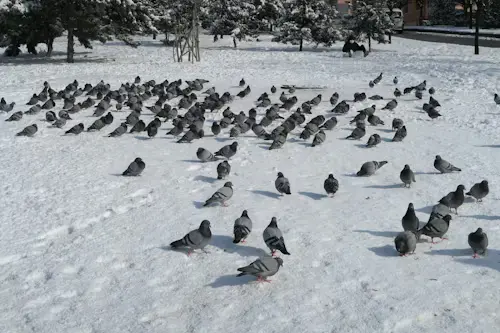
Have you ever watched a robin hop across your frost-covered lawn in the dead of winter and wondered, “How can that tiny creature survive in such freezing conditions?” If you’ve ever questioned ‘Are Birds Cold Blooded?’, you’re not alone. This common misconception has puzzled bird watchers, pet owners, and curious minds for generations.
As someone who’s spent countless hours observing birds in their natural habitats and caring for feathered companions, I can tell you this question touches on one of the most fascinating aspects of avian biology. The answer might just surprise you and completely change how you view these incredible creatures that share our world.
Table of Contents
The Cold Blooded Myth: Why We Get It Wrong
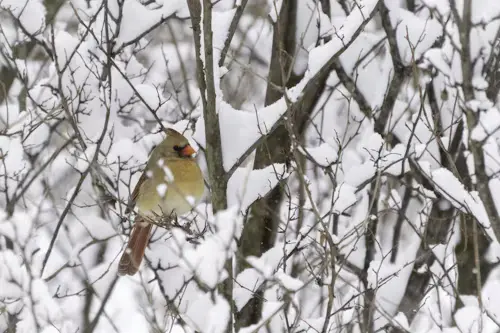
Let’s address the elephant in the room right away: are birds cold blooded animals? The simple answer is no—but why do so many people believe they are?
Several factors contribute to this widespread misunderstanding:
- Reptilian ancestry: Birds evolved from reptiles, leading many to assume they inherited cold-blooded traits
- Environmental behavior: We see birds basking in the sun or seeking shade, behaviors we associate with cold-blooded animals
- Seasonal migration: Birds fly south for winter, which seems like temperature-dependent behavior
- Physical appearance: Scales on legs and similar skeletal structures to reptiles
However, appearances can be deceiving. While birds may share some physical characteristics with reptiles, their internal biology tells a completely different story.
Birds Warm Blooded or Cold: The Scientific Reality
When we ask whether birds warm blooded or cold, science provides a definitive answer: birds are unequivocally warm-blooded, or more accurately, endothermic.
Here’s what makes birds warm-blooded:
Constant Body Temperature
Birds maintain a remarkably stable internal body temperature regardless of external conditions. Most bird species maintain body temperatures between 104°F and 110°F (40°C to 43°C), significantly higher than human body temperature.
This ability to maintain constant internal temperature is called homeothermy, and it’s a hallmark of warm-blooded animals.
High Metabolic Rate
Perhaps the most compelling evidence that birds are warm-blooded lies in their metabolism. bird body temperature regulation requires an incredibly high metabolic rate.
Consider these facts:
- A hummingbird’s heart can beat up to 1,260 times per minute
- Many small birds have metabolic rates 2-4 times higher than similar-sized mammals
- Birds convert food into energy at an astonishing rate to maintain body heat
Endothermic Birds Explained: How It Works
Understanding endothermic birds explained requires diving into the complex biological systems that make avian life possible.
The Science of Internal Heat Production
Endothermy in birds works through several sophisticated mechanisms:
- Muscle activity: Flight muscles generate tremendous heat during wing beats
- Cellular respiration: High oxygen consumption creates metabolic heat
- Shivering thermogenesis: Rapid muscle contractions produce additional warmth
- Non-shivering thermogenesis: Specialized fat tissues generate heat without movement
The Role of Feathers in Temperature Control
Feathers aren’t just for flight—they’re masterpieces of thermal engineering. Birds use their feathers in sophisticated ways to regulate body temperature:
- Insulation: Down feathers trap air close to the body, creating an insulating layer
- Piloerection: Birds can fluff their feathers to increase or decrease insulation as needed
- Counter-current heat exchange: Blood vessels in legs are arranged to minimize heat loss
Comparative Analysis: Reptiles vs Birds Blood
To fully understand reptiles vs birds blood systems, let’s examine the fundamental differences between these two classes of animals.
Metabolic Differences
| Characteristic | Reptiles (Ectothermic) | Birds (Endothermic) |
|---|---|---|
| Body Temperature Range | Varies with environment (60-95°F) | Constant (104-110°F) |
| Metabolic Rate | Low, varies with temperature | Very high, constant |
| Energy Requirements | Low, can survive long periods without food | Very high, must eat frequently |
| Oxygen Consumption | Low | Very high |
| Activity Level | Depends on external temperature | Consistent regardless of temperature |
Evolutionary Adaptations
While birds evolved from reptilian ancestors, they developed entirely different survival strategies:
- Reptiles rely on behavioral thermoregulation (basking, seeking shade)
- Birds rely on physiological thermoregulation (internal heat production)
- Reptiles have slower digestion and lower energy needs
- Birds have rapid digestion and high energy turnover
These fundamental differences in reptiles vs birds blood systems reflect completely different approaches to survival and energy management.
Bird Metabolism Temperature: The Engine That Never Stops
Understanding bird metabolism temperature reveals why birds are among the most energetically demanding animals on Earth.
The High-Octane Avian Engine
Birds possess what scientists call a “high-performance metabolic engine.” This system allows them to:
- Generate enough energy for sustained flight
- Maintain body temperature in extreme conditions
- Support rapid growth and development
- Fuel complex behaviors like migration and courtship
Temperature Regulation Mechanisms
Birds employ multiple strategies for bird metabolism temperature control:
Heat Production
- Flight muscles: The pectoral muscles used for flight generate enormous amounts of heat
- Shivering: Rapid muscle contractions produce additional warmth when needed
- Non-shivering thermogenesis: Specialized brown fat tissue generates heat
Heat Conservation
- Countercurrent exchange: Blood vessels in legs are arranged so warm blood heats returning cold blood
- Feather positioning: Birds can adjust feather angles to trap or release heat
- Reduced surface area: Tucking beaks and feet under feathers minimizes heat loss
Heat Dissipation
- Panting: Rapid breathing evaporates moisture and cools the body
- Gular fluttering: Some birds vibrate throat membranes to increase evaporation
- Wing drooping: Spreading wings exposes blood vessels to air for cooling
Avian Thermoregulation: Nature’s Masterpiece
The complexity of avian thermoregulation is nothing short of miraculous. Birds have evolved an array of sophisticated mechanisms to maintain their internal temperature within narrow limits.
Behavioral Adaptations
Birds use intelligent behaviors to support their physiological temperature control:
- Sun basking: Positioned to maximize solar heat absorption
- Shade seeking: Finding cool areas during hot weather
- Huddling: Grouping together to share body heat
- Postural changes: Altering body position to expose or protect from elements
Physiological Marvels
The internal systems that support avian thermoregulation are engineering wonders:
The Circulatory System
Birds have a four-chambered heart (like mammals) that efficiently separates oxygenated and deoxygenated blood. This allows for:
- High oxygen delivery to tissues
- Efficient heat distribution throughout the body
- Rapid response to temperature changes
The Respiratory System
Bird lungs are among the most efficient in the animal kingdom, featuring:
- Unidirectional airflow: Air flows in one direction through the lungs
- Air sacs: Nine air sacs act as bellows and help with temperature regulation
- High oxygen extraction: Birds extract more oxygen from each breath than mammals
The Nervous System
Birds have sophisticated temperature sensors and control centers:
- Hypothalamus: The brain’s thermostat monitors and adjusts body temperature
- Temperature receptors: Sensors throughout the body detect temperature changes
- Rapid response systems: Automatic adjustments occur within seconds of temperature changes
Do Birds Hibernate Cold? The Winter Survival Question
When we ask, “do birds hibernate cold,” we’re touching on one of the most remarkable aspects of avian survival strategies.
Hibernation vs. Migration
Unlike many mammals, most birds don’t hibernate. Instead, they use different strategies to survive cold weather:
- Migration: Flying to warmer climates where food is available
- Adaptation: Staying in place but adapting behavior and physiology
- Food storage: Hoarding food during warmer months
The Few That Do Hibernate
Interestingly, a small number of bird species do enter states similar to hibernation:
Common Poorwill
This North American nightjar is the only bird known to enter true hibernation. During winter, it can:
- Lower its body temperature from 106°F to as low as 43°F
- Reduce its heart rate from 400-600 beats per minute to just 4-10 beats
- Slow its breathing dramatically
- Enter this state for weeks or even months at a time
Hummingbirds
Many hummingbird species enter a state called torpor nightly:
- Body temperature drops significantly
- Metabolic rate decreases by up to 95%
- Heart rate slows dramatically
- This nightly “mini-hibernation” conserves energy during inactive periods
Winter Survival Strategies
For the vast majority of birds that don’t hibernate, winter survival involves sophisticated adaptations:
Feather Insulation
Birds grow extra down feathers in preparation for winter. These feathers:
- Create multiple layers of insulation
- Trap warm air close to the body
- Can be fluffed or flattened as needed for temperature control
Behavioral Adaptations
Birds use intelligent behaviors to survive cold weather:
- Roosting in groups: Sharing body heat in cavities or dense vegetation
- Seeking shelter: Using tree cavities, birdhouses, or dense foliage
- Sun basking: Positioning themselves to absorb maximum solar heat
- Food caching: Storing food during warmer months for winter consumption
Physiological Adaptations
Birds’ bodies make remarkable adjustments for winter survival:
- Increased fat reserves: Building up energy stores for cold nights
- Enhanced metabolism: Some birds can temporarily increase metabolic rate
- Counter-current heat exchange: Specialized blood vessel arrangements in legs prevent heat loss
- Reduced activity: Conserving energy during the coldest periods
Real-World Examples: Birds in Extreme Conditions
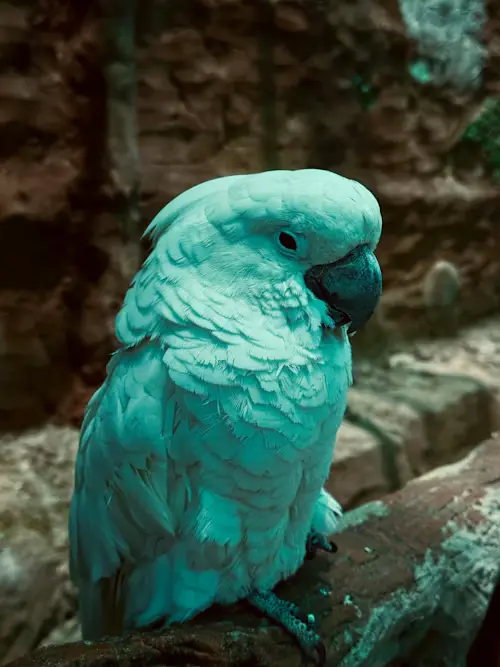
To truly appreciate avian thermoregulation, consider these remarkable examples of birds thriving in extreme conditions:
Penguins in Antarctica
Emperor penguins endure some of the harshest conditions on Earth:
- Temperatures can drop to -76°F (-60°C)
- Wind chill can reach -130°F (-90°C)
- They maintain a core body temperature of 100-104°F (38-40°C)
- They accomplish this through huddling behavior, specialized feathers, and counter-current heat exchange
Arctic Terns
These incredible migratory birds face temperature extremes during their annual journeys:
- They migrate from the Arctic to the Antarctic and back each year
- They experience temperatures ranging from -40°F to 100°F (-40°C to 38°C)
- They maintain constant body temperature throughout these extremes
- Their high metabolic rate and efficient insulation systems make this possible
Desert Birds
Birds in hot environments face the opposite challenge—preventing overheating:
- They use panting and gular fluttering to dissipate heat
- Many are active only during cooler parts of the day
- They seek shade during the hottest periods
- Some can tolerate higher body temperatures than mammals without damage
The Evolutionary Puzzle: How Did Birds Become Warm-Blooded?
Understanding how birds evolved from cold-blooded reptiles to warm-blooded endotherms is one of the most fascinating questions in evolutionary biology.
The Dinosaur Connection
Recent fossil evidence suggests that warm-bloodedness may have evolved earlier than previously thought:
- Dinosaur ancestors: Some dinosaurs show evidence of endothermy
- Feather evolution: Early feathers may have evolved for insulation before flight
- Metabolic changes: Gradual increases in metabolic rate over millions of years
For more insights into the evolutionary journey of birds, check out our detailed exploration of are birds mammals discover the shocking truth about avian evolution.
The Advantages of Warm-Bloodedness
Warm-bloodedness provided birds with several evolutionary advantages:
- Sustained activity: Could remain active regardless of environmental temperature
- Night activity: Could hunt and forage when cold-blooded predators were inactive
- Cold climate survival: Could colonize environments unavailable to cold-blooded animals
- Flight capability: High metabolic rate supports the energy demands of flight
Implications for Bird Care and Conservation
Understanding that birds are warm-blooded has important implications for how we care for them and protect them in the wild.
Pet Bird Care
For bird owners, recognizing your pet’s warm-blooded nature is crucial:
- Temperature control: Pet birds need stable, warm environments
- Proper nutrition: High-quality, nutrient-dense foods to support high metabolism
- Regular feeding: Small birds may need to eat every few hours
- Shelter from drafts: Protect from sudden temperature changes
Learn more about understanding your feathered friend’s needs in our comprehensive guide to budgie bird noises and communication.
Wild Bird Conservation
Conservation efforts must consider birds’ warm-blooded nature:
- Habitat protection: Preserving areas that provide adequate food and shelter
- Climate change impacts: Understanding how changing temperatures affect bird populations
- Migration corridors: Protecting pathways that allow birds to follow seasonal temperature patterns
- Winter feeding: Providing food sources when natural supplies are scarce
FAQ: Are Birds Cold Blooded Animals?
Q: Are birds cold blooded like reptiles?
A: No, birds are not cold blooded. Despite their evolutionary relationship to reptiles, birds are warm-blooded (endothermic) animals that maintain a constant internal body temperature.
Q: Do birds feel cold?
A: While birds don’t “feel cold” in the same way humans do, they are sensitive to temperature changes and have sophisticated systems to maintain their body temperature. They can become hypothermic if their thermoregulation systems are overwhelmed.
Q: Can birds survive freezing temperatures?
A: Yes, many bird species are adapted to survive in freezing temperatures. They use a combination of physiological adaptations (feathers, metabolism) and behavioral strategies (huddling, seeking shelter) to maintain their body temperature.
Q: Do all birds have the same body temperature?
A: Most birds maintain body temperatures between 104°F and 110°F (40°C to 43°C), though there can be slight variations between species and individuals.
Q: Why do birds puff up in cold weather?
A: When birds fluff their feathers, they’re trapping more air close to their bodies for insulation. This is a key part of their temperature regulation strategy.
Q: Do birds sweat?
A: Birds don’t have sweat glands. Instead, they dissipate heat through panting, gular fluttering, and by exposing bare skin areas to the air.
Conclusion: The Remarkable Warm-Blooded World of Birds
So, are birds cold blooded animals? Absolutely not. Birds are sophisticated warm-blooded creatures with some of the most advanced temperature regulation systems in the animal kingdom.
From the tiniest hummingbird to the majestic eagle, every bird maintains a constant, high body temperature through incredible biological adaptations. Their feathers, metabolism, circulatory systems, and behaviors all work together in perfect harmony to keep them warm, active, and thriving in environments that would challenge most other animals.
Have you observed birds using temperature regulation behaviors in your area? Share your experiences in the comments below, and let’s continue exploring the fascinating world of avian biology together!