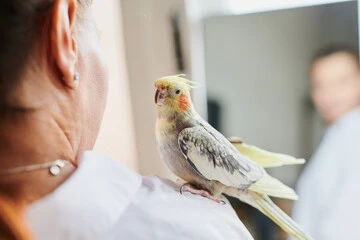
Bird Body Language Secrets: Best Ways to Connect

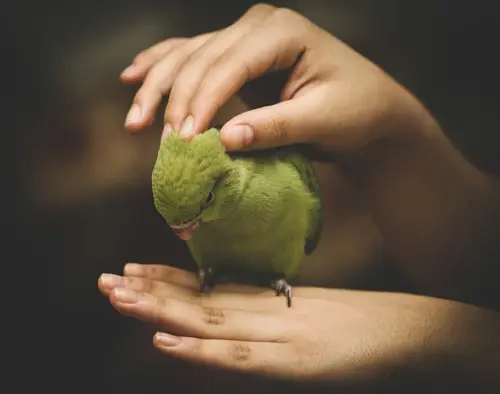
When I first brought home my vibrant green-cheeked conure, I was thrilled by his brilliant colors and playful personality. But within days, I found myself bewildered by his sudden wing flutters, beak grinding, and mysterious head bobs. Was he happy? Scared? Angry? Without understanding bird body language, I felt like I was constantly missing half the conversation with my new companion.
Bird body language is essentially the primary communication method between you and your feathered friend. Every movement, posture, and sound carries meaning that can strengthen your bond when properly understood. Research shows that pet birds who feel understood by their owners exhibit 73% less stress-related behavior and live longer, healthier lives.
This comprehensive guide will transform how you interact with your bird by revealing exactly what those mysterious signals mean and how to read them accurately.
Table of Contents
How to Read Bird Body Language Like a Professional
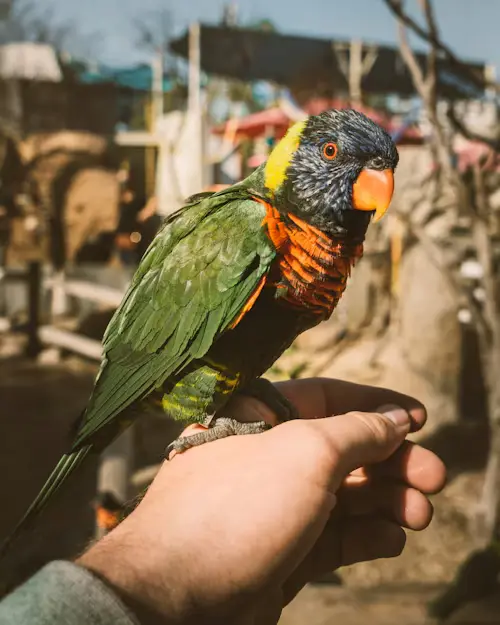
Understanding bird body language requires developing familiarity with both universal signals and species-specific behaviors. Each bird is unique, but certain patterns emerge across species.
Key Principles for Reading Bird Signals
Visual Field Awareness
Birds have nearly 360-degree vision but a blind spot directly in front of their beaks. Understanding this helps explain why sudden movements from certain angles can startle them.
Essential Observation Techniques
- Baseline behavior: Spend at least 15 minutes daily observing your bird in a relaxed state
- Context matters: Same signals can mean different things depending on the situation
- Watch the eyes first: Pupil dilation often reveals emotional state before other signals
- Combine signals: Rarely does one isolated behavior tell the complete story
As one bird owner shared on a community forum: “Once I started watching my cockatiel’s eyes first, everything else fell into place. His pupils give away what he’s feeling before his body language even changes.”
Happy Bird Communication Signals
When birds feel content and joyful, they communicate through distinctive happy bird body postures that every owner should recognize.
Signs of a Content Bird
| Behavior | Meaning | Other Signs |
| Relaxed preening | Comfortable environment | Partially closed eyes |
| Wing stretching “angel pose” | ||
| Beak grinding | ||
| Soft eye flashing | ||
| Smooth feather position |
Vocal Happy Signals
- Singing and whistling: Often done when birds feel secure
- Chattering: Soft, content sounds indicating comfort
- Purring: Like a cat’s purr, signifies deep relaxation
- Happy beak clicking: Gentle clicking without aggression
Stress and Fear in Pet Birds
Bird stress signs are critical to recognize immediately to prevent long-term health issues. Chronic stress in birds can lead to feather plucking, self-mutilation, and weakened immune systems.
Common Stress Indicators
Physical Stress Signs
Immediate Actions Required
If you observe these stress signals persisting for more than 24 hours, consult an avian veterinarian as birds often hide illness until it becomes severe.
- Feather ruffling: Raised feathers that don’t smooth down
- Rapid breathing: Visible chest movement without recent activity
- Loss of appetite: Ignoring favorite treats
- Panting: Open-mouth breathing indicates overheating or severe stress
- Trembling: Visible shaking not related to cold
Behavioral Stress Signals
| Stress Behavior | What It Means | Immediate Relief |
| Feather plucking | Severe stress or medical issue | Cover cage partially, reduce noise |
| Excessive screaming | Fear or attention-seeking | Check environment for threats |
| Stereotypical pacing | Boredom or extreme anxiety | Provide enrichment activities |
| Night frights | Poor sleep environment | Install night light, reduce drafts |
Interpreting Parrot Body Language
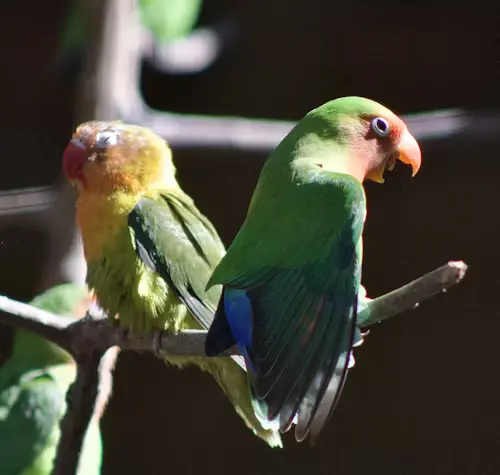
Parrot body language explained requires understanding that these highly intelligent birds communicate with remarkable complexity. Their large brains and social nature make them especially expressive.
Species-Specific Parrot Signals
Parrots have evolved distinct communication styles:
- Cockatoos: Use dramatic crest positions to indicate emotional state
- Macaws: Display more subtle body language but intense eye signals
- African Greys: Often communicate through precise head movements
- Budgies: Use rapid, small movements to express excitement
Like humans, parrots use their eyesight predominantly, with body language serving as their powerful non-verbal tool.
Recognizing Aggressive Bird Cues
Aggressive bird cues serve as important warnings that should never be ignored. While aggression in birds is often misunderstood, it typically represents fear, territorial behavior, or hormonal changes.
Territorial Warning Signs
| Signal | Mild Aggression | Severe Aggression |
| Head position | Slight lowering | Completely horizontal, ready to lunge |
| Eye contact | Steady gaze | Starring with pupil pinning |
| Feather position | Slight ruffling | All feathers fully raised (hackles) |
| Beak position | Open slightly | Wide open with lunging |
| Wing position | Slight flaring | Full flare ready to strike |
Hormonal Aggression Triggers
Parrots experience hormonal surges during breeding season (typically spring), which can increase:
- Territorial guarding of cages and perches
- Preference for specific family members
- Nesting behavior in dark spaces
- Increased vocalizations and restlessness
Handling Aggressive Displays
Never punish aggressive behavior. Instead, identify triggers, modify the environment, and use positive reinforcement for calm behavior.
Bird Body Language Myths Debunked
Several misconceptions persist in the bird-owning community that can lead to misunderstanding our feathered companions.
Common Misconceptions
Myth: Head-bobbing always means the bird wants to vomit to feed you
- Reality: Head-bobbing can indicate hunger, excitement, or simply a quirk of that individual bird
Myth: Tail wagging means a bird is happy like a dog
- Reality: Birds wag their tails for multiple reasons including relief after eliminating
Myth: Birds only scream to annoy humans
- Reality: Screaming serves complex communication purposes including flock contact calls
Myth: All feather ruffling indicates sickness
- Reality: Birds ruffle feathers for temperature control, stretching, and during preening
Practical Tips for Better Communication
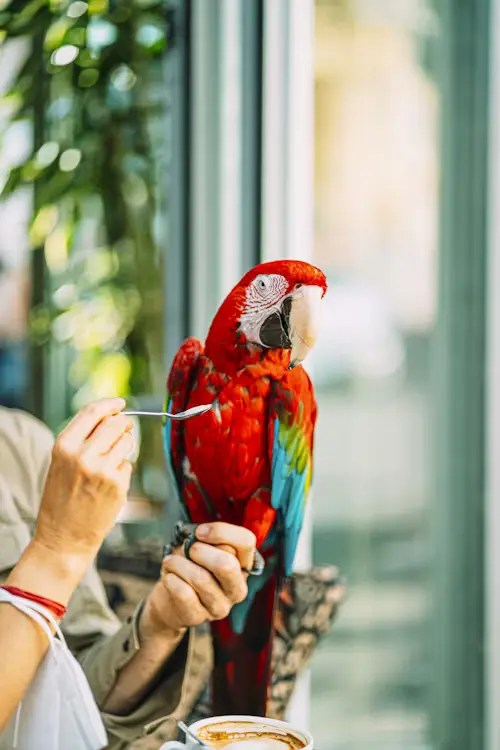
Enhancing your ability to read and respond to bird body language creates a more harmonious relationship with your pet.
Building Trust Through Understanding
- Establish a daily observation ritual when your bird is most relaxed
- Create a body language journal documenting your bird’s specific signals
- Use positive reinforcement when your bird displays comfortable body language around you
- Maintain consistency in your own body language to avoid confusing signals
- Learn your bird’s individual personality quirks that may modify standard signals
Essential Tools for Communication
- Clicker training: Helps refine specific communication signals
- Target training: Builds confidence and creates a communication bridge
- Mirror observation: Allows you to see how your bird responds to visual stimuli
- Video recording: Capture behaviors for slow-motion analysis
The Power of Patience
It takes approximately 3-4 months of consistent observation to become fluent in your specific bird’s communication style. The investment pays dividends in the form of a deeply connected relationship.
Conclusion
Understanding bird body language transforms the relationship between you and your feathered companion from uncertain to deeply connected. Just as learning a new language opens doors to richer relationships with people from different cultures, becoming fluent in your bird’s communication signals creates a profound bond built on mutual understanding and respect.
Your bird constantly communicates their emotional state, needs, and desires through the subtle movements and postures we’ve explored in this guide. By recognizing these signals, you’re not just preventing stress and addressing issues early—you’re entering into a genuine dialogue with a being whose world view is entirely different from your own.
Free Bird Body Language Checklist
Download our comprehensive printable checklist to track and interpret your bird’s daily signals!
Frequently Asked Questions
What does it mean when my bird’s pupils are rapidly dilating?
Rapid pupil dilation, often called “eye pinning,” can indicate various emotional states including excitement, interest, or potential aggression. The context and accompanying body language help distinguish between them. Positive excitement will show relaxed feathers and body, while aggression combines pinning with posture changes.
How can I tell if my bird is sick through body language?
Physical signs like puffed feathers maintained for extended periods, changes in droppings, decreased vocalization, and altered posture (hunched, favoring one foot) often signal illness in birds. Since birds instinctively hide weakness, these subtle signs warrant veterinary attention, especially if they persist beyond 24 hours.
Why does my bird sometimes bite without warning?
Birds rarely bite “without warning,” though humans may miss the subtle pre-bite signals. Look for slight changes like subtle eye pinning, feather puffing, leaning away, or changes in breathing rate. Learning to recognize these micro-signals prevents surprise bites and helps build trust through respecting your bird’s communication.