Bird Treats That Will Make Your Feathered Best Friend Sing with Joy

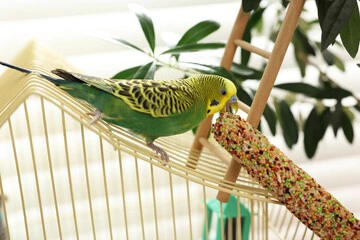
I still remember the first time I tried making homemade bird treats for my cockatiel, Mango. I had just read that many commercial options were loaded with sugar and preservatives, and I wanted something healthier. I mixed together some rolled oats, a bit of honey, and a few seeds, shaped them into tiny balls, and offered them to him. The look of pure delight on his face—head bobbing, eyes bright, wings fluttering—was priceless.
That moment sparked my journey into the world of bird treats, and I’ve learned so much since then. Whether you’re a seasoned bird owner or just starting out, this guide will help you understand how to choose and create the best bird treats for your beloved companion.
Table of Contents
Why Bird Treats Matter
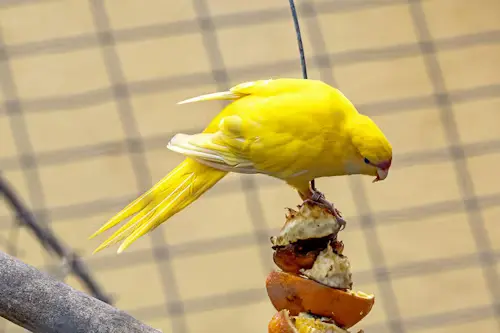
Just like humans enjoy a sweet treat or a crunchy snack, birds thrive on variety. While a balanced diet of pellets, fresh fruits, and vegetables forms the foundation of good bird health, treats play a vital role in mental stimulation, training, and bonding. Think of bird treats as more than just tasty morsels—they’re tools for enrichment and connection.
When used thoughtfully, bird treats can:
- Encourage natural foraging behaviors
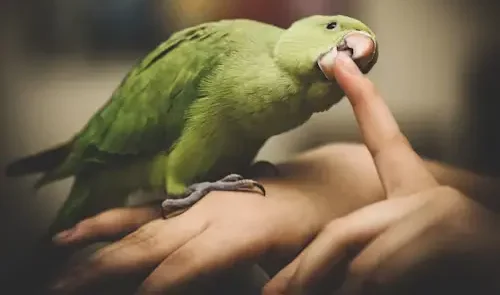
- Strengthen the bond between you and your bird
- Make training sessions more effective and enjoyable
- Provide mental stimulation and prevent boredom
- Offer a way to introduce new, healthy foods
Understanding Your Bird’s Dietary Needs
Birds have unique nutritional requirements that vary by species. Parrots, for example, need a diet rich in vitamins A and D, calcium, and healthy fats. Budgies and cockatiels benefit from a mix of seeds, but too many can lead to obesity. Understanding these needs is the first step in choosing or creating treats that are not only delicious but also beneficial.
Before diving into treat recipes, it’s important to know that treats should only make up about 10% of your bird’s daily diet. The majority should come from high-quality pellets and fresh foods. For more information on balanced diets, check out our guide to Quaker parrot food.
Homemade Bird Treats: Healthy and Fun to Make
One of the best things about making your own bird treats is knowing exactly what goes into them. You control the ingredients, avoid artificial additives, and can tailor recipes to your bird’s preferences and dietary needs.
Simple Oat and Seed Treats
These no-bake treats are perfect for beginners and require minimal ingredients.
Ingredients:
- 1 cup rolled oats (gluten-free if needed)
- 1/2 cup mixed bird seed
- 2 tablespoons honey or unsweetened applesauce (as a binder)
- 1 tablespoon ground flaxseed (optional, for added omega-3s)
- 1/4 cup finely chopped dried fruit (optional, like papaya or mango)
Instructions:
- Mix all ingredients in a bowl until well combined.
- Shape into small balls or flatten into thin cookies.
- Place on a parchment-lined tray and refrigerate for 30 minutes to firm up.
- Store in an airtight container in the fridge for up to a week.
This recipe is inspired by popular homemade bird treats shared by bird care experts.
Gelatin-Based Seed Sticks
For a longer-lasting treat that can be hung in the cage, try this gelatin-based recipe.
Ingredients:
- 1 packet unflavored gelatin
- 1/4 cup cold water
- 1/4 cup boiling water
- 1 cup mixed bird seed
- 1/2 cup black oil sunflower seeds
- 1/4 cup chopped nuts (almonds, walnuts—unsalted and raw)
Instructions:
- Sprinkle gelatin over cold water and let it bloom for 5 minutes.
- Add boiling water and stir until fully dissolved.
- Mix in seeds and nuts.
- Pour into silicone molds or shape into sticks.
- Refrigerate until set, then offer to your bird.
Fruit and Nut Energy Bites
These are especially loved by parrots and conures.
Ingredients:
- 1/2 cup unsweetened shredded coconut
- 1/4 cup almond butter (unsalted)
- 1/4 cup finely chopped dates
- 1/4 cup crushed unsalted nuts
- 1 tablespoon chia seeds
Instructions:
- Combine all ingredients in a food processor.
- Pulse until the mixture sticks together.
- Roll into small balls.
- Chill before serving.
These treats are rich in healthy fats and natural sugars, making them perfect for high-energy birds. For more ideas, see this discussion on high-value treats from the parrot community.
Low-Calorie Bird Snacks
For birds that need to watch their weight or for frequent training rewards, consider these lighter options:
- Dehydrated apple slices: Thinly slice apples and bake at 200°F for 2–3 hours.
- Popcorn: Air-popped, unsalted, and unbuttered.
- Seed sticks: Commercially available or homemade with minimal binder.
Store-Bought Bird Treats: What to Look For
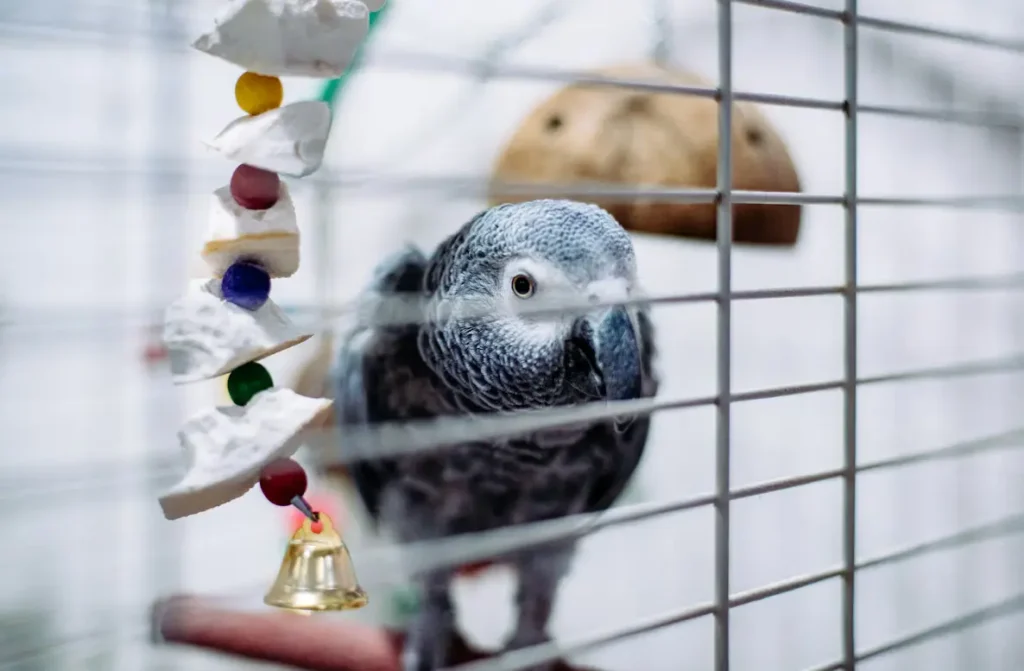
While homemade treats are rewarding, there are excellent commercial options available. The key is reading labels and choosing products with whole, natural ingredients.
Healthy Bird Treat Recipes from Trusted Brands
Many brands now offer healthy bird treat recipes that avoid artificial colors, flavors, and excessive sugar. Look for treats that list real seeds, fruits, or vegetables as the first ingredients.
Some popular options include:
- Millet spray for birds: A natural favorite, often used as a foraging toy.
- Fruit treats for parrots: Dried papaya, mango, or banana pieces.
- Nut treats for budgies: Small pieces of almond or hazelnut.
- Seed mix bird treats: Blends designed for specific species.
Avoid These Ingredients
When choosing commercial treats, avoid those containing:
- Artificial colors (Red 40, Yellow 5, etc.)
- High-fructose corn syrup
- Preservatives like BHA or BHT
- Excessive salt or fat
Using Bird Treats for Training and Enrichment
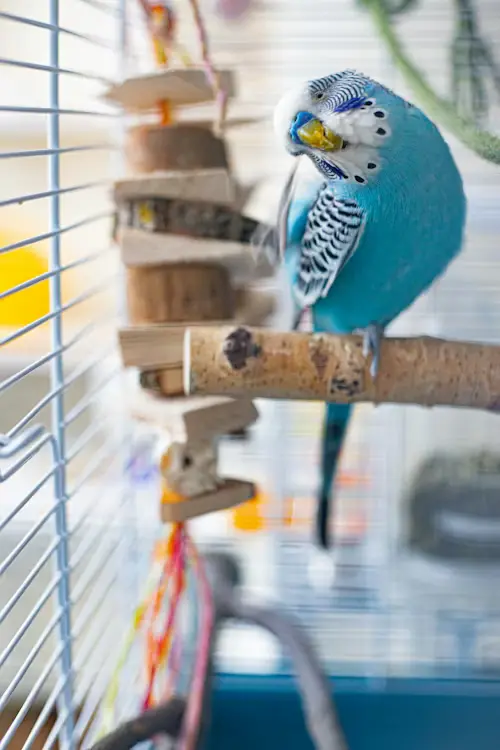
Bird treats aren’t just about taste—they’re powerful tools for positive reinforcement. Whether you’re teaching your bird to step up, wave, or simply come when called, treats can make the process faster and more enjoyable.
Choosing High-Value Treats
Not all treats are created equal when it comes to training. A “high-value” treat is something your bird finds incredibly motivating—something they’d work hard to earn.
As one experienced bird owner shared on a popular forum, finding your bird’s favorite treat is key to successful training. For some birds, it’s a piece of almond; for others, it’s a drop of honey or a bit of cooked quinoa.
Training Tips
- Use small pieces to avoid overfeeding.
- Offer treats immediately after the desired behavior.
- Gradually reduce treat frequency as the behavior becomes consistent.
- Rotate treats to keep your bird interested.
Enrichment Ideas
Bird treats can also be used to encourage natural behaviors:
- Hide small treats in foraging toys.
- Thread treats onto a string for a edible garland.
- Use treat-dispensing puzzles to challenge your bird.
Species-Specific Treat Ideas
Not all birds have the same preferences or dietary needs. Here’s a breakdown by popular pet bird types:
Parrots
Large parrots like African greys, macaws, and Amazons enjoy:
- Nuts in the shell (almonds, walnuts, Brazil nuts)
- Fresh fruit chunks (mango, apple, berries)
- Homemade grain bars
- Small pieces of cooked sweet potato
Budgies and Cockatiels
Smaller birds prefer bite-sized options:
- Millet spray (a classic favorite)
- Small seed mixes
- Crushed pellets mixed with honey
- Finely chopped veggies like carrot or bell pepper
Conures
Active and playful, conures love:
- Walnuts and pecans (in shell for enrichment)
- Cashews and pistachios (unsalted)
- Fruit-based treats
- Foraging toys filled with seeds and nuts
Common Questions About Bird Treats
Are bird treats safe for daily feeding?
No. Bird treats should be given in moderation, ideally no more than 10% of your bird’s daily diet. Overfeeding treats can lead to obesity and nutritional imbalances.
Can I use human food as bird treats?
Yes, but with caution. Safe human foods include plain cooked pasta, unsalted popcorn, and small pieces of fruit or vegetable. Avoid chocolate, avocado, caffeine, alcohol, and foods high in salt or sugar.
How do I know if my bird likes a treat?
Watch for enthusiastic eating, head bobbing, or excited vocalizations. If your bird ignores the treat or throws it around, it may not be appealing.
Can treats help with feather plucking?
While treats alone won’t cure feather plucking, they can be part of an enrichment plan that reduces boredom and stress—common causes of the behavior.
Are freeze-dried treats a good option?
Yes. Freeze-dried treats retain most of their nutrients and have a long shelf life. They’re especially useful for training due to their light weight and easy portioning.
Final Thoughts: Treats as a Tool for Love and Learning
Bird treats are more than just snacks—they’re a bridge to better communication, stronger bonds, and a happier, healthier pet. Whether you’re whipping up a batch of homemade oat treats or selecting a high-quality commercial option, the effort you put into choosing the right treats shows how much you care.
Remember, every bird is an individual. What works for one may not work for another. Take the time to observe your bird’s preferences, adjust recipes as needed, and always prioritize nutrition over convenience.
Ready to Learn More?
If you’re interested in diving deeper into bird care, check out our other articles on bird behavior and nutrition. And if you’ve tried any of these recipes or have your own favorite bird treat ideas, we’d love to hear from you in the comments below!