Where Do Birds Go In The Winter? Best Survival Hacks Revealed

As the first frost settles on your windowsill and the days grow shorter, you might notice something peculiar: the familiar chirping and fluttering that once filled your backyard has suddenly quieted. Where did all the birds go? This age-old question has puzzled humans for centuries, and if you’re anything like me, you’ve probably stood at your window wondering, “Where do birds go in the winter?”
The mystery of bird disappearance during colder months isn’t just a seasonal curiosity—it’s a fascinating exploration into one of nature’s most incredible phenomena. Whether you’re a backyard birdwatcher, a concerned pet bird owner, or simply someone who enjoys the company of our feathered friends, understanding where birds go in the winter can deepen your appreciation for these remarkable creatures.
In this comprehensive guide, we’ll unravel the secrets behind bird migration patterns, explore how different species survive the winter months, and most importantly, discover how you can help both wild and pet birds thrive during the coldest season of the year.
Table of Contents
The Great Migration: Why Birds Leave for Winter
The phenomenon of where do birds go in the winter primarily revolves around one of nature’s most spectacular events: migration. But why do birds undertake these incredible journeys that can span thousands of miles?
At its core, bird migration is driven by three fundamental needs: food, shelter, and breeding opportunities. As winter approaches in northern regions, food sources become scarce. Insects hibernate, seeds are buried under snow, and many plants stop producing fruit. For birds that rely on these food sources, staying put means facing starvation.
Migration isn’t just about escaping the cold—it’s about survival. Birds are remarkably adapted to withstand various temperatures, but without adequate food and water, even the hardiest species cannot survive.
The Science Behind Bird Navigation
One of the most astonishing aspects of bird migration is how these creatures navigate thousands of miles with pinpoint accuracy. Scientists have discovered that birds use multiple navigation methods:
- Magnetic fields: Birds can detect Earth’s magnetic field through specialized cells in their eyes and beaks, essentially giving them an internal compass
- Stellar navigation: Many species use the position of stars to guide their nighttime journeys
- Landmarks: Rivers, mountain ranges, and coastlines serve as visual guides
- Sun position: The angle and position of the sun help birds maintain their course during daytime flights
- Infrasound: Some birds may use low-frequency sounds that travel over long distances to navigate
Perhaps most incredible is that young birds often migrate for the first time without guidance from experienced adults, relying on innate knowledge passed down through generations.
Where Do Birds Go In The Winter: Migration Destinations
So, where do birds go in the winter? The answer varies dramatically depending on the species, but there are some general patterns:
Tropical Destinations
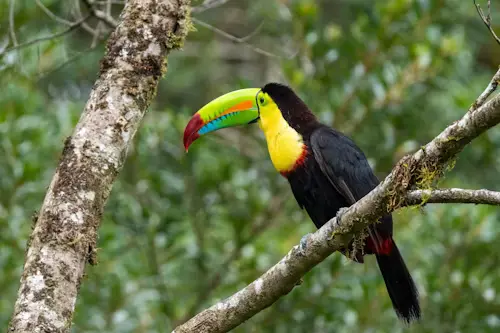
Many North American birds head to Central and South America for the winter. The journey can be incredibly long—for instance, the tiny ruby-throated hummingbird makes a non-stop 500-mile flight across the Gulf of Mexico.
Popular wintering grounds include:
- Mexico’s tropical forests
- Central American countries like Costa Rica and Panama
- The Amazon rainforest in South America
- The Caribbean islands
These destinations offer abundant food sources, warmer temperatures, and longer daylight hours—everything migrating birds need to survive until spring.
Local Migration
Not all birds undertake epic journeys. Many species simply move to more favorable local conditions:
- Altitude changes: Mountain birds may move to lower elevations
- Urban areas: Some birds move closer to cities where food is more abundant and heat from buildings provides warmth
- Coastal areas: Birds may move to coastal regions where temperatures are milder
- Southern states: Many northern birds simply move to the southern United States
Non-Migratory Strategies
Perhaps most surprising to many people is that some birds don’t migrate at all. Instead, they’ve developed remarkable adaptations to survive winter in their original habitats. We’ll explore these survival strategies in detail in the following sections.
Winter Survival Strategies: How Birds Adapt to Cold Weather
While migration is the most well-known winter survival strategy, many birds choose to stay put and face the winter head-on. These resident birds have evolved incredible adaptations that allow them to thrive in freezing conditions.
Physical Adaptations for Winter Survival
Birds have several remarkable physical adaptations that help them survive winter:
- Feather insulation: Birds grow extra down feathers in the fall, creating a layer of insulation that can keep them warm even in sub-zero temperatures
- Counter-current heat exchange: Their legs and feet have a special blood vessel arrangement that prevents heat loss
- Metabolic changes: Many birds can lower their body temperature slightly at night to conserve energy
- Food storage: Species like chickadees and nuthatches cache food during warmer months to ensure winter supplies
Behavioral Adaptations
Beyond physical changes, birds also exhibit fascinating behavioral adaptations:
- Roosting in groups: Many small birds huddle together in tree cavities or dense vegetation to share body heat
- Seeking shelter: Birds will use natural cavities, dense shrubs, or even human structures for protection from wind and cold
- Changing diet: Some birds switch from insect-based diets to seeds and berries that are more readily available in winter
- Reducing activity: Many birds become less active during the coldest parts of the day to conserve energy
The Role of Bird Feeders and Bird Baths in Winter Survival
As temperatures drop and natural food sources become scarce, your backyard can become a crucial lifeline for local birds. Understanding how to support birds during winter through bird feeders, bird baths, and proper nutrition can make a significant difference in their survival.
Choosing the Right Bird Seed Mix for Winter
Not all bird seed mix is created equal, especially when it comes to winter nutrition. During colder months, birds need high-energy foods to maintain their body temperature and energy levels.
The best winter bird seed mixes should contain:
- Black oil sunflower seeds: High in fat and calories, these are a favorite among most bird species
- Safflower seeds: Another high-energy option that many birds love
- Peanuts: Excellent source of protein and fat
- Suet: Rendered animal fat that provides concentrated energy
- Millet: Good for ground-feeding birds like sparrows and juncos
When selecting a bird seed mix, avoid mixes with lots of filler seeds like red milo, which many birds won’t eat and will simply scatter on the ground.
Proper Bird Feeder Placement and Maintenance
Strategic placement of your bird feeders can significantly impact their effectiveness during winter:
- Shelter from wind: Place feeders near trees, shrubs, or buildings that can provide protection from winter winds
- Easy access: Make sure feeders are accessible but also safe from predators
- Multiple locations: Consider placing feeders in different areas to accommodate various bird species
- Regular cleaning: Clean feeders regularly to prevent the spread of disease
During heavy snowfall, you may need to clear snow from around your feeders to ensure birds can access them.
The Importance of Bird Baths in Winter
While it might seem counterintuitive, bird baths are actually crucial during winter months. Birds need access to water year-round for drinking and bathing, but natural water sources often freeze over.
Options for winter bird baths include:
- Heated bird baths: These prevent water from freezing and provide a reliable water source
- Daily maintenance: If you don’t have a heated bath, you can manually remove ice daily
- Shallow water: Birds prefer shallow water, so avoid deep baths that might be dangerous in icy conditions
- Safe placement: Ensure the bath is stable and won’t tip over when birds land on it
Supporting Pet Birds During Winter Months
If you’re a pet bird owner wondering where do birds go in the winter, the answer for your feathered companion is simple: they stay with you! However, this means you need to take extra precautions to ensure your pet bird’s health and comfort during the colder months.
Optimal Indoor Temperature for Pet Birds
Most pet birds are tropical or subtropical species that require warm, stable temperatures. During winter, maintaining the right environment is crucial for bird health.
Key temperature guidelines:
- Optimal range: 65-80°F (18-27°C) for most species
- Avoid drafts: Keep cages away from windows and doors that might let in cold air
- Consistent temperature: Avoid placing cages near heat sources that might cause temperature fluctuations
- Night temperatures: Don’t let temperatures drop below 60°F (15°C)
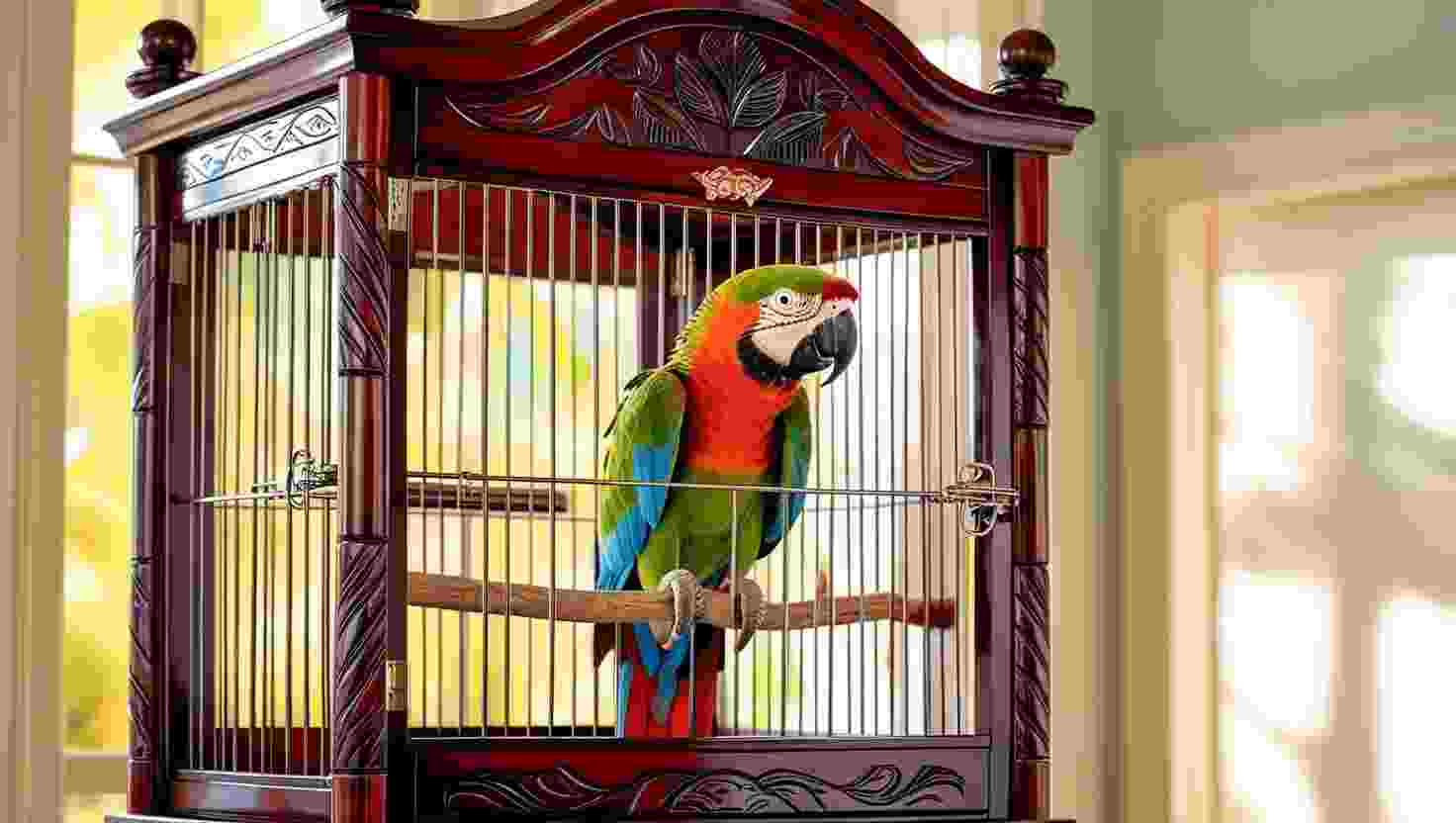
Bird Cages Online: Choosing the Right Winter Setup
When shopping for bird cages online, consider these winter-specific features:
- Size: Larger cages allow birds to exercise, which helps maintain body temperature
- Material: Metal cages are better than plastic, which can become brittle in cold temperatures
- Placement options: Look for cages that can be easily moved to warmer locations
- Cover compatibility: Ensure the cage can be properly covered at night for warmth
Enrichment for Winter: Parrot Toys and Parakeet Toys
Winter can be a challenging time for pet birds, as they may have less opportunity for outdoor time and natural stimulation. This is where parrot toys and parakeet toys become essential for mental and physical health.
Recommended winter enrichment includes:
- Foraging toys: Encourage natural behaviors and provide mental stimulation
- Chew toys: Help maintain beak health and provide entertainment
- Mirrors and bells: Provide visual and auditory stimulation
- Puzzle toys: Challenge your bird’s intelligence and prevent boredom
Rotate toys regularly to maintain your bird’s interest and engagement.
Bird Treats and Nutrition for Winter Health
Just as wild birds need high-energy foods during winter, pet birds also benefit from nutritional adjustments during the colder months. Providing appropriate bird treats and adjusting their diet can help maintain optimal bird health.
Winter-Specific Bird Nutrition
During winter, birds may need slightly more calories to maintain their body temperature. However, this doesn’t mean you should overfeed your pet bird.
Healthy winter nutrition includes:
- High-quality pellets: Continue providing a balanced base diet
- Fresh fruits and vegetables: Provide essential vitamins and hydration
- Healthy fats: Small amounts of nuts and seeds for extra energy
- Warm foods: Occasionally offering slightly warmed foods can be comforting
Safe Bird Treats for Winter
When choosing bird treats, look for options that provide both nutrition and enrichment:
- Millet sprays: A favorite treat that also provides beak exercise
- Dried fruit: Raisins, dried cranberries, and dried mango are popular choices
- Nut mixes: Small amounts of unsalted nuts provide healthy fats
- Seed treats: Special formulated treats that combine seeds with essential nutrients
Avoid treats with added sugars, salt, or artificial ingredients, as these can be harmful to birds.
Understanding Birds Winter Habits
Understanding birds winter habits can help you better support both wild and pet birds during the colder months. These behaviors are the result of millions of years of evolution and adaptation.
Changes in Daily Routines
During winter, birds often alter their daily routines to maximize survival:
- Later wake-up times: Many birds delay their morning activities until temperatures rise slightly
- Earlier bedtime: Birds may seek shelter earlier in the evening to conserve energy
- Increased feeding time: More time is spent foraging to build up energy reserves
- Reduced singing: Many birds sing less during winter to conserve energy
Social Behavior Changes
Winter often brings changes in social behavior among birds:
- Increased flocking: Many species form larger flocks for better foraging and predator detection
- Mixed-species flocks: Different bird species may forage together for increased safety
- Roosting together: Birds may share roosting sites to conserve heat
- Reduced territorial behavior: Many birds become less territorial during winter
How to Help Birds Survive Winter
Whether you’re supporting wild birds in your backyard or caring for pet birds indoors, there are numerous ways you can help birds survive and thrive during winter.
Creating a Winter Bird Sanctuary
Your backyard can become a crucial winter refuge for local birds. Here’s how to create an ideal winter habitat:
- Plant native species: Native plants provide natural food sources and shelter
- Leave seed heads: Allow flowers to go to seed rather than deadheading them
- Provide shelter: Plant dense shrubs and trees that offer protection from wind and predators
- Install nest boxes: Even in winter, birds may use nest boxes for roosting
- Maintain feeders: Keep feeders stocked with high-energy foods throughout winter
Winter Bird Care for Pet Owners
Caring for pet birds during winter requires extra attention to their environment and needs:
- Monitor temperature: Use a thermometer to ensure your bird’s environment stays within the optimal range
- Provide humidity: Winter air can be dry, which may affect your bird’s respiratory health
- Maintain lighting: Ensure your bird gets adequate light, especially during shorter winter days
- Regular health checks: Monitor your bird for signs of illness or stress
- Increased interaction: Birds may need more attention during winter months when they have less environmental stimulation
Common Misconceptions About Winter Birds
There are many misconceptions about where do birds go in the winter and how they survive. Let’s address some of the most common myths:
Myth 1: All Birds Migrate South
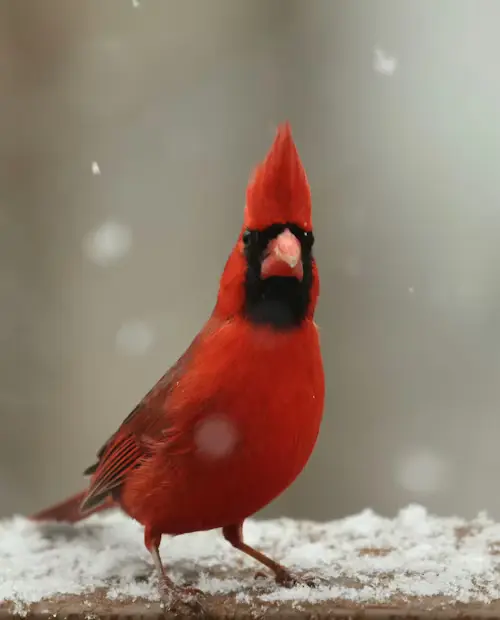
Contrary to popular belief, not all birds migrate. Many species, including cardinals, blue jays, chickadees, and woodpeckers, remain in their original territories year-round.
Myth 2: Birds Freeze to Death in Winter
While winter can be challenging for birds, they have numerous adaptations that make them remarkably resilient. Most birds that die during winter do so from starvation or predation, not from cold temperatures alone.
Myth 3: Feeding Birds Makes Them Dependent
Studies have shown that birds that use feeders are actually more likely to survive winter than those that don’t. Feeders supplement, rather than replace, natural food sources.
Myth 4: Pet Birds Don’t Need Special Winter Care
Many pet bird owners believe that keeping their bird indoors is enough, but indoor environments can still pose winter challenges. Temperature fluctuations, dry air, and reduced daylight can all affect pet bird health.
The Impact of Climate Change on Bird Migration
Understanding where do birds go in the winter is becoming increasingly complex due to climate change. Rising global temperatures are affecting bird migration patterns in several ways:
- Earlier migrations: Many birds are migrating earlier in the spring and later in the fall
- Shortened migrations: Some species are migrating shorter distances or not migrating at all
- Range shifts: Birds are establishing wintering grounds in areas that were previously too cold
- Timing mismatches: Birds may arrive at breeding grounds before their food sources are available
These changes can have cascading effects on ecosystems and may impact bird populations in the long term.
Winter Birdwatching: A Rewarding Hobby
While many people associate birdwatching with spring and summer, winter birdwatching can be incredibly rewarding. Here’s why:
- Less foliage: Bare trees make it easier to spot birds
- Concentrated activity: Birds often gather around reliable food sources, making them easier to observe
- Distinctive winter plumage: Some birds have different winter and summer appearances
- Peaceful atmosphere: Winter birdwatching offers a quiet, meditative experience
- Helping birds: Your observations can contribute to citizen science projects that help researchers understand winter bird populations
FAQ: Where Do Birds Go In The Winter
Do all birds migrate south for winter?
No, not all birds migrate. Many species remain in their original habitats year-round, relying on various adaptations to survive winter. Examples include cardinals, blue jays, chickadees, and many woodpecker species.
How do birds know when to migrate?
Birds use a combination of factors to determine when to migrate, including changes in daylight hours, temperature, food availability, and genetic programming. Hormonal changes triggered by these environmental cues prepare birds for migration.
What happens to birds that don’t migrate?
Non-migratory birds survive winter through various strategies, including growing extra feathers for insulation, storing food, seeking shelter in protected areas, and adjusting their diet and behavior to conserve energy.
Can I help migrating birds?
Yes, you can help migrating birds by providing food and water during migration periods, keeping windows clean to prevent collisions, reducing outdoor lighting that can disorient birds, and supporting conservation efforts that protect critical habitats.
Should I continue feeding birds in winter?
Yes, feeding birds in winter can be crucial for their survival, especially during harsh weather conditions. However, it’s important to provide high-quality food and maintain clean feeders to prevent disease.
How can I tell if a bird is struggling in winter?
Signs that a bird may be struggling include fluffed-up feathers (to conserve heat), lethargic behavior, difficulty flying, and visible weight loss. If you find an injured or sick bird, contact a local wildlife rehabilitator.
Conclusion: Supporting Birds Through Winter
The question of where do birds go in the winter reveals the incredible diversity and adaptability of these remarkable creatures. Whether they’re embarking on epic migrations spanning continents or facing winter head-on in their familiar territories, birds have evolved sophisticated strategies for survival.
As bird enthusiasts, pet owners, or simply caring individuals, we have the power to make a significant difference in birds’ winter survival. By providing appropriate food, water, shelter, and care, we can help both wild and pet birds not just survive, but thrive during the coldest months of the year.
For more information about bird care and behavior, explore our other resources at Magical Pet Bird, including our comprehensive guides on bird nutrition, bird behavior, and bird care.
Have questions about helping birds survive winter? Share your experiences and tips in the comments below, and don’t forget to follow us for more bird care advice and information!