Where to Buy Bird Food: Proven Best Happy Local Spots

If you’re reading this, chances are you’ve just welcomed a new feathered friend into your home—or you’re thinking about it. Maybe you’ve been staring at that shiny bird cage in the corner, wondering, “What kind of bird food should I buy?” Or perhaps you’ve been sprinkling seeds in your backyard, watching the local birds flock to your feeder, and asking yourself, “Where can I find better quality bird food?”
You’re not alone. Every day, thousands of bird lovers like you search for answers to the same question: where to buy bird food? Whether you’re shopping for a pet parrot’s gourmet meal or trying to attract goldfinches to your garden, finding the right bird food is crucial. The good news? You’ve come to the right place. This guide will walk you through everything you need to know about buying bird food—from local pet shops to online bird seed stores—and help you make the best choice for your birds and your budget.
Table of Contents
Why the Right Bird Food Matters
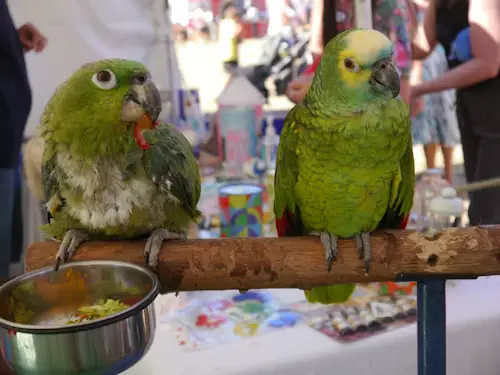
Before we dive into the “where,” let’s talk about the “why.” Birds are not just cute companions; they’re living creatures with specific dietary needs. A poor diet can lead to health problems, dull plumage, and even behavioral issues. On the other hand, a balanced, nutritious diet can keep your bird healthy, active, and happy.
For pet birds, the wrong food can be a silent killer. Many commercial bird foods are filled with seeds high in fat and low in essential nutrients. Over time, this can lead to obesity, liver disease, and vitamin deficiencies. Wild birds face similar challenges. Low-quality seed mixes often contain fillers like milo or cracked corn, which many birds ignore. This not only wastes your money but also attracts unwanted pests like squirrels and mice.
So, when you’re searching for where to buy bird food, you’re not just looking for a store—you’re looking for quality, variety, and value. Let’s explore your options.
Local Pet Shops: The Convenient Choice
When you’re new to bird ownership, the first place you’ll likely think of is your local pet shop. These stores are convenient, familiar, and often staffed with people who love animals. But are they the best option for local pet shops bird food?
The Pros of Shopping at Local Pet Shops
- Immediate Access: No waiting for shipping. You can buy bird food today and take it home tonight.
- Personal Assistance: Many pet shops have staff who can answer your questions and recommend products.
- Support Local Business: Shopping locally helps your community and economy.
- Variety: Larger pet stores often carry a range of brands, from basic seed mixes to premium pellets.
The Cons of Shopping at Local Pet Shops
- Higher Prices: Local stores often charge more than online retailers due to overhead costs.
- Limited Selection: Smaller shops may not carry specialty or niche products.
- Inconsistent Quality: Some stores may stock older inventory or lower-quality brands.
Tips for Shopping at Local Pet Shops
- Check Expiration Dates: Always look at the “best by” date to ensure freshness.
- Ask Questions: Don’t hesitate to ask staff about the ingredients, sourcing, and recommended usage.
- Compare Brands: Look for brands that are vet-recommended and free from artificial colors and preservatives.
- Buy in Moderation: Bird food can lose its nutritional value over time, so buy only what you’ll use within a few months.
If you’re looking for a reliable local option, consider visiting a store that specializes in birds. These shops often carry higher-quality products and have staff with specialized knowledge. You can find bird food retailers near me by searching online or asking for recommendations in local bird-enthusiast groups.
Online Bird Seed Stores: The World at Your Fingertips
If convenience and variety are your top priorities, online bird seed stores might be your best bet. The internet has revolutionized the way we shop for pet supplies, and bird food is no exception.
The Pros of Online Shopping
- Wide Selection: Online stores often carry a broader range of products than physical shops.
- Competitive Prices: Lower overhead costs mean better deals for you.
- Customer Reviews: Read real-world feedback from other bird owners before you buy.
- Home Delivery: Have your bird food delivered right to your door, often with free shipping on bulk orders.
- Subscription Options: Many online stores offer auto-ship programs, ensuring you never run out of food.
The Cons of Online Shopping
- Shipping Time: You’ll have to wait for your order to arrive.
- No Personal Interaction: You can’t ask questions or get immediate advice.
- Shipping Costs: While many stores offer free shipping, some may charge extra for heavy or bulky items.
Top Online Bird Seed Stores to Consider
Magical Pet Bird
Our very own online store offers a curated selection of high-quality bird foods, including options for specific species like cockatiels. We focus on nutrition, taste, and variety, ensuring your bird gets the best.Amazon
With thousands of options and customer reviews, Amazon is a go-to for many bird owners. Look for brands with high ratings and detailed ingredient lists.Chewy
Known for pet supplies, Chewy offers a wide range of bird foods, from seeds to pellets to treats. Their autoship feature can save you up to 20% on recurring orders.BirdSupplies.com
This specialty store focuses exclusively on bird products. They offer everything from food to toys to cages, and their customer service is highly rated.
Tips for Shopping Online
- Read Reviews: Look for patterns in customer feedback. Are there complaints about quality, shipping, or customer service?
- Check Return Policies: Make sure you can return or exchange products if they don’t meet your expectations.
- Compare Prices: Use price comparison tools or check multiple stores to find the best deal.
- Look for Coupons: Many online stores offer discount codes or loyalty programs.
Buy Wild Bird Feed Stores: Feeding the Feathered Friends Outside
If you’re passionate about wild birds, you’ll want to explore buy wild bird feed stores. These specialized shops cater to birdwatchers and nature lovers, offering high-quality food designed to attract specific species.
Why Choose a Wild Bird Feed Store?
- Species-Specific Blends: These stores often carry blends tailored to attract certain birds, like finches, cardinals, or woodpeckers.
- No Fillers: Unlike generic seed mixes, wild bird feed from specialty stores is free from unwanted fillers.
- Expert Advice: Staff are often birdwatchers themselves and can offer tips on feeding, birdhouses, and more.
- Eco-Friendly Options: Many stores offer organic, non-GMO, and locally sourced products.
What to Look for in Wild Bird Feed
- Black Oil Sunflower Seeds: A favorite of many bird species, these seeds are high in fat and easy to crack open.
- Nyjer Seed: Also known as thistle seed, this is a favorite of goldfinches and other small birds.
- Suet: A high-energy food made from animal fat, suet is perfect for woodpeckers and other insect-eating birds.
- Peanuts: Unsalted, shelled peanuts are a hit with jays, chickadees, and titmice.
- Mealworms: Dried or live mealworms are excellent for attracting insect-eating birds.
How to Choose the Right Feed for Your Area
Different birds are attracted to different foods. Research the species common in your area and choose feeds that will appeal to them. For example:
- Hummingbirds: Nectar feeders with sugar water.
- ** Orioles**: Orange halves and jelly feeders.
- ** Cardinals**: Sunflower seeds and safflower seeds.
- ** Sparrows**: Millet and cracked corn.
You can find buy wild bird feed stores in most cities and towns. Use online directories or ask for recommendations in local birdwatching groups. If you’re interested in attracting birds with fruit, check out our guide on birds that eat oranges.
Supermarkets and Big-Box Stores: The Budget-Friendly Option
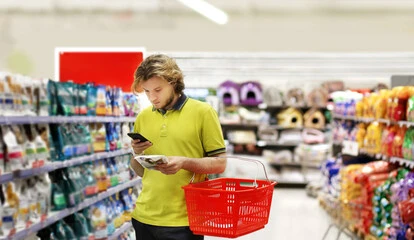
Let’s not forget about supermarkets and big-box stores like Walmart, Target, and Tractor Supply. These retailers often carry bird food, making them a convenient and affordable option.
The Pros of Shopping at Supermarkets and Big-Box Stores
- Low Prices: These stores often offer the cheapest bird food options.
- Convenience: You can pick up bird food while doing your regular grocery shopping.
- Bulk Options: Many stores sell large bags of seed at discounted prices.
The Cons of Shopping at Supermarkets and Big-Box Stores
- Lower Quality: The food may contain more fillers and fewer premium ingredients.
- Limited Variety: You may not find specialty or species-specific blends.
- Older Inventory: High turnover means older stock, which can affect freshness.
Tips for Shopping at Supermarkets and Big-Box Stores
- Read the Label: Look for products with simple, recognizable ingredients.
- Avoid Fillers: Steer clear of mixes with large amounts of milo, cracked corn, or wheat.
- Buy in Bulk: If you have storage space, buying in bulk can save money in the long run.
- Check for Sales: These stores often have weekly or monthly sales on pet supplies.
Farm and Feed Stores: The Hidden Gem
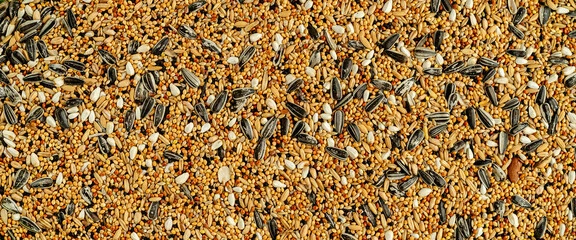
If you live in a rural area or near a farming community, don’t overlook farm and feed stores. These shops are often overlooked by bird owners, but they can be a goldmine for affordable, high-quality bird food.
Why Farm and Feed Stores?
- Low Prices: These stores often sell food in bulk at wholesale prices.
- High Quality: Many carry feeds used by farmers and poultry owners, which are often more nutritious than commercial bird food.
- Variety: You’ll find everything from scratch grains to cracked corn to sunflower seeds.
What to Look for at Farm and Feed Stores
- Chicken Scratch: A mix of grains and seeds that’s perfect for wild birds.
- Cracked Corn: Attracts ground-feeding birds like doves and sparrows.
- Sunflower Seeds: Look for black oil sunflower seeds, which are a favorite of many birds.
- Millet: Both red and white millet are popular with small birds.
Tips for Shopping at Farm and Feed Stores
- Ask for Advice: Staff are often knowledgeable about animal feeds and can recommend products.
- Check for Additives: Make sure the food doesn’t contain medications or additives not suitable for birds.
- Store Properly: Buy only what you can store in a cool, dry place to maintain freshness.
Growing Your Own Bird Food: The Ultimate DIY Project
If you’re a true bird enthusiast, consider growing your own bird food. This option requires time and effort, but it’s incredibly rewarding and cost-effective in the long run.
Why Grow Your Own Bird Food?
- Freshness: Homegrown food is fresher and more nutritious than store-bought options.
- Cost-Effective: Once you’ve planted your garden, the food is essentially free.
- Eco-Friendly: You’ll reduce packaging waste and your carbon footprint.
- Educational: It’s a great way to teach kids about nature and sustainability.
Easy-to-Grow Bird Food Plants
- Sunflowers: These tall, cheerful plants produce seeds that are a favorite of many birds.
- Millet: A fast-growing grain that’s easy to harvest and store.
- Nyjer: Also known as thistle, this plant produces tiny seeds that finches love.
- Safflower: A drought-resistant plant with seeds that cardinals and chickadees enjoy.
- Corn: While not a primary food for most wild birds, corn can attract a variety of species.
How to Start a Bird Food Garden
- Choose the Right Location: Most bird food plants need full sun and well-drained soil.
- Prepare the Soil: Remove weeds and add compost to enrich the soil.
- Plant Seeds: Follow the instructions on the seed packet for spacing and depth.
- Water Regularly: Keep the soil moist until the plants are established.
- Harvest and Store: Once the plants have matured, harvest the seeds and store them in a cool, dry place.
For more tips on growing your own bird food, check out our comprehensive guide on bird food gardening.
Comparing Bird Food Options: A Side-by-Side Analysis
To help you make an informed decision, here’s a comparison of the different places where you can where to buy bird food:
| Option | Price | Quality | Convenience | Variety | Best For |
|---|---|---|---|---|---|
| Local Pet Shops | Medium | High | High | Medium | New bird owners, immediate needs |
| Online Bird Seed Stores | Low | High | Medium | High | Savvy shoppers, specialty items |
| Wild Bird Feed Stores | Medium | Very High | Medium | High | Birdwatchers, specific species |
| Supermarkets | Low | Low | High | Low | Budget-conscious shoppers |
| Farm and Feed Stores | Low | Medium | Low | Medium | Rural residents, bulk buyers |
| Homegrown | Very Low | Very High | Low | Low | DIY enthusiasts, long-term savings |
Frequently Asked Questions ‘Where to Buy Bird Food’
1. Where can I find bird food retailers near me?
You can find bird food retailers near me by searching online, asking for recommendations in local bird-enthusiast groups, or using store locators on the websites of major pet food brands.
2. Is online bird seed cheaper than store-bought?
In most cases, yes. Online stores often offer lower prices due to reduced overhead costs. Additionally, you can easily compare prices and read reviews to find the best deal.
3. What should I look for in wild bird feed?
Look for high-quality ingredients like black oil sunflower seeds, Nyjer seed, and suet. Avoid mixes with fillers like milo or cracked corn, which many birds ignore.
4. Can I feed my pet bird wild bird seed?
While occasional treats of wild bird seed are generally safe, it’s best to feed your pet bird a diet specifically formulated for their species. Wild bird seed is often higher in fat and lower in essential nutrients.
5. How should I store bird food?
Store bird food in a cool, dry place in an airtight container. This helps maintain freshness and prevents contamination from pests.
6. How often should I buy new bird food?
Buy only what you’ll use within a few months. Over time, bird food can lose its nutritional value and become less palatable.
Conclusion: Finding the Best Place to Buy Bird Food
So, where to buy bird food? The answer depends on your needs, budget, and preferences. If you value convenience and immediate access, local pet shops and supermarkets are great options. If you’re looking for variety and competitive prices, online bird seed stores are your best bet. For wild bird enthusiasts, specialty wild bird feed stores offer high-quality, species-specific blends. And if you’re up for a challenge, growing your own bird food is the ultimate DIY project.
Have a favorite bird food retailer or tip for fellow bird owners? Share your thoughts in the comments below—we’d love to hear from you!