Amazon Parrot for Sale: Ultimate Guide to Happy Birds

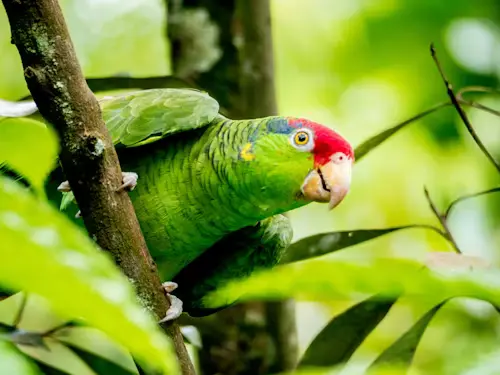
There’s something truly magical about the moment a parrot locks its eyes with yours—a connection that transcends species. Perhaps you’ve been scrolling through “amazon parrot for sale” listings, captivated by their vibrant feathers and charismatic personalities. Maybe you’ve visited a friend’s home and been enchanted by an Amazon’s playful antics or soulful conversations. Whatever has drawn you to these magnificent birds, you’ve come to the right place. In this comprehensive guide, we’ll walk you through every aspect of welcoming an Amazon parrot into your life, from finding the right bird to providing exceptional care for decades to come.
Table of Contents
The Fascinating World of Amazon Parrots

Amazon parrots belong to the genus Amazona, comprising approximately 30 species native to the Americas, ranging from South America to Mexico and the Caribbean Islands. These medium to large-sized parrots are renowned for their striking colors, intelligence, and captivating personalities. When you bring home an Amazon parrot, you’re not just getting a pet—you’re gaining a companion with the intelligence of a 5-year-old child who will live for several decades.
What makes Amazon parrots particularly special is their complex social nature in the wild. They form strong bonds with their mates and flock members, communicating through a variety of vocalizations and body language. This innate social drive is what makes them such interactive companions in our homes. As you consider bringing an Amazon parrot into your life, it’s essential to understand that these birds are not merely decorative pets—they’re intelligent, emotional beings that require significant mental stimulation and social interaction.
Different Amazon species display unique characteristics:
- Double Yellow-headed Amazons are known for their exceptional talking ability
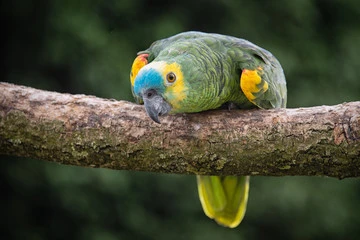
- Blue-fronted Amazons are particularly gentle and affectionate
- Yellow-naped Amazons are often described as the “clowns” of the parrot world
- Red-lored Amazons are beautiful and often more independent
For a detailed look at the various Amazon species, visit our guide on types of Amazon parrots.
Where to Find Amazon Parrots for Sale
When you’re searching for “amazon parrot for,” multiple avenues are available, each with its own advantages and considerations. The key is finding a healthy, well-socialized bird from a reputable source.
Reputable Breeders
Specialized breeders often raise hand-fed Amazon parrots that are well-socialized from an early age. A good breeder will:
- Allow you to visit their facility
- Provide health guarantees
- Have extensive knowledge about the species they breed
- Socialize their birds properly
- Offer ongoing support after purchase
When visiting a breeder, observe the cleanliness of the facility, the condition of the birds, and how comfortable the birds appear with human interaction. A reputable breeder will prioritize the health and well-being of their birds over profit.
Specialized Pet Stores
Some high-end pet stores specialize in exotic birds, including Amazon parrots. These establishments often employ knowledgeable staff who can provide guidance. However, not all pet stores equal in quality—look for:
- Clean, spacious environments for the birds
- Knowledgeable staff who can answer your questions
- A variety of species to choose from
- Transparent information about the birds’ origins and history
For specialized retailers focusing on quality Amazon parrots, you might explore exotic parrot pet stores that specialize in healthy, well-cared-for birds.
Online Marketplaces
While online platforms can offer convenience, they come with risks. If considering purchasing an Amazon parrot online:
- Only purchase from sellers with extensive positive reviews
- Request detailed videos of the bird before committing
- Verify health documentation
- Understand their shipping policies and guarantees
- Be wary of prices that seem too good to be true
Adoption and Rescue Organizations
Adoption is a wonderful alternative to purchasing, especially if you’re open to adult birds or those with special needs. Many Amazon parrots end up in rescues due to the realization that owning a parrot requires a long-term commitment. Adoption organizations:
- Screen potential adopters carefully
- Have a thorough understanding of each bird’s personality and needs
- Often provide ongoing support
- Charge significantly less than breeders
Amazon Parrot Price Guide
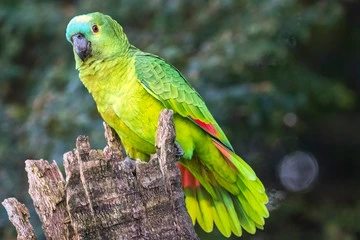
When exploring “amazon parrot for sale,” you’ll notice significant price variations between different species. Understanding these differences can help you make an informed decision that fits your budget while still ensuring you get a healthy, well-socialized companion.
Price Ranges by Species
| Amazon Species | Average Price Range | Notable Features |
|---|---|---|
| Yellow-headed Amazon | $1,500 – $3,500 | Exceptional talking ability, vibrant coloration |
| Double Yellow-headed Amazon | $2,000 – $4,000 | Outstanding mimics, need experienced handling |
| Yellow-naped Amazon | $1,200 – $3,000 | Playful personality, good talkers |
| Blue-fronted Amazon | $800 – $1,800 | Gentle nature, affectionate companions |
| Red-lored Amazon | $700 – $1,500 | Beautiful coloring, often more independent |
| Mealy Amazon | $600 – $1,300 | Larger size, calm temperament |
| White-fronted Amazon | $400 – $900 | Smaller size, charming personality |
Several factors influence these prices beyond just the species:
Factors Affecting Price
Age: Baby parrots (weaned but still young) typically cost more than adult birds. However, adults may have established personalities that might be a better match for your household.
Source and Breeding Quality: Parrots from exclusive breeders with documented lineage command higher prices. These birds often come with health guarantees and extensive socialization.
Color Mutations: Naturally occurring color mutations (like lutino or pied) are rarer and therefore more expensive than standard color varieties.
Talking Ability: Some parrots develop exceptional talking skills, which can increase their value significantly, particularly among species known for their vocal abilities.
Hand-Rearing History: Birds that were hand-fed from a young age and extensively socialized typically cost more but often adjust better to life in a human home.
Geographic Location: Prices may vary depending on your location due to transportation costs and local demand.
Additional Costs to Consider
Beyond the initial “amazon parrot for sale” price, several ongoing expenses come with parrot ownership:
- Cage and Setup: A suitable cage for an Amazon parrot costs $300-$1,000, with stands and accessories adding $100-$500 more.
- Initial Veterinary Exam: $150-$300 for the first health check.
- Annual Veterinary Care: $200-$500 for regular check-ups and potential treatments.
- High-Quality Diet: $40-$80 per month for pellets, fresh foods, and supplements.
- Enrichment Items: $50-$200 monthly for toys, perches, and foraging opportunities.
- Training Resources: Books, courses, or professional training services as needed.
The total first-year cost of bringing an Amazon parrot home can range from $2,500 to $7,000 or more, with subsequent years costing between $1,000 and $3,000 annually.
Creating the Perfect Home for Your New Companion
Once you’ve found the perfect Amazon parrot through “amazon parrot for sale” listings, preparing your home is the next crucial step. These intelligent, active birds need environments that stimulate their minds and support their physical well-being.
Cage Requirements and Setup
Amazon parrots are medium to large birds that require substantial living space. The general rule is to provide the largest cage that safely fits in your home and your budget.
Minimum Cage Size Guidelines:
- For smaller Amazon species (like White-fronted): 24″ wide × 24″ deep × 36″ high
- For medium species (like Red-lored): 30″ wide × 30″ deep × 48″ high
- For larger species (like Yellow-headed): 36″ wide × 36″ deep × 60″ high
Cage Features to Prioritize:
- Bar spacing of ¾ to 1 inch to prevent escape or injury
- Non-toxic powder-coated or stainless steel construction
- Multiple perches of varying diameters to prevent foot problems
- Stainless steel or wrought iron, which are safe if chewed
- Easy-to-clean design with removable tray and grates
Proper Placement:
- Place the cage in an area of high household activity but away from direct sunlight, drafts, and kitchen fumes
- Position at eye level or slightly above to prevent dominance issues
- Ensure adequate space around the cage for moving and playing
Essential Supplies and Accessories
Beyond the cage itself, you’ll need several critical items:
Perches: Include 2-3 perches of varying diameters (½” to 1½”) inside the cage. Natural branches are excellent choices as they help maintain foot health.
Food and Water Dishes: Stainless steel or ceramic bowls that attach to the cage sides work well. Amazon parrots are intelligent and may learn to slide off bowls that sit on the cage floor.
Food: Start with the diet the bird is already accustomed to, then gradually transition to a nutritionally complete pellet-based diet supplemented with fresh fruits and vegetables.
Toys: Amazon parrots are highly intelligent and need mental stimulation. Include:
- Foraging toys that hide treats
- Puzzle toys that challenge problem-solving skills
- Chew toys made from safe wood materials
- Interactive toys for human-bonding activities
- Rotate toys weekly to maintain interest
Grooming Supplies:
- Bird-safe misting bottle or shower perch for bathing
- Nail clippers or styptic powder for occasional nail trims
- Mineral block or cuttlebone for beak maintenance
Transport Carrier: A sturdy, secure carrier for veterinary visits and travel.
Safety Considerations
Amazon parrots are curious by nature, which can sometimes lead to dangerous situations. Before bringing your bird home, thoroughly bird-proof your living space:
- Remove or cover toxic plants like ivy, oleander, and philodendron
- Ensure no non-stick cookware is used, as heated coatings release fumes toxic to birds
- Cover or remove access to windows and mirrors to prevent collision injuries
- Keep unsupervised access to other pets, especially cats, to zero
- Secure electrical cords or cover them with protective tubing
- Remove or elevate access to toxic substances like cleaning chemicals, medications, and alcohol
For more detailed information about creating the perfect environment for your bird species, visit our comprehensive bird care guide.
Amazon Parrot Diet
Proper nutrition is one of the most critical aspects of keeping your Amazon parrot healthy and vibrant. A balanced diet not only supports physical health but also affects feather quality, behavior, and longevity.
Recommended Diet Composition
A healthy Amazon parrot diet should consist of:
High-Quality Pellets (50-60% of diet):
- Choose formulated diets specifically designed for medium to large parrots
- Look for species-specific formulations when available
- Pellets should make up the majority of the diet to ensure complete nutrition
- Examples: Harrison’s, TOPS, Roudybush, Zupreem
Fresh Vegetables (20-30% of diet):
- Dark leafy greens: kale, spinach, romaine lettuce, dandelion greens
- Colorful vegetables: bell peppers, carrots, broccoli, sweet potato
- Other veggies: corn, peas, beans, zucchini
- Vegetables should be offered raw and chopped into manageable pieces
Fruits (5-10% of diet):
- Apples (without seeds)
- Berries (strawberries, blueberries, raspberries)
- Citrus fruits (oranges, grapefruit)
- Tropical fruits (mango, papaya)
- Pomegranate
- Fruits contain natural sugars and should be limited to prevent obesity
Healthy Proteins and Fats (5-10% of diet):
- Cooked lean meats (chicken, turkey)
- Hard-boiled eggs
- Nuts (almonds, walnuts, pecans in moderation)
- Legumes (beans, lentils)
Feeding Schedule and Portion Control
Amazon parrots typically eat twice daily:
- Morning: Fresh pellets and vegetables
- Evening: A smaller portion of pellets and a small amount of fruit
The general guideline for portion sizes is:
- ½ to ¾ cup of pellets daily
- ½ to 1 cup of chopped vegetables daily
- 1-2 tablespoons of fruit daily
- 1-2 protein sources 2-3 times weekly
Adjust portions based on your bird’s weight and activity level. Overfeeding can lead to obesity, a common health issue in Amazon parrots kept as pets.
Foods to Avoid
Certain foods can be toxic or harmful to Amazon parrots:
AVOID COMPLETELY:
- Chocolate
- Avocado
- Caffeine
- Alcohol
- Salt
- Sugar
- Apple seeds
- Fruit pits (from cherries, peaches, apricots)
- Onions and garlic
- Mushrooms
- High-fat human foods
LIMIT SIGNIFICANTLY:
- Dairy products (birds are lactose intolerant)
- Processed foods
- Fried foods
- Seeds (as they are nutritionally incomplete and high in fat)
Special Dietary Considerations
- Some Amazon species are prone to vitamin A deficiency, ensuring adequate orange and yellow vegetables in their diet
- Birds that are less active may need portion control to prevent obesity
- Birds with specific health conditions may require dietary modifications under veterinary guidance
- Always provide fresh, clean water changed daily in a clean container
For personalized dietary advice, consult with an avian veterinarian who can recommend specific formulations based on your Amazon parrot’s species, age, and health status.
Understanding Amazon Parrot Personality
Amazon parrots are renowned for their complex personalities, which combine intelligence, playfulness, and sometimes a touch of stubbornness. Understanding your bird’s personality traits will help you form a stronger bond and provide appropriate stimulation.
General Personality Traits
Amazon parrots, as a group, are known for:
High Intelligence: They rank among the most intelligent parrot species, capable of problem-solving, learning words and phrases, and understanding cause-and-effect relationships.
Vocal Nature: Most Amazon species are known for their loud calls, which they use to communicate in the wild. While they can learn human speech, they will naturally vocalize throughout the day.
Playful Demeanor: These birds enjoy interactive play and often invent games with their human companions.
Strong Opinions: Amazon parrots develop preferences about toys, foods, and even the people they like to interact with.
Dramatic Flair: Many Amazon parrots have theatrical personalities and enjoy being the center of attention.
Moodiness: Especially during breeding season (typically spring), hormonal changes can cause personality shifts.
Species-Specific Personality Differences
While generalizations can’t apply to every individual, certain Amazon species have characteristic personality traits:
Yellow-headed and Double Yellow-headed Amazons:
- Known for exceptional talking ability
- Can be more independent than other species
- May become one-person birds if not properly socialized
- Require experienced handling due to their strong personalities
Yellow-naped Amazons:
- Often described as “clowns” for their playful antics
- Tend to bond strongly with their primary caretaker
- May become aggressive during breeding season
- Excellent mimics with clear speech patterns
Blue-fronted Amazons:
- Generally gentler and less demanding than other species
- Known for their affectionate nature
- Tend to adapt well to family environments
- May be more inclined to interact with multiple family members
Red-lored Amazons:
- Often more independent than other Amazon species
- Beautiful vocalizations but may not be as prolific talkers
- Generally calm disposition
- May be more content entertaining themselves
White-fronted Amazons:
- Smaller size but equally big personalities
- Playful and curious
- Often good with children
- May be more adaptable to apartment living
For more detailed information on which parrot species talk the most, check out our guide on which parrots talk.
Social Needs and Bonding
Amazon parrots are flock animals in the wild and form strong social bonds. In captivity, they will bond strongly with their human companions, often viewing them as their mate. This bonding behavior influences their daily lives:
Quality Time: Daily interaction is essential, preferably in sessions of at least 1-2 hours, which can include talking, training, and playtime outside the cage.
Training Sessions: Short, frequent training sessions (5-15 minutes) multiple times a day help establish your role as the leader while satisfying their need for mental stimulation.
Respect Boundaries: Despite their affectionate nature, Amazon parrots need their personal space. Respecting their boundaries helps prevent territorial behaviors.
Consistency: Establish and maintain consistent routines for feeding, interaction, and training to provide a sense of security.
Socialization: Expose your parrot to new people, experiences, and situations gradually to build their confidence and adaptability.
The personality of your Amazon parrot will evolve over time as you build trust and establish communication. While each bird is an individual, understanding general species traits helps set appropriate expectations for your relationship.
Amazon Parrot Training
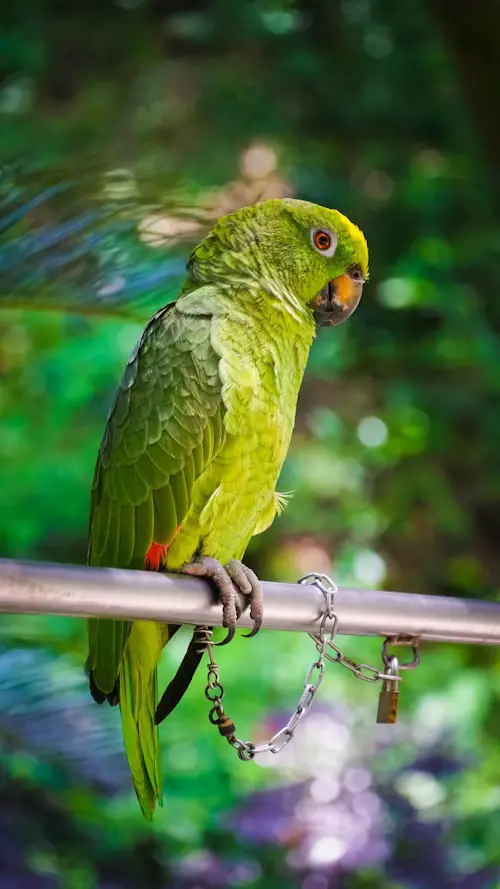
Training is one of the most rewarding aspects of owning an Amazon parrot. These intelligent birds thrive when given mental challenges and positively reinforced for good behaviors. Proper training not only teaches tricks and commands but also strengthens the bond between you and your bird.
Basic Commands and Tricks
Start with fundamental training that establishes your role as the leader while building your bird’s confidence:
Step-Up Command:
- This is the most essential training for any parrot owner
- Offer your forearm or finger slightly lower than a perch
- Use a cheerful “step-up” while applying gentle pressure on the bird’s lower abdomen
- Reward immediately with praise or a treat when the bird steps up
- Practice for 5-10 minutes, 2-3 times daily until it becomes automatic
Target Training:
- Train your bird to touch a target stick (like a chopstick) with its beak
- Once the bird touches the target, reward immediately
- Gradually move the target to different positions
- This skill later helps with more complex training
Turn Around:
- Use a treat to guide your bird in a circle
- Say “turn around” as you guide the movement
- Reward when the circle is complete
- Gradually reduce the guidance until the bird performs the command with just the verbal cue
Wave:
- Train your bird to raise one foot on command
- Gently lift one foot while saying “wave”
- Reward when the foot is raised
- With practice, the bird will raise its foot with just the verbal cue
Positive Reinforcement Methods
Amazon parrots respond best to positive reinforcement. These methods focus on rewarding desired behaviors rather than punishing undesired ones:
Treat-Based Training:
- Use small, healthy treats your bird loves (pieces of nut, favorite fruit)
- Only reward immediately after the desired behavior
- Use treats during initial training, then gradually reduce frequency
- Verbal praise alone can be sufficient once behaviors are established
Clicker Training:
- Use a clicker to mark the exact moment the bird performs the desired behavior
- The click becomes a conditioned reinforcer that predicts a reward
- Click, then immediately follow with a treat or praise
- Effective for shaping complex behaviors through successive approximations
Environmental Rewards:
- Give the bird what it wants as a reward
- Examples: extended playtime, favorite toy, head scratch
- Particularly effective for establishing leadership and building trust
Addressing Behavioral Issues
Amazon parrots sometimes develop challenging behaviors that require patient, consistent training:
Excessive Screaming:
- Identify and address the root cause (boredom, attention-seeking, discomfort)
- Never reward screaming with attention
- Train alternative behaviors like “quiet” on command
- Provide adequate mental stimulation and social interaction
- Reward quiet periods with attention and treats
Biting:
- Understand that biting is communication, not malice
- Learn to read your bird’s body language to prevent bites
- If a bite occurs, remain calm and remove attention briefly
- Reward gentle beak handling and calm interactions
- Never punish biting with physical force
Feather Plucking:
- Rule out medical causes first with a veterinary check-up
- Address potential stressors in the environment
- Increase enrichment activities
- Provide proper nutrition and humidity
- Consider behavioral modification techniques under professional guidance
Building Trust with Your Parrot
Trust is the foundation of any successful human-parrot relationship:
Respect Your Bird’s Comfort Zone: Allow the bird to approach you rather than forcing interaction.
Be Patient: Building trust takes time and consistent positive interactions.
Establish Routine: Birds feel secure with predictable daily schedules.
Use Calm Body Language: Move slowly around your bird and avoid direct eye contact initially, which can be perceived as threatening.
** Speak Softly**: Amazon parrots respond well to gentle voices and tones.
Training should always be a positive experience for both you and your bird. Keep sessions short, fun, and rewarding. If either of you becomes frustrated, take a break and try again later.
Amazon Parrot Behavior
Understanding normal Amazon parrot behavior helps you recognize when something might be amiss. These birds express themselves through vocalizations, body language, and actions that, once interpreted correctly, provide insight into their needs and emotions.
Normal vs. Concerning Behaviors
Normal Behaviors:
- Morning and evening vocalization
- Chewing on perches and toys
- Preening feather maintenance
- Occasional wing flapping
- Regurgitation (as a sign of affection)
- Playing with or manipulating food
- Sleeping with one foot up
- Head bobbing (often indicates excitement or anticipation)
Potentially Concerning Behaviors:
- Excessive feather plucking
- Sudden, unexplained aggression
- Constant screaming without apparent cause
- Changes in eating or drinking habits
- Lethargy or decreased activity
- Labored breathing
- Changes in droppings (color, consistency, frequency)
- Sitting with fluffed feathers for extended periods
Common Behavioral Challenges
Amazon parrots sometimes develop behaviors that challenge their owners:
Aggression During Breeding Season:
- Hormonal changes can cause increased territoriality and defensiveness
- Reduce protein and increase carbohydrates in the diet
- Limit petting to head and neck areas only
- Respect when the bird doesn’t want to be handled
- Consult with an avian vet for additional guidance if needed
Cage Aggression:
- Some birds become protective of their personal space
- Use target sticks to interact without entering the cage
- Train the bird to come out on command
- Leave cage door open more often to reduce territoriality
Destructive Chewing:
- Amazon parrots naturally chew to maintain their beaks
- Provide plenty of appropriate chew toys
- Use deterrents for furniture (bitter apple spray)
- Rotate toys to maintain interest
- Ensure adequate exercise to reduce boredom
Attention-Seeking Behaviors:
- Parrots quickly learn which behaviors get your attention
- Ignore attention-seeking negative behaviors
- Reward calm, quiet moments with attention
- Provide ample enrichment so the bird can entertain itself
Environmental Enrichment
Boredom is a common cause of behavioral issues in Amazon parrots. Environmental enrichment keeps their minds active and prevents problem behaviors:
Foraging Opportunities:
- Hide food in paper cups or boxes
- Use puzzle feeders that require problem-solving to access food
- Wrap treats in paper for the bird to unwrap
- Create foraging boxes with various items to explore
Novelty and Variety:
- Rotate toys weekly to maintain interest
- Introduce new perches with different textures
- Occasionally rearrange cage items
- Provide access to safe outdoor time (supervised and in appropriate weather)
Social Stimulation:
- Allow supervised interaction with well-behaved family pets
- Position the cage where the bird can observe household activities
- Use TV or radio for background noise when alone
- Teach tricks that require mental focus
Physical Exercise:
- Provide opportunities for flight in a safe, supervised area
- Install play stands outside the cage
- Teach games that encourage physical activity
- Use training sessions that combine mental and physical challenges
When to Seek Professional Help
Some behavioral issues require professional intervention:
Sudden Behavioral Changes: May indicate pain or illness and warrant immediate veterinary attention.
Persistent Aggression: An avian behaviorist can help address ongoing aggression issues.
Feather Destructive Behaviors: A combination of veterinary and behavioral consultation is often needed.
Excessive Screaming: A behavior specialist can help identify and address the root causes.
Decreased Interaction: If your bird suddenly shows reduced interest in interaction, consult with an avian vet.
Inappropriate Elimination: Changes in dropping habits may indicate medical or behavioral issues.
Understanding your Amazon parrot’s behavior requires patience and observation. Each bird has its unique personality and communication style. By learning to read their signals and responding appropriately, you’ll develop a deeper, more rewarding relationship that can last for decades.
The Long-Term Commitment of Amazon Parrot Ownership
When you bring home an Amazon parrot, you’re making a commitment that could span several decades. Understanding the lifespan and long-term needs of these birds is essential before bringing one home.
Average Lifespan by Species
Amazon parrots are among the longer-lived parrot species, with lifespans significantly influenced by diet, care, and environment:
| Amazon Species | Average Captivity Lifespan | Recorded Maximum Lifespan |
|---|---|---|
| Yellow-headed Amazon | 40-60 years | 80+ years |
| Double Yellow-headed Amazon | 50-70 years | 90+ years |
| Yellow-naped Amazon | 40-60 years | 80+ years |
| Blue-fronted Amazon | 40-60 years | 70+ years |
| Red-lored Amazon | 40-50 years | 60+ years |
| Mealy Amazon | 40-60 years | 80+ years |
| White-fronted Amazon | 30-40 years | 50+ years |
These impressive lifespans mean that when you purchase an adult Amazon parrot, you could potentially be caring for it longer than your children might live in your home. Even younger birds require commitment that extends far beyond typical pet ownership.
Factors Affecting Lifespan
Several key factors influence how long your Amazon parrot might live:
Quality of Nutrition:
- A balanced diet rich in variety and appropriate for the species
- Limited access to unhealthy treats and table scraps
- Fresh water available at all times
- Regular monitoring of weight and body condition
Veterinary Care:
- Annual wellness examinations with an avian veterinarian
- Prompt attention to health concerns
- Regular beak, nail, and feather trims as needed
- Vaccinations and parasite prevention as recommended
Mental and Physical Stimulation:
- Daily interaction and playtime outside the cage
- Regular opportunities for mental challenges
- Adequate space for exercise
- Social interaction with human family members
Environment Quality:
- Clean, appropriately sized cage
- Proper humidity levels
Protection from temperature extremes - Protection from household hazards and toxins
- Quiet sleep area away from disturbances
Genetics:
- Species with inherently longer lifespans
- Birds from healthy breeding stock without genetic predispositions to illness
How to Ensure a Long, Healthy Life
Taking proactive steps throughout your parrot’s life can help maximize its health and longevity:
Early Years (0-5 years):
- Establish healthy dietary habits
- Begin regular veterinary check-ups
- Provide extensive socialization and training
- Introduce a variety of appropriate toys and activities
Middle Years (5-20 years):
- Monitor for signs of middle-age weight gain
- Adjust diet portions as activity levels may decrease
- Continue regular veterinary care and health screenings
- Maintain consistent social interaction and mental stimulation
Senior Years (20+ years):
- Increase veterinary monitoring to twice annually
- Adjust diet for potential age-related changes
- Provide softer, easier-to-eat foods if needed
- Make accommodations for potential mobility issues
- Maintain social engagement despite possible sensory changes
Preparing for the Long-Term Commitment
Owning an Amazon parrot is akin to having a child that never grows up and lives for decades. Preparing for this responsibility involves:
Financial Planning:
- Budget for initial costs ($2,500-$7,000+)
- Plan for annual expenses ($1,000-$3,000+)
- Prepare for unexpected veterinary emergencies ($500-$2,000+)
- Consider potential specialty care for geriatric issues
Home Preparation:
- Ensure your living situation allows for a large, potentially noisy bird
- Make arrangements for pet care if you travel or pass away
- Prepare your home to be bird-safe for decades
- Consider how other pets might interact with the bird long-term
Life Planning:
- Designate someone who would care for your bird if you became unable
- Include provisions for your bird in your will
- Consider how major life changes (moving, having children) might impact your bird
- Plan for your bird’s retirement with you
The decision to bring an Amazon parrot into your life should never be taken lightly. These magnificent birds offer unparalleled companionship and intelligence, but they require commitment unlike most other pets. By preparing for decades of care, you ensure your feathered companion will enjoy a long, healthy life as a cherished member of your family.
Amazon Parrot Adoption: A Rewarding Alternative
When exploring “amazon parrot for sale” options, adoption presents a compelling alternative that benefits both birds and potential owners. Hundreds of Amazon parrots of various species end up in rescue organizations each year due to changes in their owners’ circumstances, lack of understanding about the commitment required, or simply because the initial novelty wore off.
Benefits of Adoption
Choosing adoption over purchasing offers numerous advantages:
Saving a Life: Adoption directly rescues a bird that might otherwise live in inadequate conditions or be euthanized.
Known Personality: Adult birds in rescue typically have established personalities, allowing you to select a bird whose temperament matches your lifestyle.
Cost Savings: Adoption fees are significantly lower than breeder prices, typically ranging from $100-$500 compared to $700-$4,000 for purchased birds.
Health Guarantee: Reputable rescues provide health records and often have birds seen by avian veterinarians before adoption.
Support and Resources: Rescue organizations typically offer ongoing support and guidance for new adopters.
No Supporting Problematic Practices: Adoption doesn’t contribute to potential unethical breeding practices common in some commercial settings.
What to Expect When Adopting
The adoption process differs significantly from purchasing a bird:
Application Process:
- Most rescues require completion of detailed applications
- References may be requested, including your avian veterinarian
- Home visits might be conducted to ensure appropriate environment
- Personal interviews help match you with suitable birds
Assessment Period:
- Some rescues offer trial periods to ensure compatibility
- You’ll typically spend time with the bird before finalizing adoption
- Behavior assessments help identify any special needs or challenges
Adoption Fees:
- Fees vary by organization and bird but are typically lower than purchase prices
- Often include veterinary care received while at the rescue
- May include starter supplies like food or toys
Finding Rescue Organizations
Rescuing an Amazon parrot requires knowing where to look:
Online Resources:
- Parrot adoption websites like Avian Rescue and Adoption Network
- Social media groups dedicated to parrot adoption
- Local Facebook groups for bird enthusiasts in your area
- Websites like Petfinder.com and Adoptapet.com with bird filters
Local Resources:
- Avian veterinarians often know about birds needing homes
- Local bird clubs may have adoption programs
- Zoos or wildlife centers sometimes receive birds they can’t place
- Humane societies with exotic animal departments
Rescue Organizations:
- Mickaboo Companion Bird Rescue
- Phoenix Landing Academy
- Northeast Avian Rescue
- Foster Parrots Ltd.
- Local and regional organizations specific to your geographic area
The Adoption Process
Bringing home an adopted Amazon parrot requires patience and understanding:
Initial Adjustment Period:
- Allow 2-4 weeks for the bird to adjust to its new environment
- Establish consistent routines for feeding and care
- Give the bird space and don’t force interaction
- Speak calmly and move slowly around the new environment
Building Trust:
- Let the bird initiate contact
- Use positive reinforcement for desired behaviors
- Respect the bird’s boundaries
- Be patient—trust takes time to develop
Addressing Potential Issues:
- Many rescued birds have experienced trauma or neglect
- Consult with an avian behaviorist for challenging cases
- Work with the rescue organization for specific guidance
- Consider professional training for established behavioral problems
Successful Adoption Stories
Consider the stories of those who have found their companions through adoption:
Susan adopted a 10-year-old Yellow-named Amazon named Mango who had been returned to rescue twice. With patience and consistent training, Mango became a beloved family companion who entertains everyone with his extensive vocabulary and playful antics.
Mark and Jessica adopted a pair of Blue-fronted Amazons that had been surrendered when their elderly owner could no longer care for them. The birds had always lived together and enriched each other’s lives while providing the couple with double the joy and entertainment.
Jasmine, a college student with limited space, adopted a White-fronted Amazon from a local rescue. While the bird was initially shy, with daily interaction and appropriate enrichment, he became a confident, engaging companion that thrived in her apartment setting.
Adopting an Amazon parrot can be an incredibly rewarding experience that saves a life while gaining a remarkable companion. While the journey may require additional patience compared to bringing home a baby bird, the bond formed with a rescued parrot is uniquely special.
Frequently Asked Questions About Amazon Parrots for Sale
As you explore the world of Amazon parrot ownership, many questions naturally arise. This FAQ section addresses common concerns and curiosities about finding, purchasing, and caring for Amazon parrots.
General Questions
Q: Where can I find Amazon parrots for sale?
A: You can find Amazon parrots through specialized breeders, reputable pet stores with avian departments, adoption organizations, and occasionally online platforms. Always prioritize finding healthy, well-socialized birds from ethical sources.
Q: How much does an Amazon parrot cost?
A: Amazon parrot prices vary by species, age, and source. Expect to pay $400-$4,000, with common species like Blue-fronted Amazons costing $800-$1,800, while rarer species like Double Yellow-headed Amazons typically range from $2,000-$4,000.
Care and Management Questions
Q: What size cage does an Amazon parrot need?
A: Minimum cage dimensions should be 30″ wide × 30″ deep × 48″ high for medium-sized Amazons, with larger species requiring cages of 36″ wide × 36″ deep × 60″ high or larger. Bar spacing should be ¾” to 1″ to prevent escape or injury.
Q: What do Amazon parrots eat?
A: A balanced diet includes 50-60% high-quality pellets, 20-30% fresh vegetables, 5-10% fruits, and 5-10% proteins and healthy fats. Avoid avocado, chocolate, caffeine, and other toxic foods.
Behavior and Training Questions
Q: Do Amazon parrots make good pets for beginners?
A: Amazon parrots aren’t typically ideal for first-time bird owners due to their size, strength, intelligence, and specific care requirements. They’re better suited to individuals with some parrot experience who understand the commitment involved.
Q: Are Amazon parrots good talkers?
A: Many Amazon species, particularly Yellow-headed, Double Yellow-headed, and Yellow-naped Amazons, are excellent talkers with clear voices and impressive vocabularies. Their talking ability varies by individual, with some becoming prolific speakers while others prefer vocalizing in their natural calls.
Adoption vs. Purchase Questions
Q: Should I adopt or buy an Amazon parrot?
A: Both options have merits. Adoption offers the opportunity to save a life and provides birds with known personalities at lower cost. Purchasing from a reputable breeder ensures birds are hand-raised and well-socialized from a young age. Consider your experience level, preferences for age and known history, and ethical stance when deciding.
Q: What should I look for when visiting a breeder?
A: A reputable breeder should provide a clean, healthy environment where birds have adequate space, nutrition, and socialization. They should welcome your questions, offer health guarantees, welcome visits to their facility, and show genuine concern for the birds’ well-being over profit.
Health Concerns
Q: What are common health problems in Amazon parrots?
A: Amazon parrots may be prone to nutritional disorders (vitamin A deficiency, calcium imbalances), respiratory infections, feather-destructive behaviors, obesity, and age-related conditions like arthritis or liver disease. Regular veterinary care and proper nutrition help prevent many issues.
Q: Do Amazon parrots need companions?
A: While Amazon parrots can be kept as single birds with adequate human interaction, some benefit from having a same-species companion. However, introducing a second bird requires careful management and may not be compatible with all individuals or household situations.
Conclusion: Embarking on Your Amazon Parrot Journey
As we conclude this comprehensive guide to finding and caring for Amazon parrots, let’s revisit the most important considerations for prospective owners:
First, the decision to bring an Amazon parrot into your life represents a commitment that could span several decades. These magnificent birds offer unparalleled companionship, intelligence, and personality, but they require dedication unlike most other pets. Before finalizing your “amazon parrot for sale” search, honestly assess your ability to provide proper housing, nutrition, veterinary care, and meaningful social interaction for potentially 50-70 years.