Kakadu Parrot Care: Happy Ultimate Tips for Lifespan & Personality

Introduction
Have you ever been captivated by the sight of a majestic white bird with a crest that it can raise and lower at will? If you live in or have visited Australia, chances are you’ve encountered these magnificent creatures. Perhaps you’ve even considered bringing one into your home as a companion. The kakadu parrot, commonly known as the cockatoo, is more than just a beautiful bird—it’s a complex, intelligent, and deeply emotional being that can become an integral part of your family if understood and cared for properly.
Table of Contents
The Fascinating World of Kakadu Parrots

What Are Kakadu Parrots?
When we refer to kakadu parrots, we’re talking about cockatoos that are native to the Kakadu National Park region of Australia, part of the broader family Cacatuidae. These birds belong to the superfamily Cacatuoidea and are distinct from other cockatoo parrot species in several ways.
Cockatoo parrots are known for their striking crests, curved beaks, and feet that are zygodactyl—meaning they have two toes facing forward and two facing backward. This adaptation gives them exceptional grasping abilities, allowing them to manipulate objects with remarkable dexterity.
In the wild, these birds live in flocks and form strong bonds with their mates and flock members. This social nature is one of the reasons they make such engaging pets, but it also means they require significant social interaction to thrive in captivity.
The Diversity of Cockatoo Species
There are 21 recognized species of cockatoos, each with its unique characteristics. Let’s explore some of the most popular ones:
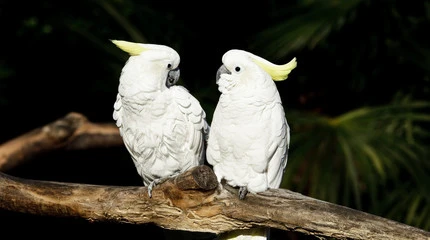
Sulphur-crested Cockatoo: These are perhaps the most recognizable with their bright yellow crests and white plumage. They are highly intelligent and known for their problem-solving abilities.
Galah (Rose-breasted Cockatoo): These stunning birds have pink and gray plumage with a lighter crest. They are known for their playful nature and can be quite comical in their behavior.
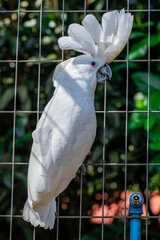
Umbrella Cockatoo: Named for their large, umbrella-like crest, these predominantly white cockatoos are known for their affectionate nature and loud calls.
Black Cockatoos: Including species like the Red-tailed Black Cockatoo, these birds are characterized by their dark plumage with colorful accents on their tails or cheeks.
Bare-eyed Cockatoo (Little Corella): These cockatoos have distinctive blue rings around their eyes and are known for their adaptability and social nature.
Each species presents unique challenges and rewards for potential owners, making it essential to research thoroughly before bringing one into your home.
Understanding Cockatoo Personality and Behavior
The Social Nature of Cockatoos
Cockatoos are incredibly social birds that form strong bonds with their human companions. In the wild, they live in large flocks and maintain close relationships with their mates and family members. This inherent social need translates beautifully into domestic settings, where they often become deeply attached to their owners.
They are very loving and enjoy hanging out when in the mood. However, they chew on everything. We call them flying rats, lovingly of course. – Shared by many cockatoo owners
When you bring a cockatoo for sale, you’re not just getting a pet; you’re gaining a companion that will crave your attention and affection. This need for social interaction is why cockatoos are often referred to as “velcro birds”—they want to be with you as much as possible.
Common Behavioral Traits
Understanding typical cockatoo behavior is crucial for a harmonious relationship:
Vocalization: Cockatoos are known for their loud calls, which serve various purposes from flock communication to expressing excitement or distress. While some species are quieter than others, all will make noise to some degree.
Feather Picking: Unfortunately, this is a common issue among captive cockatoos and often stems from boredom, stress, or lack of social interaction. Proper care and enrichment can help prevent this behavior.
Demanding Attention: Cockatoos can become quite demanding of attention, sometimes resorting to screaming if they feel ignored. This cockatoo behavior requires consistent, gentle training to manage.
Playfulness: These birds are incredibly playful and require plenty of mental stimulation. They enjoy puzzles, foraging activities, and interactive toys.
Affectionate Displays: From head bobbing to wing flapping and cuddling, cockatoos have numerous ways of showing affection to their favorite humans.
Reading Your Cockatoo’s Body Language
Learning to interpret your cockatoo’s body language will help you understand its emotions and needs better:
- Raised Crest: Indicates excitement, agitation, or curiosity
- Flattened Crest: Suggests calmness, relaxation, or contentment
- Pinned Eyes: The pupils constrict rapidly, often indicating excitement or aggression
- Wing Flapping: Can be a sign of joy, exercise, or a request for attention
- Beak Grinding: Typically indicates comfort and relaxation, similar to purring in cats
For those interested in famous cockatoos with unique personalities, you might follow Tango Cockatoo on Instagram, where he shares adventures and showcases the delightful personality of these birds.
Providing Optimal Cockatoo Care

Creating the Perfect Environment
When you welcome a cockatoo into your home, providing the right environment is crucial for its health and happiness:
Spacious Cage: Cockatoos are active birds that need room to move. The cage should be large enough for your bird to fully extend its wings and climb comfortably. A minimum size for a medium cockatoo would be 36″ wide x 24″ deep x 48″ high.
Perches: Provide a variety of perches with different diameters to help keep your bird’s feet healthy. Natural branches make excellent perches and provide enrichment as birds can chew on them.
Toys and Enrichment: Cockatoos are intelligent birds that require mental stimulation. Rotate toys regularly to prevent boredom. Include foraging toys, puzzle feeders, and destructible items like untreated wood blocks.
Safe Out-of-Cage Time: Your cockatoo needs several hours daily outside its cage in a safe, supervised environment. Cock-proof this area by removing toxic plants, electrical cords, and other hazards.
Proper Lighting: Full-spectrum lighting helps maintain your bird’s physical health and regulates its natural rhythms.
Essential Daily Care Routine
Establishing a consistent care routine helps ensure your cockatoo’s wellbeing:
- Morning: Check food and water, offer fresh fruits and vegetables
- Mid-day: Provide out-of-cage time, interactive play, and training
- Evening: Final feeding, cage cleanup, and bedtime routine
For more detailed information about general bird care, you might find our comprehensive parakeet care guide helpful, as many principles apply to cockatoos as well.
The Science of Proper Cockatoo Diet
Understanding Nutritional Requirements
A balanced diet is essential for your cockatoo’s health and longevity. In the wild, cockatoos consume a varied diet of seeds, nuts, fruits, flowers, and insects. Captive diets should aim to replicate this diversity while meeting their specific nutritional needs.
The foundation of your cockatoo’s diet should be a high-quality pellet formulated specifically for cockatoos. Pellets provide balanced nutrition in a form that reduces the risk of selective eating. Seeds can be offered in moderation as treats but shouldn’t form the basis of the diet.
Recommended Diet Composition
Here’s a breakdown of a healthy cockatoo diet:
| Food Category | Percentage of Diet | Recommended Examples |
|---|---|---|
| Formulated Pellets | 50-60% | High-quality cockatoo-specific pellets |
| Vegetables | 20-30% | Leafy greens, carrots, bell peppers, sweet potatoes |
| Fruits | 10-15% | Berries, apples, melons (moderately due to sugar) |
| Proteins | 5-10% | Cooked eggs, legumes, occasional lean meats |
| Treats | 5% | Nuts (unsalted), seeds, healthy human foods |
Foods to avoid:
- Chocolate
- Avocado
- Caffeine
- Alcohol
- High-salt foods
- High-fat foods
- Fruit seeds (like apple seeds)
Establishing Healthy Eating Habits
Cockatoos are prone to obesity, so monitoring their food intake is important:
- Measure portions rather than filling food bowls to the brim
- Remove fresh foods after a few hours to prevent spoilage
- Offer most fruits and vegetables in the morning when birds are typically most active
- Use food puzzles and foraging toys to encourage natural feeding behaviors
Cockatoo Training and Socialization
Starting Training Early
Training is an essential aspect of cockatoo ownership. These intelligent birds thrive when given structure and mental challenges. The best time to start training is when you first bring your bird home, but older birds can learn new behaviors with patience and consistency.
Positive reinforcement is the most effective training method for cockatoos:
- Use treats, praise, and attention to reward desired behaviors
- Keep training sessions short (5-10 minutes) and frequent
- End sessions on a positive note
- Never punish your cockatoo physically or verbally
Basic Training Commands
Every cockatoo should learn these fundamental commands:
- Step Up: The most important command for handling your bird safely
- Step Down: Teaching your bird to return to its cage or playstand
- Stay: Useful for controlling your bird during vet visits or outings
- Come When Called: Builds recall skills and strengthens your bond
- No: Teaching this command helps establish boundaries
For more detailed training techniques, including how to teach your cockatoo to talk, check out our comprehensive guide to parrot training.
Addressing Behavioral Challenges
Cockatoos may develop behavioral issues if their needs aren’t met properly. Here are some common problems and solutions:
- Excessive Screaming: Identify triggers (boredom, hunger, seeking attention) and address them. Teach quiet behavior and reward it.
- Biting: This is often a sign of fear or frustration. Learn to read your bird’s body language and respect its boundaries.
- Feather plucking: A serious issue requiring veterinary consultation. Can stem from medical problems, stress, or boredom.
- Aggression during Breeding Season: Hormonal changes can cause aggression. Managing your bird’s environment and diet can help.
The Good, Bad, and Ugly About Having a Cockatoo Reddit discussion offers honest insights from real cockatoo owners about both the joys and challenges of living with these birds.
Understanding Cockatoo Lifespan and Health
The Remarkable Longevity of Cockatoos
One of the most significant considerations when bringing a cockatoo into your home is its lifespan. These birds are among the longest-lived companion animals, with potential lifespans that can span decades:
- Average Lifespan: 20-40 years in the wild
- Captive Lifespan: Often 40-70 years, sometimes even longer
This longevity means that adopting a cockatoo is a commitment that could potentially last your entire lifetime or even span generations. Before bringing one home, consider:
- Who will care for your bird if you can no longer do so?
- How will you accommodate your bird in your life plans (moving, having children, career changes)?
- Have you made financial provisions for decades of veterinary care, food, and supplies?
Common Health Issues
Regular veterinary check-ups (at least annually) are essential for maintaining your cockatoo’s health. Some common health issues to watch for include:
- Nutritional Disorders: Including obesity and vitamin deficiencies
- Feather Plucking: Often behavioral but sometimes indicating medical issues
- Beak and Feather Disease: A viral infection affecting many parrot species
- Respiratory Infections: Often caused by poor air quality
- Liver Disease: Frequently linked to high-fat diets
Signs of a Healthy Cockatoo
A healthy cockatoo will display:
- Bright, clear eyes with no discharge
- Clean, well-groomed feathers (though molting is normal)
- Good appetite and regular droppings
- Active and alert behavior
- Normal breathing without tail bobbing or wheezing
Finding and Selecting Your Perfect Cockatoo
Where to Find a Cockatoo
When you’re ready to add a cockatoo to your family, you have several options:
- Reputable Breeders: Look for breeders who prioritize socialization and proper care of young birds
- Rescue Organizations: Many cockatoos need homes due to changing circumstances of their previous owners
- Pet Stores: While convenient, ensure the store sources from ethical breeders and provides proper care
What to Look for in a Healthy Cockatoo
When selecting your cockatoo, observe:
- Bright eyes with no discharge
- Clean, smooth feathers
- Active and alert behavior
- Good physical condition (not overweight or underweight)
- Responsive to handling (depending on age and socialization)
Considerations Before Purchase
Before bringing home a cockatoo, honestly assess:
- Your time commitment (daily interaction, cleaning, training)
- Financial resources (proper diet, veterinary care, toys, cage)
- Living situation (space, noise tolerance, household members)
- Experience level with large parrots
Frequently Asked Questions About Kakadu Parrots
What is a kakadu parrot specifically?
A kakadu parrot refers to cockatoos native to the Kakadu National Park region of Australia. The term is often used to describe cockatoos found in that specific habitat, though it’s sometimes more broadly applied to various Australian cockatoo species. The most commonly referred to kakadu parrot species include the Sulphur-crested Cockatoo, Galah, and various Black Cockatoo species found in the area.
Are cockatoos good pets for first-time bird owners?
While cockatoos can make wonderful companions, they generally aren’t recommended for first-time bird owners. Their complex care requirements, long lifespan, and need for extensive social interaction make them better suited for experienced bird enthusiasts who understand the commitment required. If you’re new to bird ownership, consider starting with a smaller, less demanding species before progressing to cockatoos.
How much do cockatoos cost?
The cost of a cockatoo for sale varies depending on the species, age, rarity, and whether it was hand-raised. You might expect to pay anywhere from $500 to several thousand dollars for a cockatoo. However, the initial cost is just the beginning—you’ll also need to budget for a proper cage, quality food, toys, veterinary care, and other supplies, which can easily run into thousands of dollars annually.
How can I tell if my cockatoo is sick?
Changes in your cockatoo’s behavior, appearance, or habits can indicate health issues. Watch for:
- Changes in droppings (color, consistency, frequency)
- Decreased appetite or water intake
- Lethargy or changes in activity level
- Changes in feather condition (beyond normal molting)
- Sneezing, wheezing, or difficulty breathing
- Weight loss or gain
- Any swelling or abnormal growths
If you notice any of these signs, consult an avian veterinarian promptly.
Can cockatoos be left alone during the day?
Cockatoos are social birds that shouldn’t be left alone for extended periods. Ideally, they should have at least 2-3 hours of direct interaction with their owners daily. If you work long hours, consider having another person interact with your bird or providing plenty of toys and enrichment activities for when you’re not home. However, no substitute exists for direct human companionship.
Do cockatoos require specialized veterinary care?
Yes, cockatoos need veterinarians who specialize in avian medicine. Regular check-ups (at least annually) are essential, as birds naturally hide signs of illness. Find an avian vet before you need one, as they can be difficult to locate in some areas and emergency situations may arise.
How can I prevent my cockatoo from becoming bored?
Boredom is a serious concern for cockatoos and can lead to behavioral issues and feather plucking. To prevent boredom:
- Provide a variety of toys and rotate them regularly
- Implement foraging opportunities that mimic natural feeding behaviors
- Spend quality time training and interacting daily
- Consider having another bird companion (if appropriate for your situation)
- Allow supervised out-of-cage time in a stimulating environment
Conclusion: The Lifelong Journey with a Kakadu Parrot
Bringing a kakadu parrot into your life is one of the most rewarding experiences you can have as an avian enthusiast. These intelligent, affectionate birds will fill your days with joy, laughter, and unparalleled companionship. However, they also require a significant commitment of time, energy, and resources.
Share Your Story! Do you have a kakadu parrot at home? We’d love to hear about your experiences, photos, and stories in the comments below! And if you found this guide helpful, please share it with fellow bird lovers who might benefit from these insights.